Last updated November 21, 2026
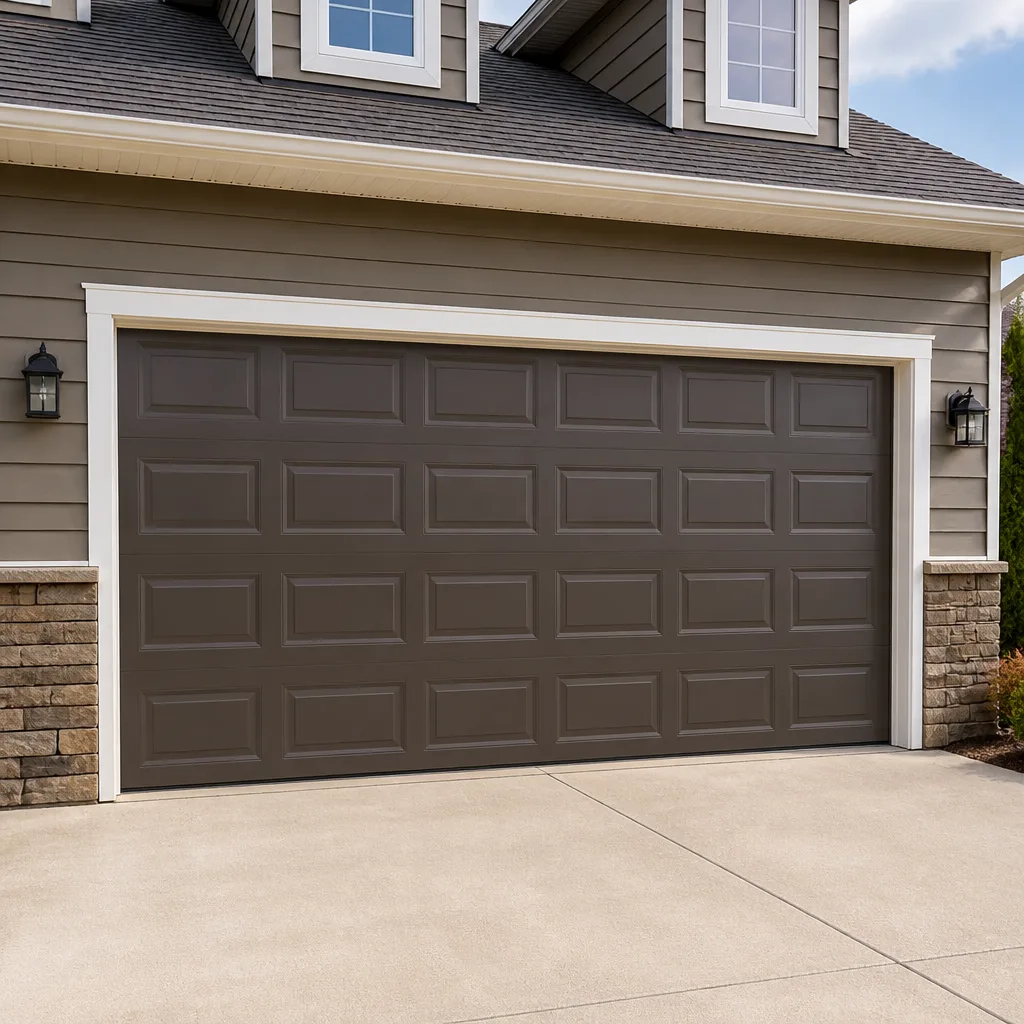 Raised-panel steel
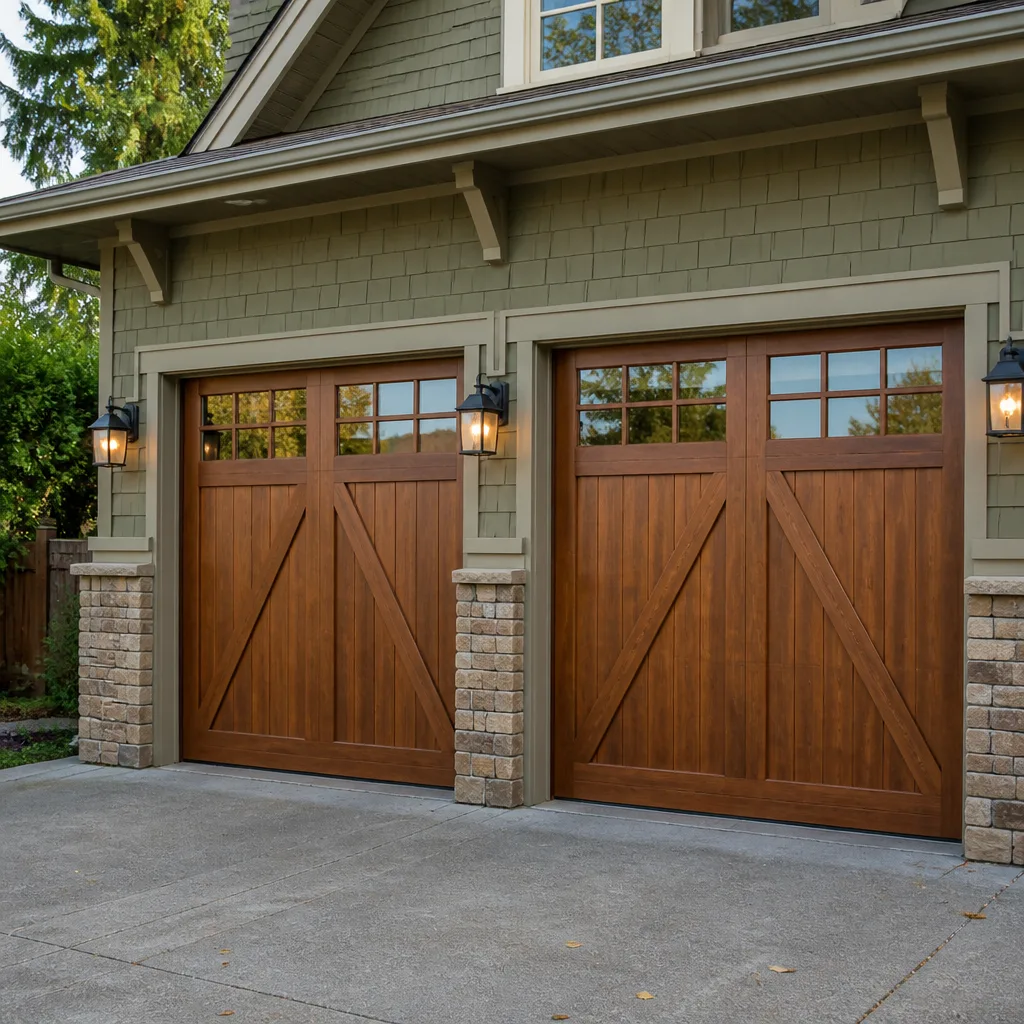 Carriage house
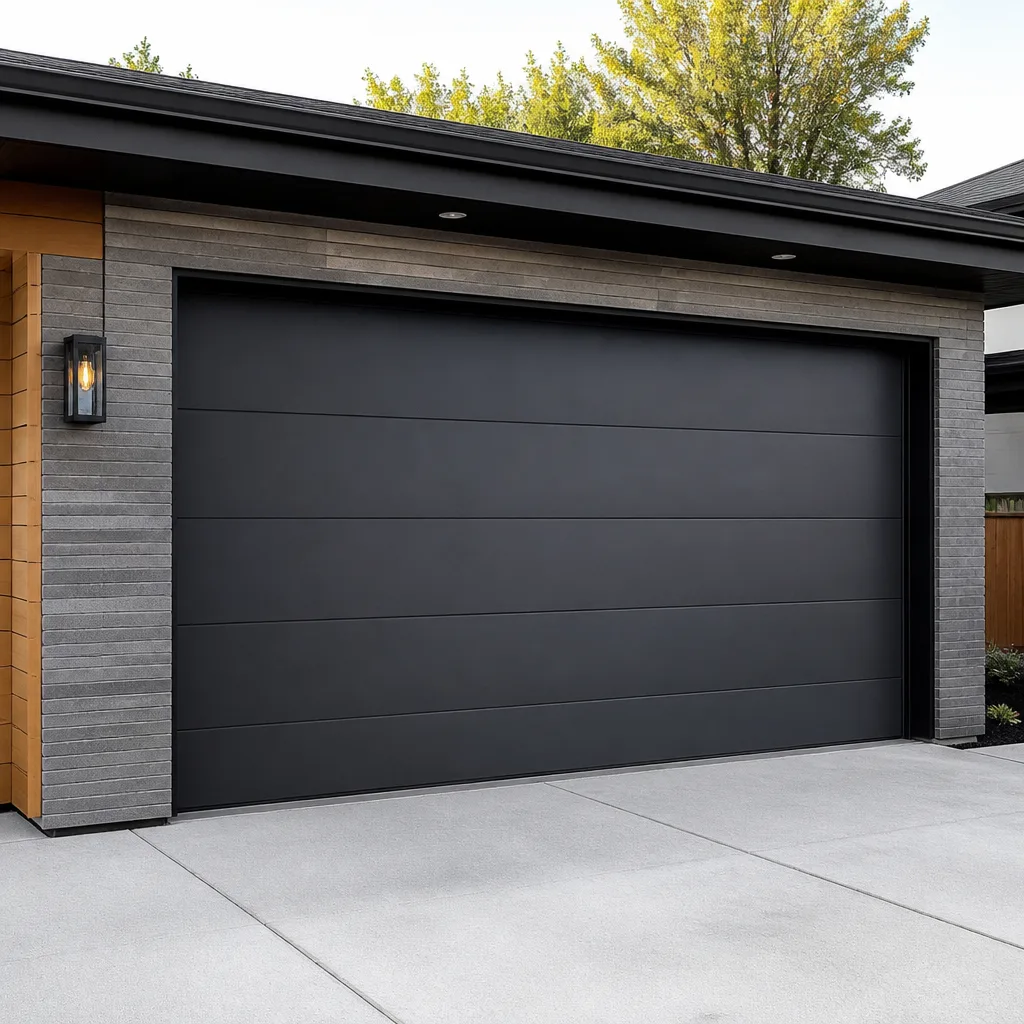 Modern flush
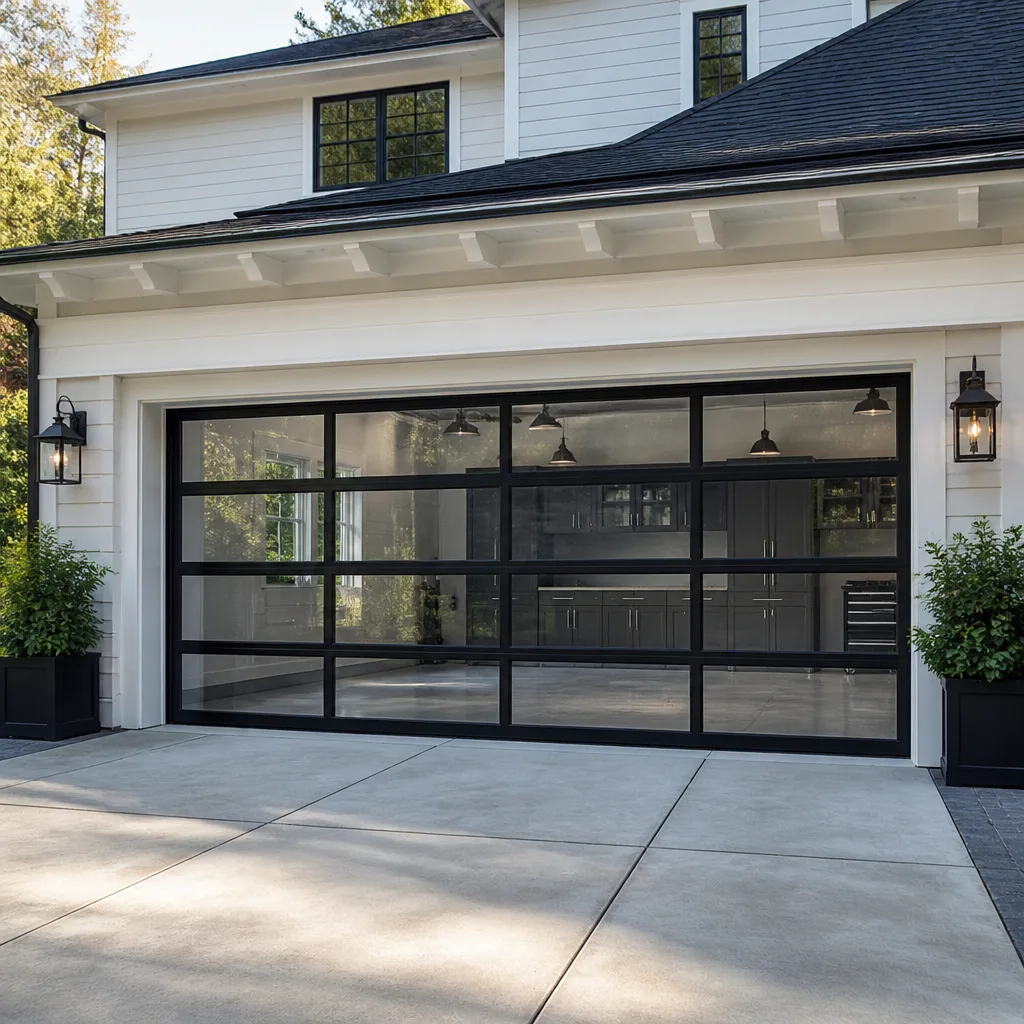 Full-view glass
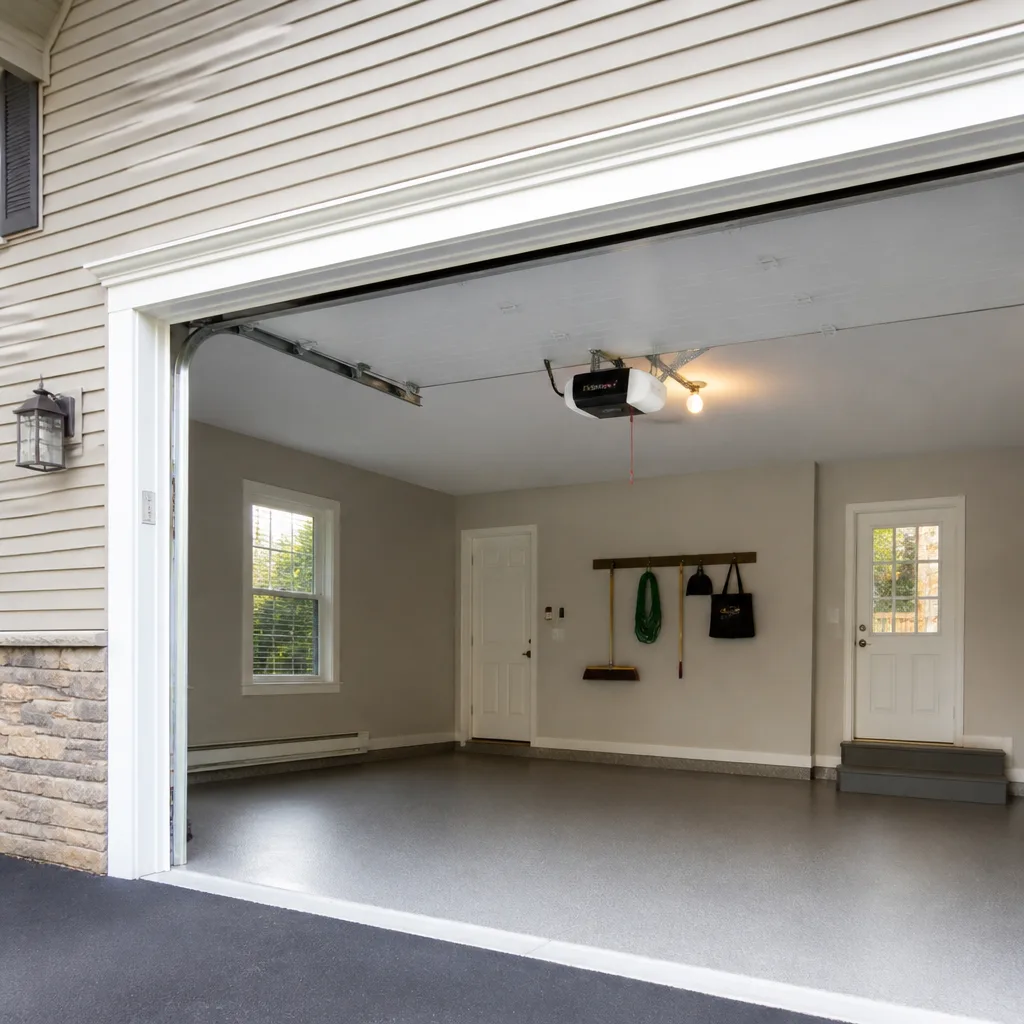 LiftMaster openers
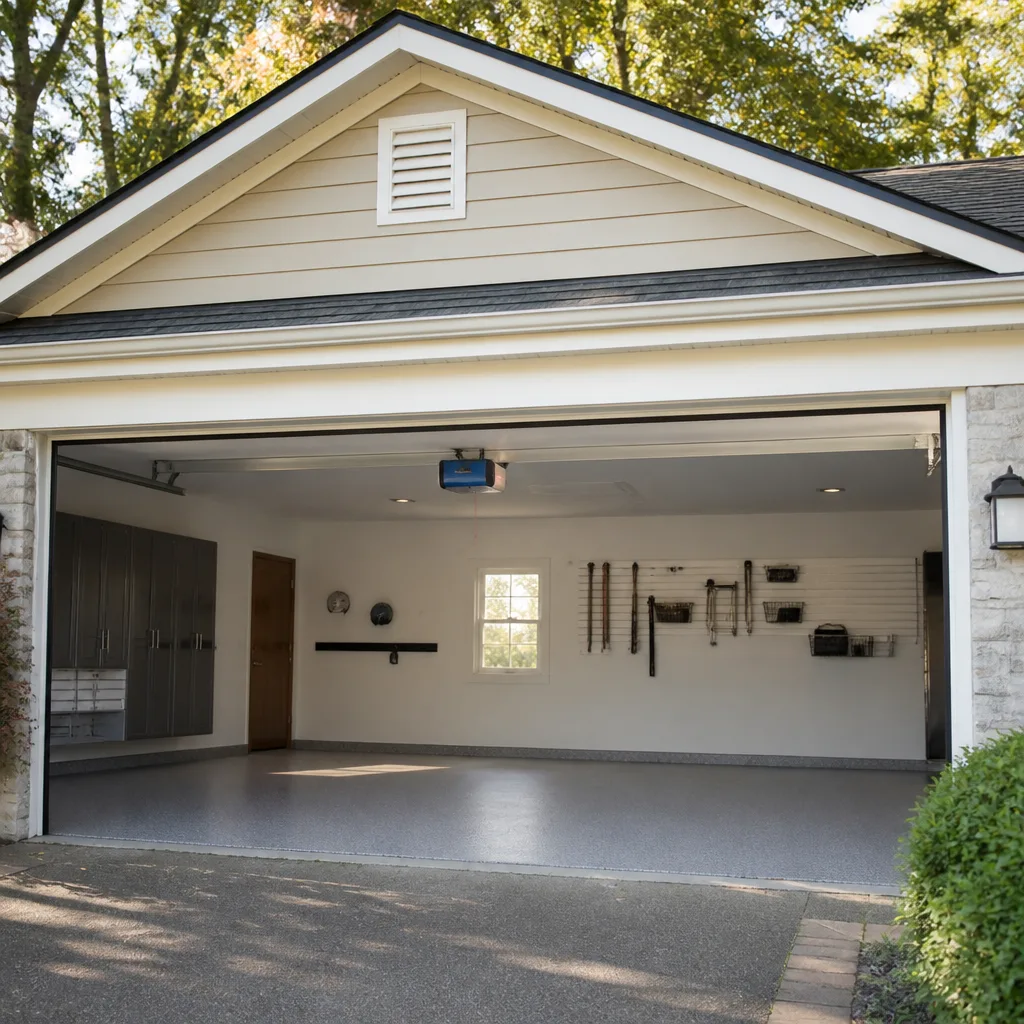 Chamberlain openers
Full 25-point door and opener safety check with every visit - springs, cables, rollers, tracks, and your LiftMaster or Chamberlain opener included
You get a price before we start. It does not change when the pro arrives.
Get your free estimateGarage Door Permits, Codes & Inspections in Towson, MD: What You Need to Know
Most Towson homeowners expect the worst when they hear the word permit. They picture weeks of paperwork, a county inspector in the driveway, and a bill that climbs before the door even arrives. Here’s the part that surprises people: for a simple like-for-like replacement, most garage door work in Baltimore County moves through without a permit at all. The exceptions are narrow, but they matter. When a job crosses the line into structural change, or when a door was installed years ago without the paperwork, the missing record can surface during a title search and complicate a sale. This guide walks through where that line actually sits in the Towson area, what to keep on file, and how HOA rules stack on top of county code.
Quick Answer
A straight replacement of the same size door in the same opening usually does not need a permit in Baltimore County. You do need one when the project changes the structure of the opening, such as widening or raising it, adding a new opening, or altering the header and framing. Inspections follow the permitted structural work, not the door swap. If you’re unsure which category your job falls into, ask the county building department directly before work starts, and keep every receipt and sign-off in your home files.
Styles & brands we work with
- Raised-panel steel
- Carriage house
- Modern flush
- Full-view glass
- LiftMaster openers
- Chamberlain openers
Table of Contents
- What Triggers a Garage Door Permit in Baltimore County?
- When Structural Changes Cross Into Permit Territory
- HOA Overlay Rules in Towson Communities
- The Paper Trail That Protects Your Resale Value
- What to Do When You Discover Unpermitted Work
- What an Inspection Actually Looks At
- How Towson’s Climate Shapes Code Concerns
- Frequently Asked Questions
What Triggers a Garage Door Permit in Baltimore County?
The short version: replacing a garage door in the same opening, at the same size, with the same general type of door is treated as ordinary maintenance and repair in most Baltimore County cases. That’s the like-for-like swap. You take out a worn steel door in Towson and put in a new one of matching dimensions, and the county generally does not require a permit because you haven’t changed the building’s structure.
What does trigger a permit is anything that touches the frame, the header, or the footprint of the opening. The building department cares about structure, not cosmetics. A new door color or a switch from raised panels to carriage style doesn’t move the needle. Cutting into the wall does.
A useful way to think about it:
- Like-for-like replacement: same opening, same size, no framing change. Typically no permit.
- Opening modification: widening the opening, raising the header, rebuilding the frame. Usually requires a permit and inspection.
- New opening: cutting a garage door into a wall that didn’t have one. Permitted structural work.
- Header or load-bearing changes: any alteration to the beam above the opening. Permitted structural work.
- Opener replacement or repair: electrical work to an existing circuit. Typically no building permit, though it should be done to code.
- Electrical circuit additions: running a new circuit for an opener or lighting. This is electrical work and falls under electrical permitting.
Here’s the honest caveat: permit rules get interpreted at the counter, and interpretations can shift. The only reliable answer for your specific address is the one you get directly from Baltimore County’s building department before work begins. We tell every Towson homeowner the same thing: when a job might cross the structural line, make the call first. It takes less time than untangling a problem later.
If you’re planning a straightforward garage door repair on an existing door, permitting is rarely part of the conversation. It’s the structural projects that require the extra step.
When Structural Changes Cross Into Permit Territory
The distinction comes down to one question: are you changing the building, or just changing the door? Baltimore County’s permit threshold is built around construction and alteration of the structure. A garage door replacement that keeps the opening intact sits outside that. A project that changes the opening sits inside it.
Here’s how a permitted structural job usually unfolds from the homeowner’s side, so you know what to expect:
- Check with the building department first. Describe exactly what you want to change. Widening from a single to a double opening, raising the header for a taller door, or cutting a new opening all need to be confirmed against county requirements.
- Get the scope in writing. The applicant (often your contractor) submits plans or a description of the work. Structural changes usually need a drawing showing the new opening and the framing.
- Receive the permit before work starts. A permit issued after the work is done doesn’t do you the same favors. Sequence matters.
- Complete the work to the permitted scope. Any change from the approved plan means amending the permit, not improvising on site.
- Schedule the inspection. Structural work gets inspected, often at the framing stage and again at completion. The inspector is checking that what was built matches what was approved and that the opening is structurally sound.
- Keep the sign-off. The approved inspection record is the document that proves the work was legitimate. File it with your home records.
What inspections look at on a garage door opening is fairly focused. The header needs to carry the load above the opening properly. The framing around the opening needs to be sound. Any new electrical work tied to the project is checked against code. The inspector isn’t grading your door’s appearance or its brand. They’re confirming the structure is safe and the work matches the permit.
One more point that catches people on structural projects: lead time. A permitted, structural job involves planning, drawings, and scheduling that don’t apply to a same-size swap. If you’re moving to a bigger door, plan for that process. If you’re replacing what’s already there, the path is simpler.
HOA Overlay Rules in Towson Communities
Here’s where the Towson area gets more complicated than the county code alone. Many communities around Towson have homeowners associations, and those associations have their own architectural rules about door style, color, material, and window configuration. An HOA approval is not the same as a county permit, and neither one substitutes for the other. You can have a door that satisfies Baltimore County and still run into trouble with your HOA board.
The overlap is where homeowners get tripped up:
- County code governs structure and safety. It cares about the opening, the framing, the electrical work, and the load.
- HOA rules govern appearance. They care about door style, panel layout, color, glass, and material matching the neighborhood.
- Both can apply to the same project. A door that meets code can fail HOA review if the style or color doesn’t match the association’s guidelines.
Towson’s housing stock runs from older brick homes near the downtown core to newer builds and townhome communities further out, and the HOA rules reflect that variety. Some associations want a specific color palette to keep the streetscape consistent. Others restrict certain window styles or materials. A few have rules that predate current door designs, which means the board may interpret an old rule against a new product.
The practical move is to get your HOA’s architectural guidelines in writing before you choose a door. Bring the color and style to the board early. If the association needs to approve the change, get that approval in writing and keep it with the rest of your paperwork. This is particularly important when you’re planning a full installation with a product like an Amarr or Wayne Dalton model whose style doesn’t perfectly match what’s already on the street. Choosing the right door is easier when you know the rules going in, and a Towson garage door repair conversation often starts with the style question before it gets to the installation.
When the door style is settled and the HOA has signed off, the county side for a like-for-like swap is usually straightforward. It’s the missing HOA approval that causes the most friction in Towson communities.
The Paper Trail That Protects Your Resale Value
Here’s the part almost no one thinks about until it’s too late: the paperwork you keep today is the paperwork that saves you during a title search years from now. When you sell a home in Towson, the buyer’s title company pulls the records. A permitted improvement shows up cleanly. An unpermitted one can stall the sale, trigger a renegotiation, or force remediation before closing. The difference between a smooth sale and a headache usually comes down to a folder.
What to keep on file for any garage door project:
- The installation invoice or receipt. This proves who did the work, when, and what product went in. It’s the baseline document.
- The door manufacturer and model. Amarr, Wayne Dalton, Raynor, and other brands each have product lines that hold up better against the buyer’s question “what’s actually installed here?” If you’re comparing options, our garage door repair team can help you pin down what you have.
- The permit number, if a permit was required. This ties your project to the county record and makes it verifiable during a title search.
- Inspection sign-off records. If the work was inspected, keep the approval. It’s the document that closes the loop.
- HOA approval, if applicable. Any written architectural approval from your association belongs in the same file.
- Opener documentation. If you replaced or installed an opener, keep the model, any manuals, and the garage door opener repair record for that unit.
A simple physical or digital folder labeled for home improvements does the job. Buyers don’t ask for much: they want to know the work was done right and that the record backs it up. A well-kept file answers both.
The resale angle isn’t abstract. Towson homes turn over, and buyers in the area are savvy about pulling records. A garage door replacement with no paper trail isn’t necessarily a problem if it was a like-for-like swap that didn’t need a permit. But the absence of documentation opens a question. Documentation closes it.
What to Do When You Discover Unpermitted Work
What happens if you’re the buyer, or the current owner, and you discover a garage door project that was never permitted? This is one of the most common situations we hear about in the Towson area, because doors get replaced across decades without anyone thinking to preserve the paperwork. The good news is that it’s usually fixable.
The practical steps:
- Confirm what was actually done. Separate cosmetic replacement from structural change. If a previous owner swapped a like-size door, there may be nothing to fix at all. If the opening was widened or the header was modified, that’s a different matter.
- Pull the county record. Contact Baltimore County’s building department to see what, if anything, was permitted for the address. This establishes the baseline.
- Get an inspection through the county if the work was structural. Most jurisdictions allow property owners to apply for a permit after the fact for unpermitted work. The process may involve a plan review and an inspection of the completed work. Confirm the specifics with the building department.
- Correct any deficiencies the inspection finds. If the unpermitted work doesn’t meet code, it will need to be brought into compliance. This might be minor or substantial depending on what was done.
- Document everything. The new permit, the inspection, and the corrections go into the same file as the rest of your home records.
When the unpermitted work happens to be spring-related, meaning the door’s springs were swapped by an unqualified party, that’s a safety matter before it’s a paperwork one. Torsion and extension springs are under high tension and can cause serious injury if they fail or if someone handles them incorrectly. Our garage door spring repair team recommends having any questionable spring work inspected by a trained technician, and it’s a good idea to have that done before anyone operates the door. We don’t recommend attempting the inspection yourself.
If you’re selling a Towson home and the title company flags an unpermitted garage door project, the fastest path is to remediate and document, not to argue. Most buyers will accept a resolved matter with a clean paper trail. The same project without resolution can cost time and negotiating leverage.
What an Inspection Actually Looks At
A garage door inspection through the county isn’t a test of your door’s brand or a check on how well it matches your neighbors’ homes. It’s a structural review. Inspectors look at whether the opening is properly framed, whether the header carries the load above the opening, and whether any associated work, like electrical, meets code. When you know what they’re focused on, the process is far less intimidating.
What you can expect to be reviewed:
- The framing around the opening. New or modified framing must meet structural requirements.
- The header. The beam above the opening has to support the wall above it. This is a common focus on any project that changes the opening width or height.
- Electrical tied to the work. If new wiring was added for an opener or lighting, it’s checked against code.
- Alignment with the approved plan. The inspected work should match what the permit describes. Deviations usually need an amended permit.
What it doesn’t typically cover: door finish, panel style, brand, or whether the door matches the original aesthetic. Those are HOA concerns, not county ones. If you’re installing a Raynor or Craftsman unit with a specific panel design, the county doesn’t weigh in on the aesthetic; your HOA might. Our technicians have up to 13 years of experience and understand what gets inspected and what doesn’t, which helps you plan the work in the right sequence.
On a like-for-like swap with no structural change, the inspection step isn’t part of the process at all. That’s one reason the project is so straightforward for most Towson homeowners. The complexity lives in the structural projects, and those are worth doing properly with the inspection on record.
How Towson’s Climate Shapes Code Concerns
Permits exist to protect the structure, and in Towson’s climate, structure is tested. Baltimore County sits in a Mid-Atlantic transitional zone: hot and humid summers, cold winters with occasional deep freezes, and a freeze-thaw cycle that runs through the cooler months. That cycle is the reason structural work needs to be done to code. Framing that’s properly permitted and inspected tends to hold up through seasonal movement better than improvised work.
Where this shows up in practice:
- Freeze-thaw movement. Water works into small gaps and expands when it freezes, then contracts as it thaws. Over many seasons, this stresses framing, sills, and the base of the opening. Permitted and inspected structural work accounts for this.
- Summer humidity. The Mid-Atlantic summer pushes moisture against wood framing and metal components. A door that’s installed with the wrong clearances or a header that’s underbuilt will show it over time.
- Winter cold on springs and openers. Cold affects how springs and opener mechanisms perform. When the door struggles in January, the cause is sometimes mechanical rather than structural. In our experience, homeowners often conflate the two. If the door opens but feels sluggish, that’s usually a component issue, not a framing one.
None of this replaces the permit threshold discussion. A like-for-like swap in Towson still doesn’t need a permit regardless of climate. But it’s the reason structural work should be done to code rather than improvised. The inspection exists to catch the improvised version before it becomes a problem. Using a technician who understands the local climate’s effect on the structure, and who can tell the difference between a framing problem and a component problem, is worth the confidence it brings.
When a door fails in the middle of a Baltimore County cold snap, it’s usually a spring or opener issue, not a structural failure. Our garage door repair service handles those conditions routinely, and we’ll tell you plainly whether the problem is structural or mechanical.
Common Mistakes to Avoid
- Assuming every replacement needs a permit. A like-for-like swap in Towson typically doesn’t. Asking the county first saves time.
- Assuming no replacement ever needs a permit. If the opening is widened, raised, or newly cut, permit territory applies. Don’t let a contractor skip the step.
- Starting structural work before the permit is issued. Retroactive permits are harder to pull and sometimes require corrections that weren’t planned. Sequence the work correctly.
- Forgetting the HOA. County code and HOA rules are separate. Get approval from both, and get HOA approval in writing.
- Throwing away the paperwork. The installation receipt, permit number, and inspection sign-off are the documents that protect your home sale. File them.
- Trying to inspect or repair springs yourself. Torsion and extension springs are under high tension and dangerous. Have them checked by a trained technician.
- Assuming a seller’s word on unpermitted work. Pull the county record before closing if there’s any question. It’s inexpensive and quick, and it can save a delay at the worst possible moment.
See the difference
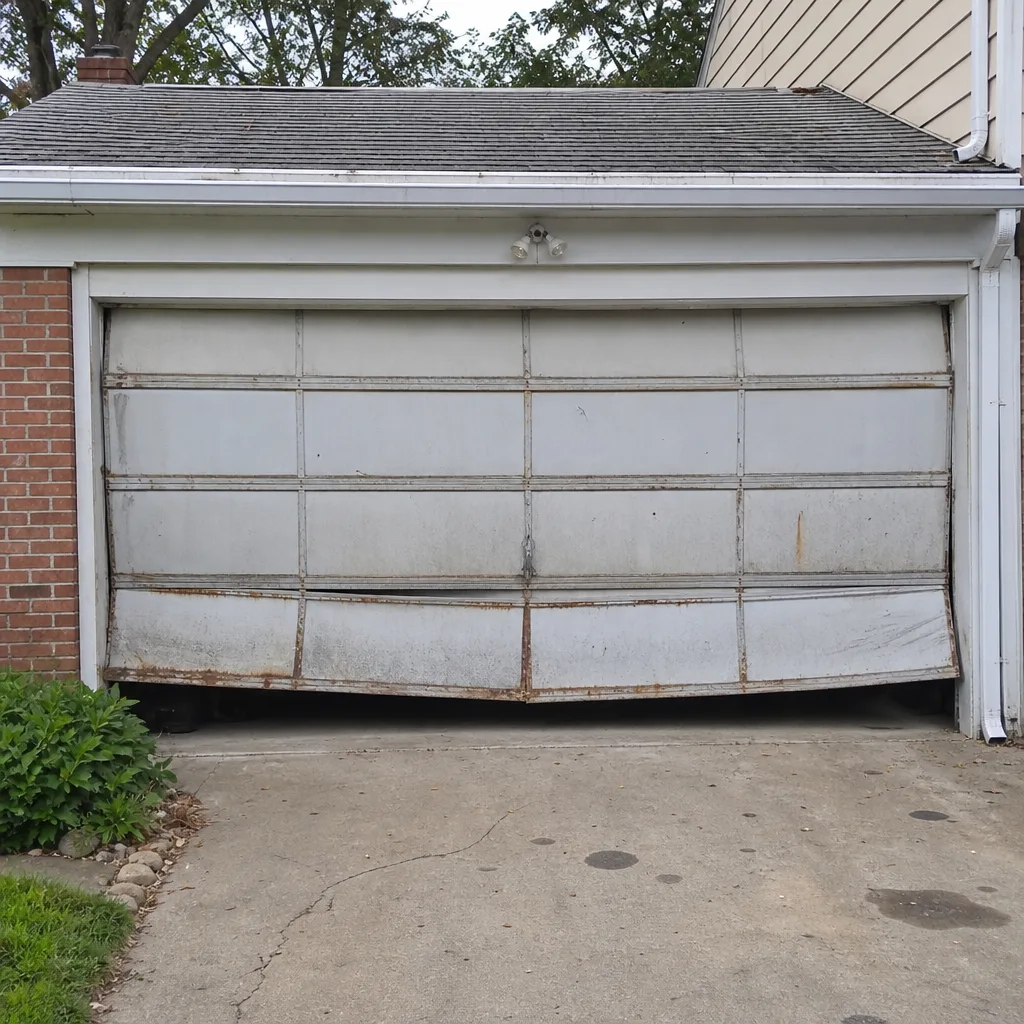 Before
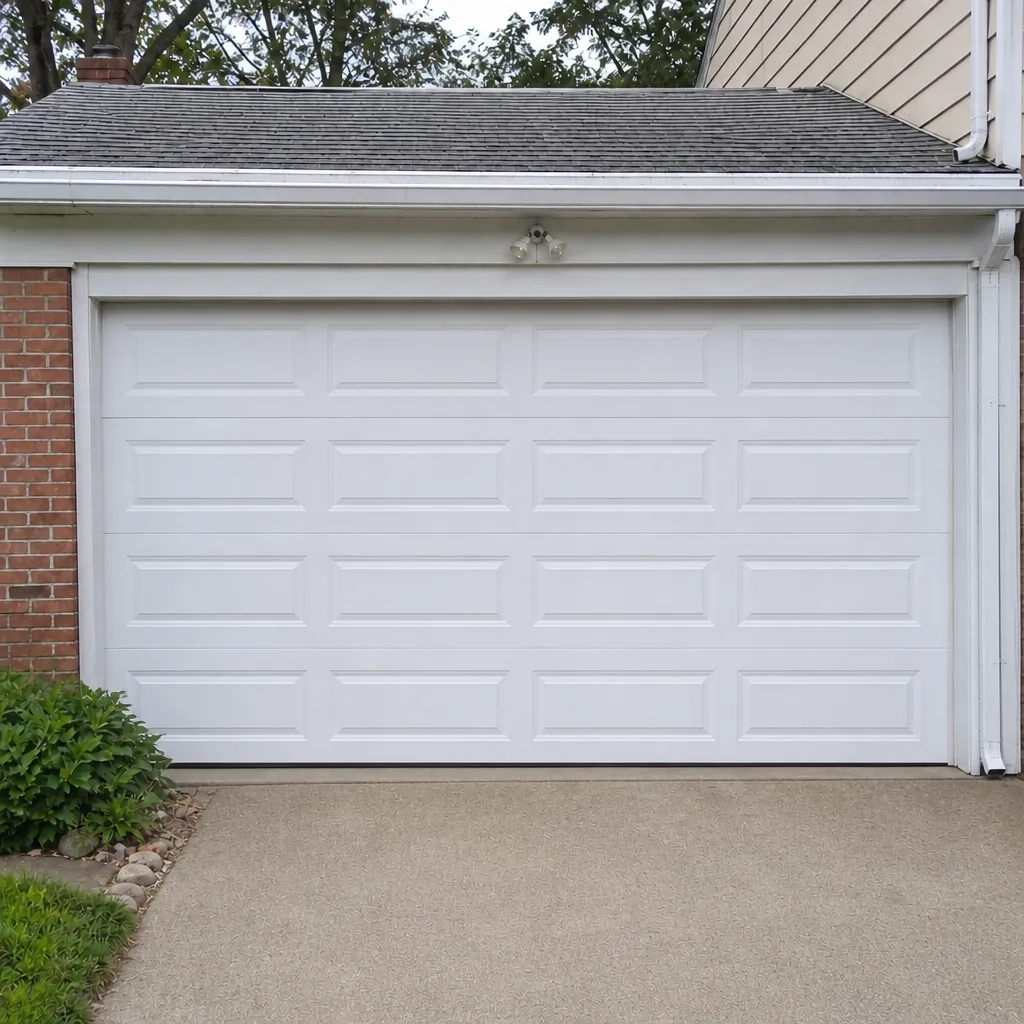 After
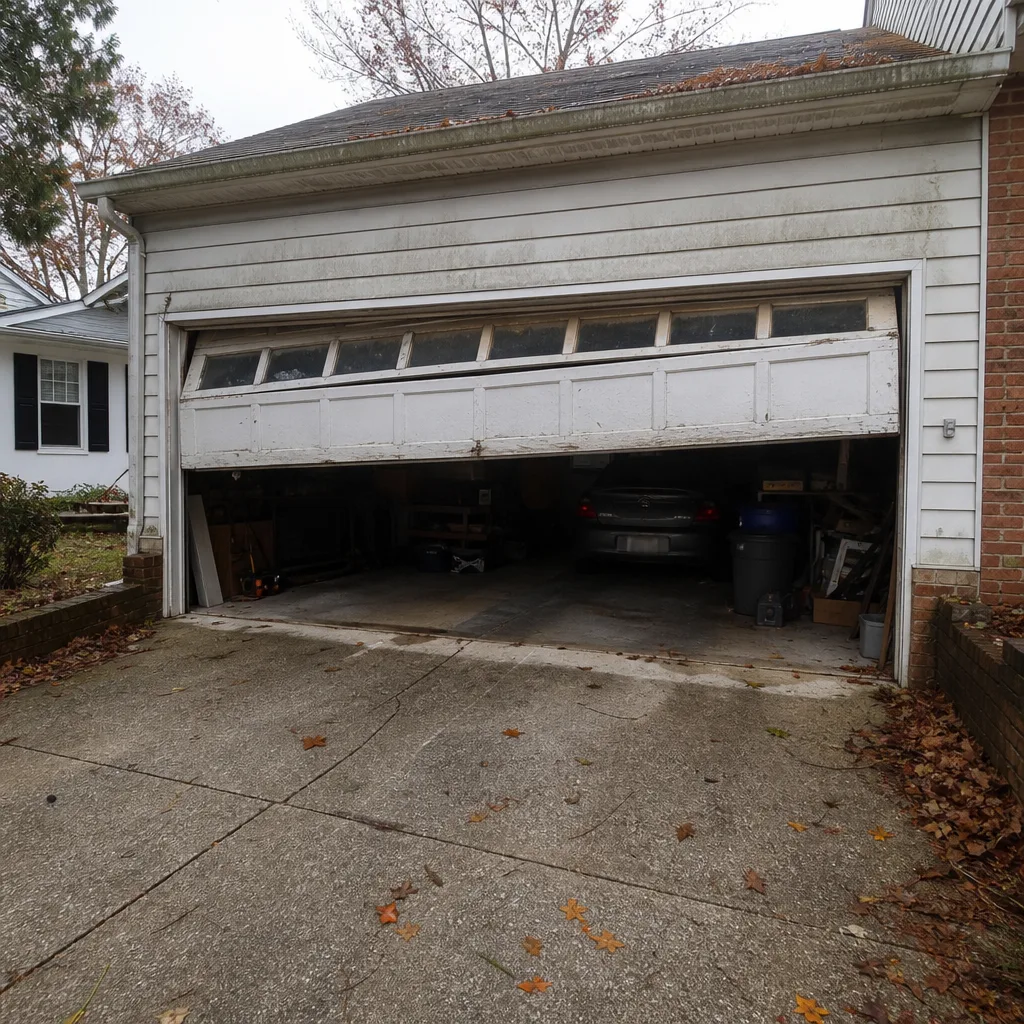 Before
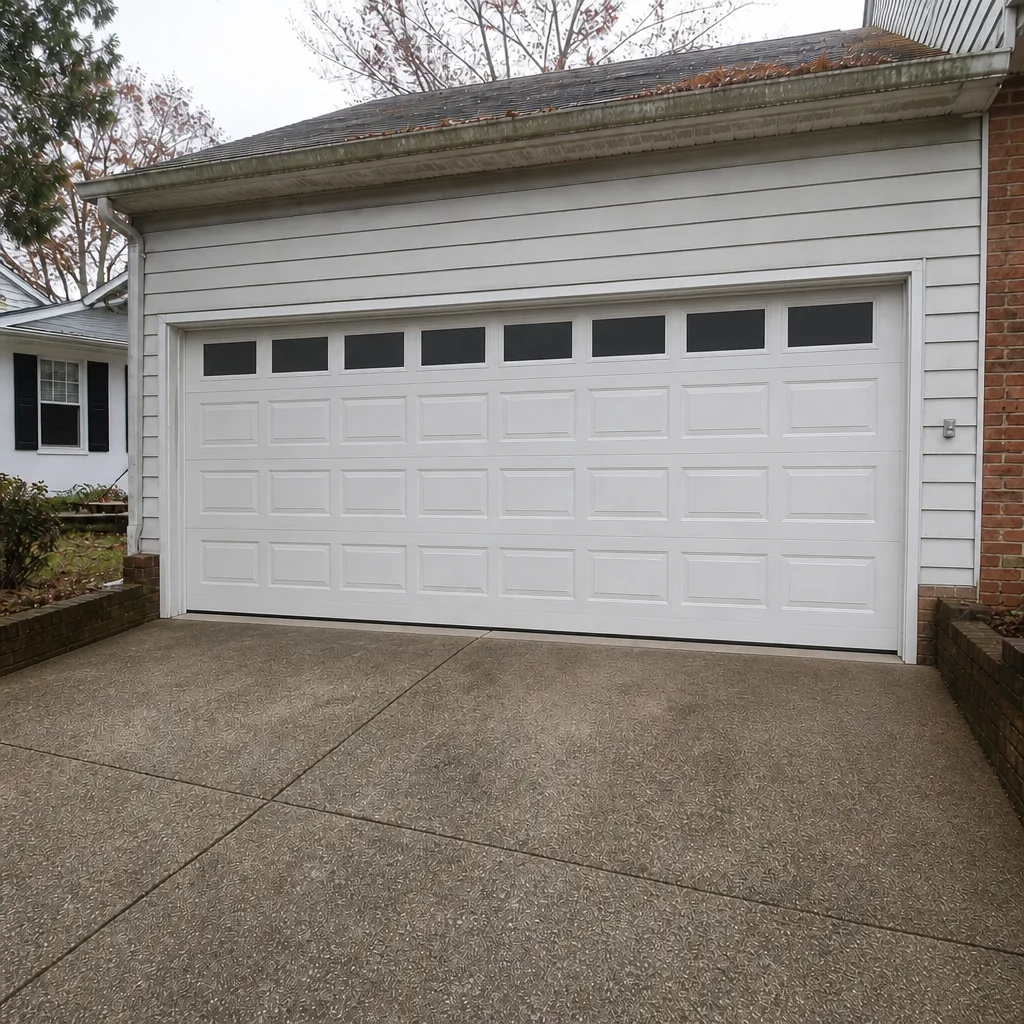 After
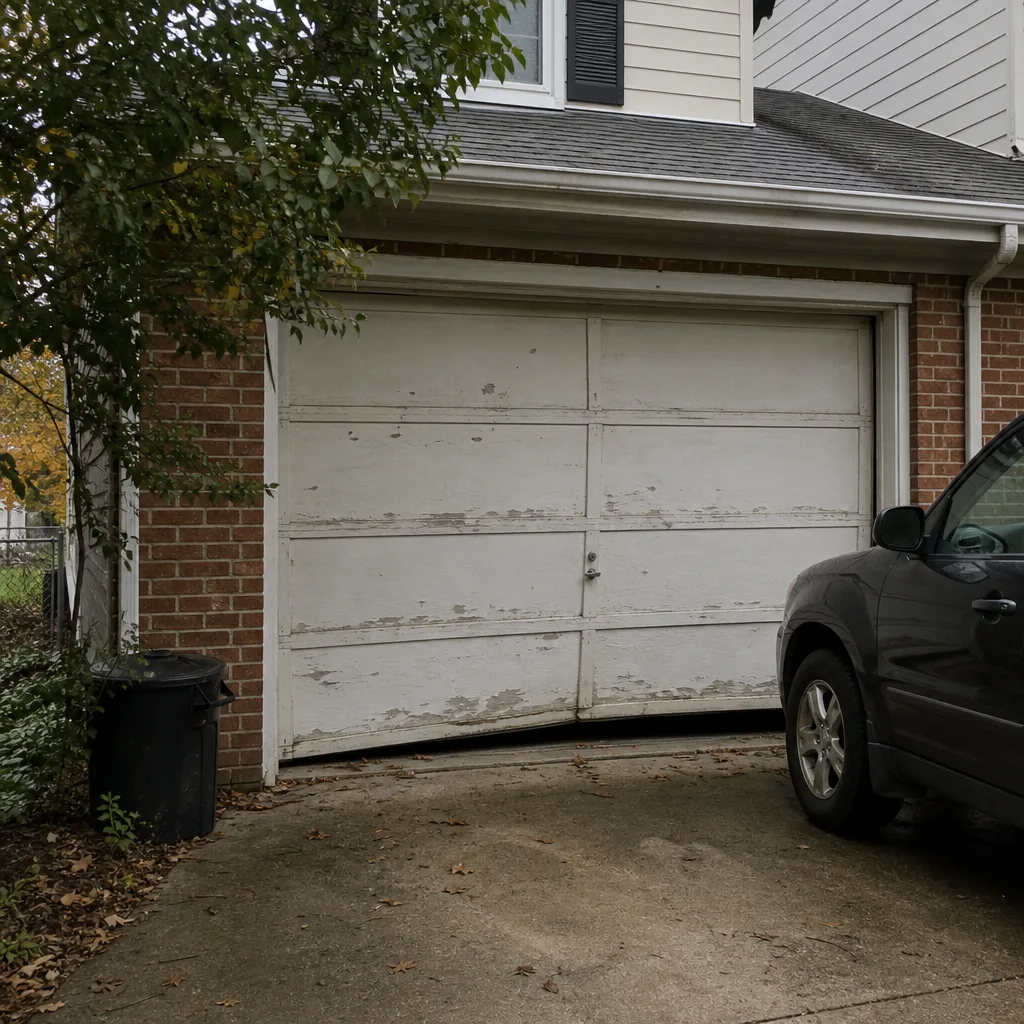 Before
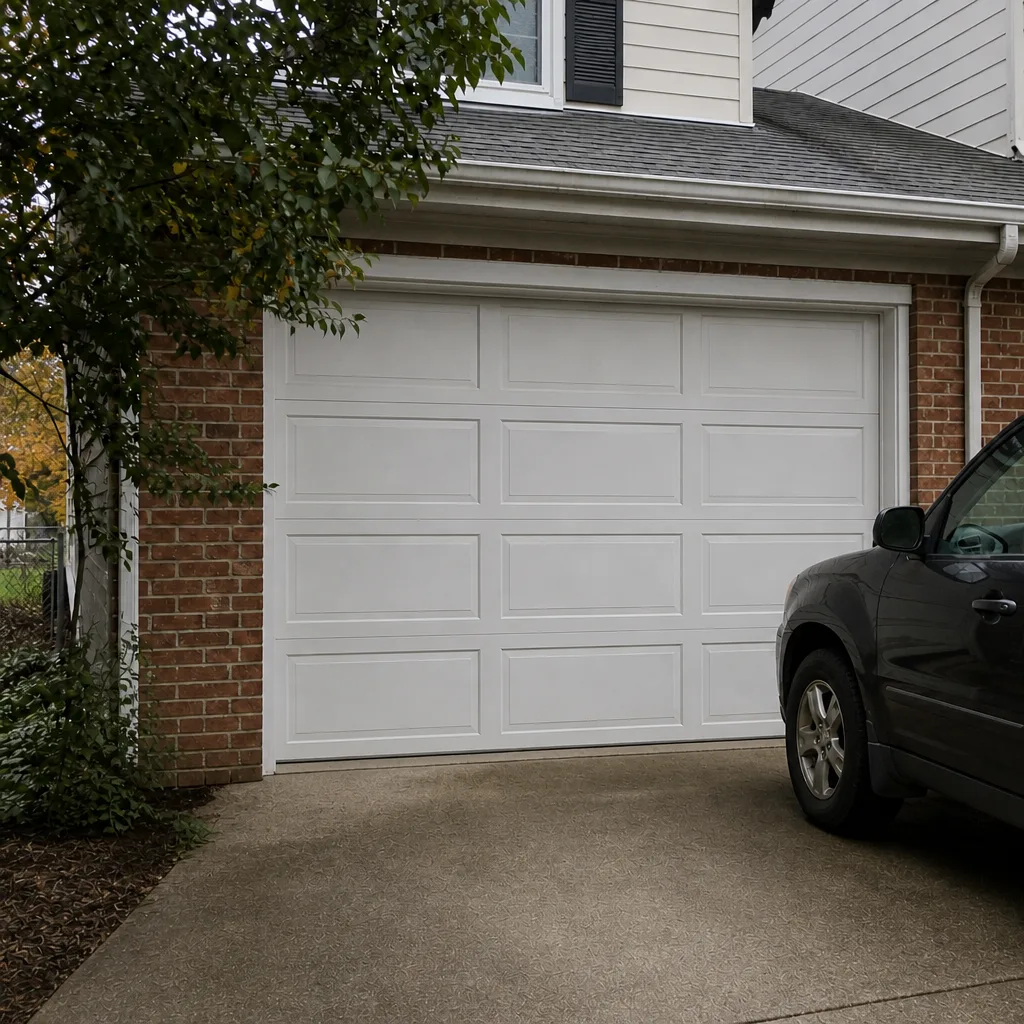 After
When to Call a Professional
Some of the work in a garage door project is inspection-adjacent and needs trained hands. Spring work tops that list. Torsion and extension springs are held under significant tension, and a failure during DIY work can cause serious injury. Our team handles spring work as a core service, not a reluctant sideline. Structural changes similarly benefit from a technician who understands the permit threshold and can tell whether the job crosses it. If the door won’t move and you’re not sure why, or if an installation has been completed by someone else and you can’t verify the paperwork, that’s the moment to call. We handle the full spectrum in Towson, from like-for-like replacement to full door installation, and we can help you separate the structural question from the mechanical one before a project goes sideways. Towson Garage Door Repair Pros offers free estimates in Towson, and we’ll tell you plainly which category your job falls into.
Frequently Asked Questions
Usually not. In Baltimore County, a like-for-like replacement in the same opening at the same size is treated as maintenance and generally does not require a permit. A permit is triggered when you change the opening itself, such as widening or raising it, adding a new opening, or altering the header. Ask the county building department directly for anything beyond a straight swap. Call (844) 931-3676 if you want help figuring out which category your project falls into.
Typically no building permit for swapping an opener on an existing circuit. If a new electrical circuit has to be run, that falls under electrical permitting, and the work should be done to code. Our opener technicians work across brands like LiftMaster, Chamberlain, and Genie, and we can walk you through the wiring question before we start. Call (844) 931-3676 for a free estimate.
Pull the county record for your address. Baltimore County’s building department can confirm what was permitted and what inspections were recorded. If the work was structural and never permitted, you can typically apply for a permit after the fact and have the work inspected. If it was a like-size swap, there may be nothing to reconcile. An exact quote on any corrective work is free, and the written estimate sets the final price.
The title search can flag the improvement, and the buyer’s lender may require it be addressed before closing. Most sales proceed once the work is brought into compliance and documented, but the process adds time. Documentation is your protection: keep the installation receipt, permit number, and inspection sign-off for any project that required one. Call (844) 931-3676 for an estimate on bringing the work into compliance.
Your HOA can restrict door style, color, material, and window configuration, and those restrictions sit on top of county code, not instead of it. Get the association’s architectural guidelines in writing before choosing a door, and keep any written approval on file. Many Towson communities have specific appearance rules, and a mismatch is easier to avoid early than correct later. Call (844) 931-3676 for a free measure and a written price once the style is settled.
Only if the work was permitted, which usually means structural work. A like-for-like replacement typically doesn’t require an inspection. A permitted structural change does, and the inspector reviews the framing, the header, and any associated electrical work. Keep the sign-off on file. If you’re planning an installation, call (844) 931-3676 for a free estimate and a walk-through of what to expect.
The Bottom Line
Garage door permits in Towson come down to one dividing line: structural change versus like-for-like replacement. Keep the same opening and the same size, and most of the time you’re outside permit territory. Change the opening, the header, or the framing, and a permit and inspection follow. Layer on top of that the HOA rules that apply in many area communities, with their own approval process separate from the county. And when any project is done, keep the paperwork. The installation receipt, permit number, inspection sign-off, and HOA approval are the documents that protect a home sale years down the road. When unpermitted work surfaces, remediation is usually straightforward, and it’s simpler to address before a title search than during one. Our technicians have up to 13 years of experience and can help you read which category your project falls into.
If you’d like a clear answer on a Towson garage door project, call (844) 931-3676 for a free estimate. We’ll give you the straight read on the scope, the permit question, and what the work involves.
Written by the team at Towson Garage Door Repair Pros.