Last updated November 21, 2026
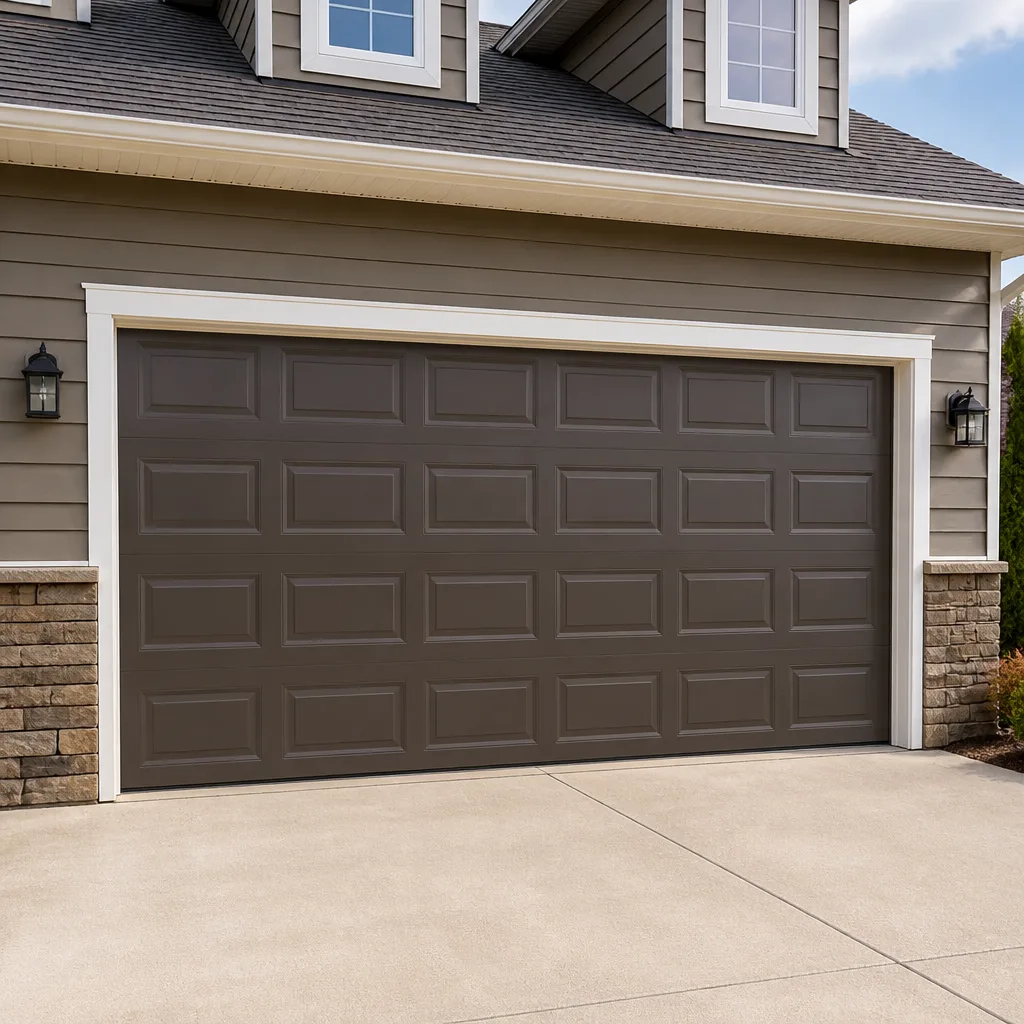 Raised-panel steel
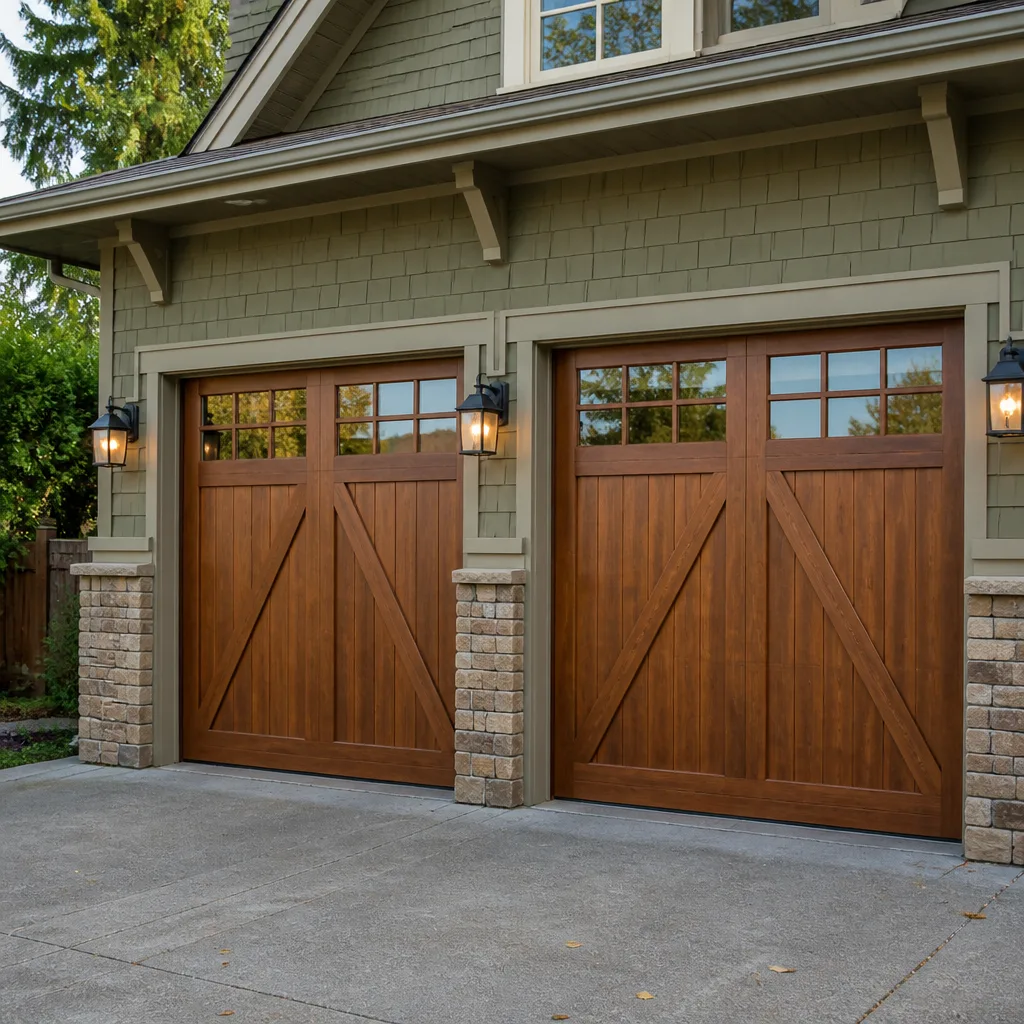 Carriage house
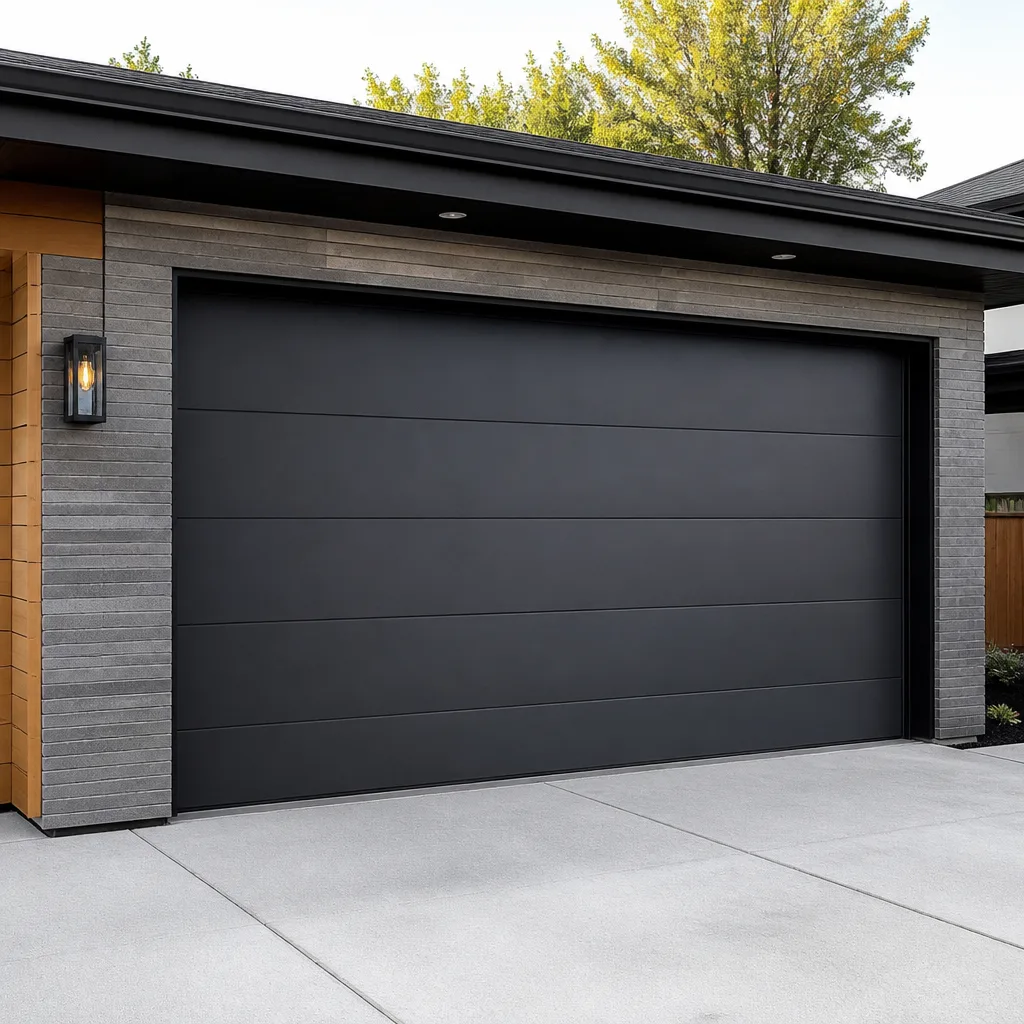 Modern flush
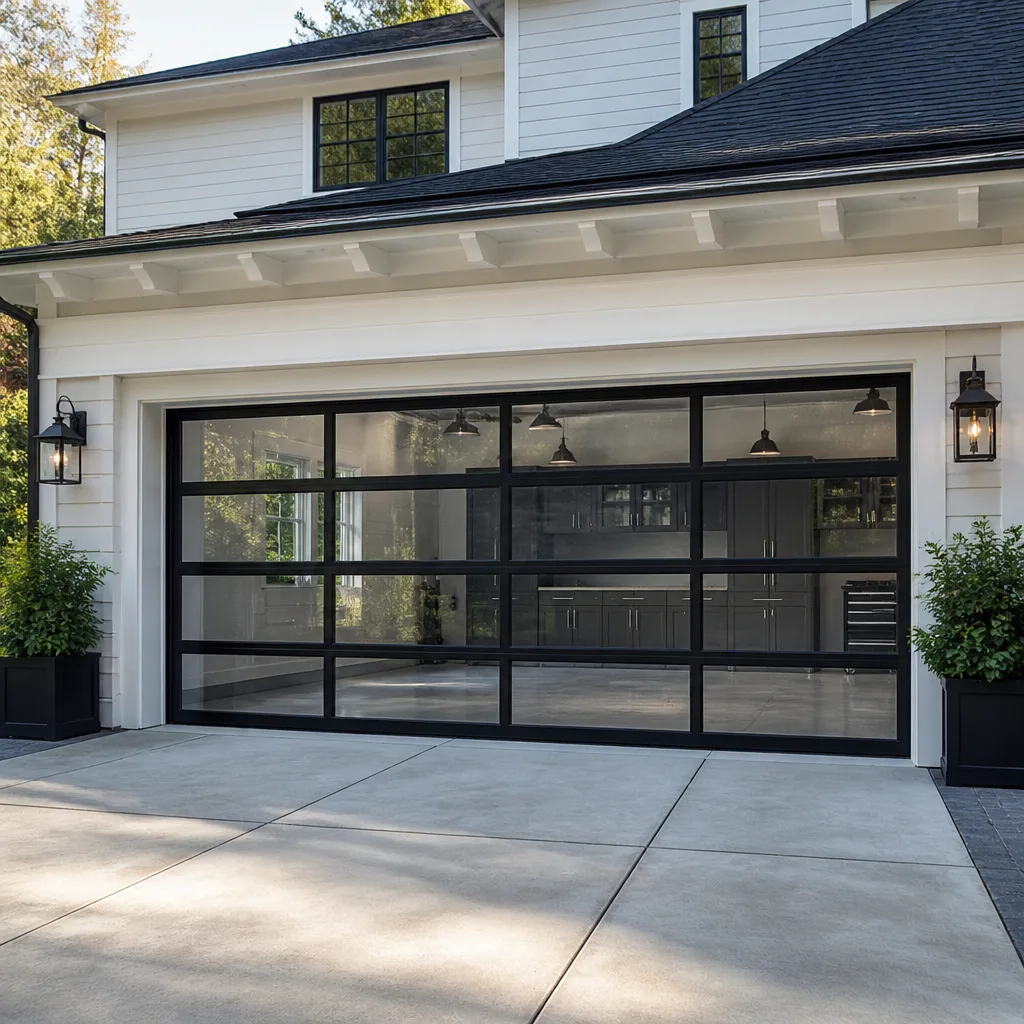 Full-view glass
 LiftMaster openers
 Chamberlain openers
Full 25-point door and opener safety check with every visit - springs, cables, rollers, tracks, and your LiftMaster or Chamberlain opener included
You get a price before we start. It does not change when the pro arrives.
Get your free estimateGarage Door Repair Maintenance Schedule: What to Do and When
Lubricating your springs in July is nearly useless. Doing it in October, before the cold makes the grease go stiff, is what actually prevents a January snap. Most maintenance guides hand you a tidy quarterly checklist and call it a schedule, but a garage door doesn’t wear on a calendar. It wears on cycles, on temperature swings, and on the specific parts that take the load. In Towson, the difference between a door that lasts and one that fails early usually comes down to doing the right task in the right season. This guide lays out a schedule built around how doors actually wear, with the tasks, the timing, the lifespan benchmarks, and the mistakes that quietly void warranties.
Quick Answer
A garage door needs a 90-second visual check every month, lubrication and a balance test twice a year (early fall and early spring are the right windows in Towson), and a professional inspection of springs, cables, and rollers every two to three years. The single most important habit is a fall lubrication and balance check before cold weather stiffens the grease and stresses the opener. Everything else is timing and knowing the lifespan limits of each component.
Styles & brands we work with
- Raised-panel steel
- Carriage house
- Modern flush
- Full-view glass
- LiftMaster openers
- Chamberlain openers
Table of Contents
- Why Seasons Matter More Than Quarters in Towson
- The 90-Second Monthly Visual Check
- Fall Prep: The Most Important Window of the Year
- Spring Check: What the Thaw Reveals
- The Annual Task Almost Everyone Skips: The Balance Test
- Component Lifespan Benchmarks: What to Watch
- Maintenance That Voids Warranties
- When to Bring In a Technician
Why Seasons Matter More Than Quarters in Towson
Towson sits in a climate with real temperature swings, humid summers, and winters cold enough to make metal contract and grease thicken. That reality drives the whole schedule. A quarterly checklist treats every season the same, which is exactly the problem. In our experience, doors don’t fail on a neat schedule. They fail in the first cold snap after a warm fall, or in the first humid stretch of summer when rollers start to drag.
The reason is mechanical. Lubricant thins and migrates in heat, then stiffens when the temperature drops. A torsion spring that was fine in September has to work harder in January, and that extra load shows up first at the bearings, the rollers, and the opener’s motor. The door doesn’t care that it’s the first week of the quarter. It cares whether the grease is still where you put it and whether the spring is still doing its job.
There’s a second local factor: humidity. The mid-Atlantic’s damp summers encourage rust on steel tracks, hinges, and cables, and that rust accelerates wear faster than dry cold does. A door that sat through a humid Towson August needs attention to its moving metal parts by the time fall arrives. That’s why the schedule below puts lubrication and inspection in early fall and early spring, not on an arbitrary quarterly grid. The seasons set the timing because the seasons set the stress.
If your door is already showing the signs of a missed schedule, a garage door repair visit can catch damage before it spreads to the opener or the panels. For now, let’s build the schedule in the order you’ll actually use it.
The 90-Second Monthly Visual Check
Most developing problems announce themselves before they fail. A 90-second walk-around each month catches the large majority of them, and it needs no tools, no ladder, and no technical knowledge. Do this from the floor, looking and listening.
- Look at the springs. Above the door, note whether the torsion spring (the coil on the shaft) shows a visible gap in the coil. A gap means a broken spring. On older extension-spring doors, look for stretched or sagging springs along the sides.
- Run the door and listen. Open and close it once. Grinding, squealing, or a rhythmic thump points to worn rollers, dry hinges, or a track problem.
- Watch the travel. Does the door move smoothly, or does it jerk, stall, or slow down partway? A door that hesitates is telling you the opener is straining.
- Check the cables. Look at the steel cables on each side for fraying, kinks, or slack. A slack cable is a serious warning sign.
- Look at the tracks. Glance down the vertical and horizontal tracks for dents, bends, or debris. Tracks should look straight and clean.
- Look at the weather seal. Check the bottom rubber for cracks or a gap at the floor. A worn seal lets in water, cold air, and pests.
That’s the whole check. The point isn’t to fix anything. It’s to notice change early, when the fix is small. A noisy roller caught this month is a cheap swap; the same roller ignored for a year can chew up a hinge or strain the opener. This habit alone heads off the majority of emergency calls we handle. When the door won’t move, we do, but the best call is the one that never needs to happen. If you’re already past the point of a visual check and something sounds wrong, that’s the moment to look at garage door opener repair before the motor takes the hit.
Fall Prep: The Most Important Window of the Year
Fall is the critical maintenance window in Towson, and it earns that status for one reason: cold weather is coming, and cold is what turns a small problem into a snapped spring or a burned-out opener. Everything you do in October is really preparation for January. This is the season to lubricate, tighten, and test, in that order.
Here’s the fall routine:
- Lubricate the moving parts. Apply a garage-door-specific lubricant to the hinges, rollers, and the torsion spring coil (or extension springs). Use a product made for garage doors, not household oil or WD-40, which attract grit and dry out. October timing matters because the fresh lubricant stays soft into the cold months.
- Check and tighten hardware. Vibration loosens the bolts on hinges and brackets over time. A quick pass with a wrench on the track brackets and hinge bolts prevents the rattle that precedes a failure.
- Test the balance and the safety reverse. Lift the door manually to confirm it’s balanced (more below), and test the auto-reverse by placing a small object in the door’s path. This is the safety check that matters most heading into winter.
- Inspect the weather seal. Replace a cracked bottom seal before the cold sets in. A good seal keeps out cold air and moisture, and it takes the impact when the door closes on a frosty floor.
- Clear the tracks and check the opener’s force settings. Debris in the tracks causes drag that the opener fights all winter.
One manufacturer note worth knowing: doors from Clopay, Amarr, and Wayne Dalton all rely on the same fundamentals here, but the hardware and hinge styles differ, so lubricate what’s actually on your door rather than a generic list. If you’re unsure what you have, a technician can identify the system and set you up. The fall window is short, and it’s the one to protect.
Spring Check: What the Thaw Reveals
Spring is the second key window, but for a different reason than fall. Fall is about prevention. Spring is about discovery. The cold months stress every component, and the thaw is when the damage shows up: a spring that lost tension, a cable that stretched, a seal that cracked, a track that shifted with the frost.
The spring routine focuses on what winter left behind:
- Re-run the monthly visual check with fresh eyes. Look specifically for the damage cold causes: cracked seals, rust on cables and tracks, and any new noise.
- Re-lubricate. Winter dries out the lubricant. A spring application restores it before the humid summer, when dragging parts wear faster.
- Test the balance again. If the door feels heavy or drops on its own, the springs have lost tension and the opener is compensating. That’s a repair, not a tune-up.
- Check the door’s alignment and the tracks. Frost heave and settlement can shift a track out of plumb. A door that binds on one side is a track or roller issue.
- Inspect the opener’s chain or belt. Look for slack or wear and listen for new noise on the first warm days.
Spring also matters because it’s when people start using the door more. Longer days, more comings and goings, and a door that sat idle through a cold stretch all add up to more cycles. Getting ahead of it in March or April means the busy season runs on a healthy system. This is the season where a spring repair visit genuinely pays for itself, because a weak spring caught now is a straightforward fix, and a snapped spring in the middle of summer is an emergency. When a spring is visibly broken or the door feels dangerously heavy, stop using it and call for garage door spring repair.
The Annual Task Almost Everyone Skips: The Balance Test
This is the one. The manual disconnect test is the task most homeowners skip entirely, and it’s the single best way to confirm your door is balanced and your opener isn’t being over-stressed. An unbalanced door makes the opener drag it open and closed, which wears out the motor, the gears, and the springs faster than anything else. You can’t feel that strain from the outside. You have to disconnect the door and lift it by hand.
Here’s how it works, safely:
- Close the door and pull the manual release cord. This disconnects the door from the opener so you’re testing the door, not the motor.
- Lift the door halfway by hand and let go. A properly balanced door should stay roughly where you leave it. If it drops hard or rises on its own, the springs are out of balance.
- Lift it fully and lower it slowly. The door should move with steady effort, not fight you or feel dangerously heavy.
- Reconnect by running the opener once. The carriage re-engages on the next cycle.
Do this once a year, ideally in the fall. If the door won’t hold its position, the springs need attention, and that’s a trained-hands job. Torsion springs store enormous energy, and the cables that run alongside them are under serious tension. Never attempt to adjust, remove, or replace a spring or cable yourself; the risk of serious injury is real. On modern smart openers from Genie and the major brands, the balance test also protects the electronics, since a strained motor draws more current. Get the balance right and the opener lasts longer.
If the test reveals a problem, don’t force the door. It’s time for a technician.
Component Lifespan Benchmarks: What to Watch
Knowing how long each part should last tells you what to watch for and when to budget. These are typical service-life ranges, not guarantees, but they’re what we plan around. Cycle count matters more than years.
- Springs: about 10,000 cycles. A cycle is one open-and-close. A household that runs the door four times a day uses about 1,460 cycles a year, so a spring is a candidate for replacement roughly every seven years under normal use. Heavy use shortens that fast.
- Cables: 7 to 10 years. Cables fray, stretch, and rust, especially in humid climates. Inspect them at every seasonal check.
- Rollers: 5 to 7 years for steel, longer for nylon. Noisy or wobbly rollers are the most common source of grinding.
- Openers: 10 to 15 years. The motor and electronics usually last longer than the mechanical parts, but a strained opener fails young.
- Weather seal: 2 to 4 years. Cracked seals are cheap to replace and protect everything above them.
The lesson in these numbers is simple: springs and cables are the parts that fail catastrophically, and they’re on a long enough timeline that you have plenty of warning if you’re checking. A spring near the end of its cycle count is a replacement you can schedule; a spring you never looked at is the one that snaps on a cold morning. Keep a rough cycle count in your head and let the seasonal checks do the rest.
Maintenance That Voids Warranties
Some well-meaning maintenance does more harm than good, and certain mistakes can void a manufacturer’s warranty. Knowing what “done wrong” looks like protects your door and your coverage.
Common warranty-voiding mistakes:
- Using the wrong lubricant. Household oil, WD-40, and grease attract dirt, gum up the tracks, and can damage seals. Use a garage-door-specific lubricant. Manufacturers may decline claims tied to improper lubrication.
- Painting or modifying the door improperly. Painted hardware, sealed springs, or altered panels can void coverage. Follow the door maker’s guidance for your finish.
- Adjusting the springs yourself. Beyond the injury risk, home spring adjustments can overload the system and void the warranty.
- Tampering with the opener’s force or limit settings. Incorrectly adjusted limits can damage the door and the opener and may void the opener warranty.
- Letting a known problem run. A dragging door that’s ignored can damage the opener, the springs, and the panels, and warranty claims for damage from neglect are commonly refused.
Doors from Clopay and similar makers are built to last, but the coverage assumes reasonable care. Keep your maintenance simple and correct, and document what you did. When in doubt, a professional inspection is the surest way to keep the warranty intact.
When to Bring In a Technician
Most of this schedule is homeowner work. The tasks that aren’t are the ones that demand training: anything involving springs, cables, or the opener’s internal settings. Call a professional when you see a visible gap in a spring, a frayed or slack cable, a door that won’t balance or drops hard, a track that’s bent or out of plumb, an opener that strains or reverses on its own, or any door that feels dangerously heavy. Those are not tune-up items; they’re repairs.
An annual or biennial professional inspection also catches things a visual check can’t, like early bearing wear or a spring near the end of its cycle count. Towson Garage Door Repair Pros offers free estimates in Towson. Call (844) 931-3676. Our technicians have up to 13 years of experience and work on your brand, from Genie openers to Amarr and Wayne Dalton doors, so there’s no guesswork. If you’re unsure whether a noise or a hesitation is serious, that call costs nothing and settles the question.
Common Mistakes to Avoid
- Lubricating on a quarterly calendar instead of by season. The right timing is early fall and early spring, tied to temperature and humidity. A July application is wasted effort.
- Skipping the balance test. It’s the one task that protects your opener, and most homeowners never do it. Once a year, every year.
- Using the wrong lubricant. WD-40 and household oil attract grit and gum up the tracks. Use a garage-door-specific product.
- Ignoring a noisy roller or hinge. Small noises are cheap fixes. Left alone, they wear the opener and the hardware.
- Forcing a heavy or binding door. A door that won’t balance is a spring problem, and running it strains the opener and risks injury.
- Attempting spring or cable work yourself. These parts store dangerous energy. This is a trained-hands job, full stop.
- Letting a cracked weather seal go. In Towson’s humid summers and cold winters, a bad seal lets moisture and cold in and accelerates wear on everything above it.
See the difference
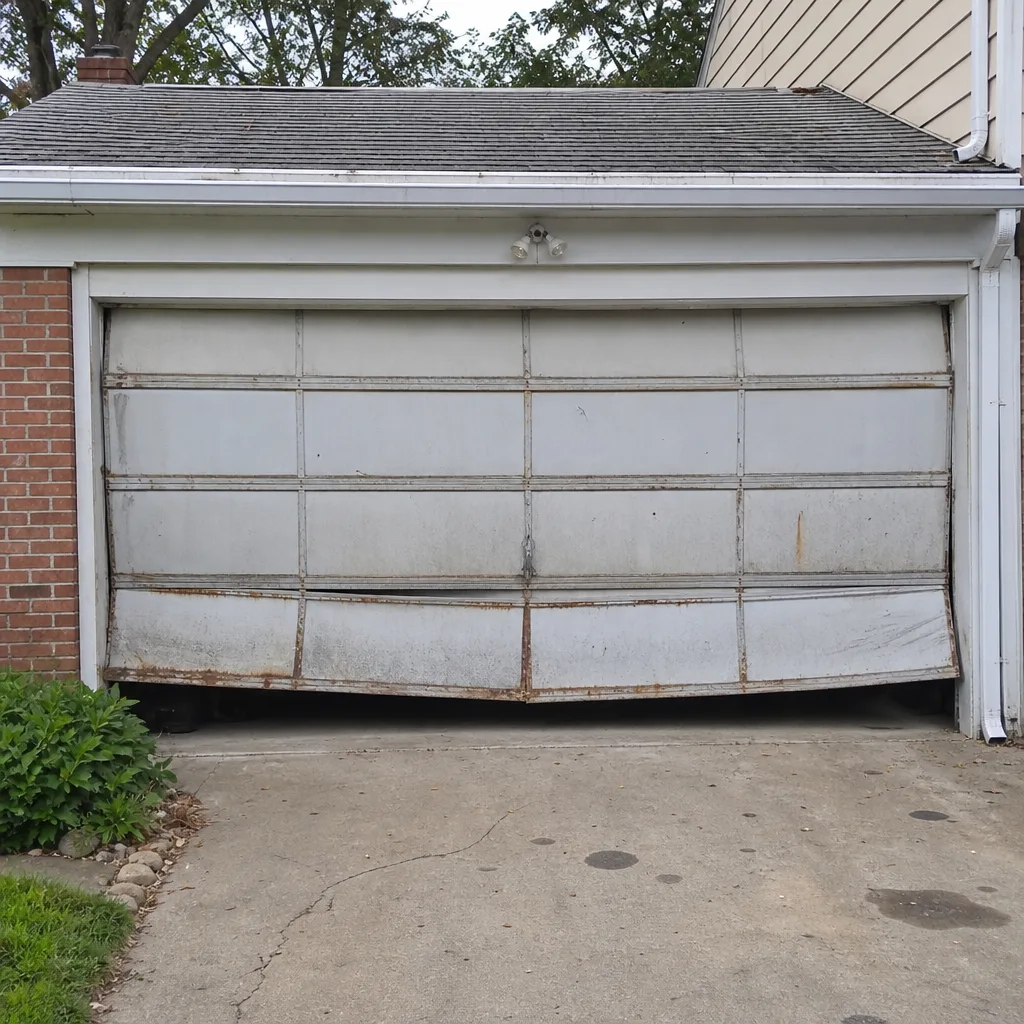 Before
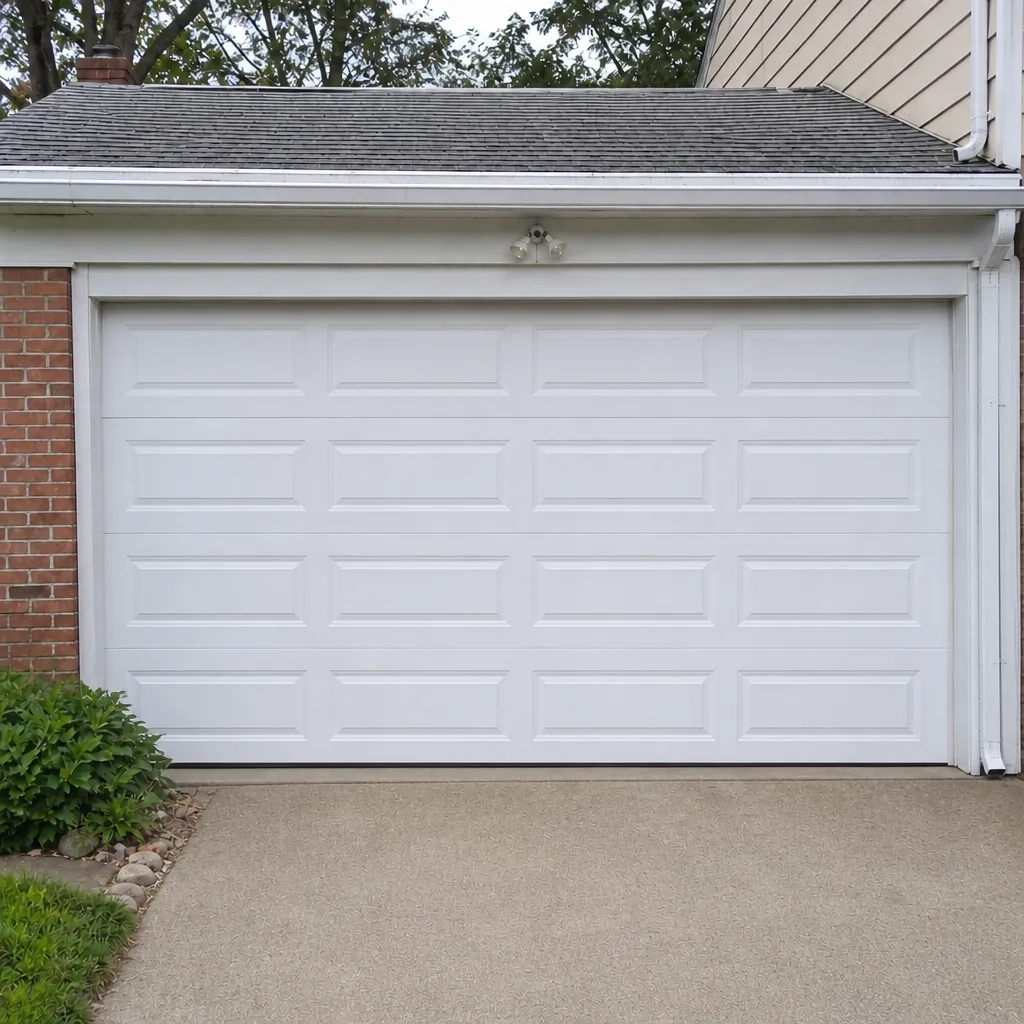 After
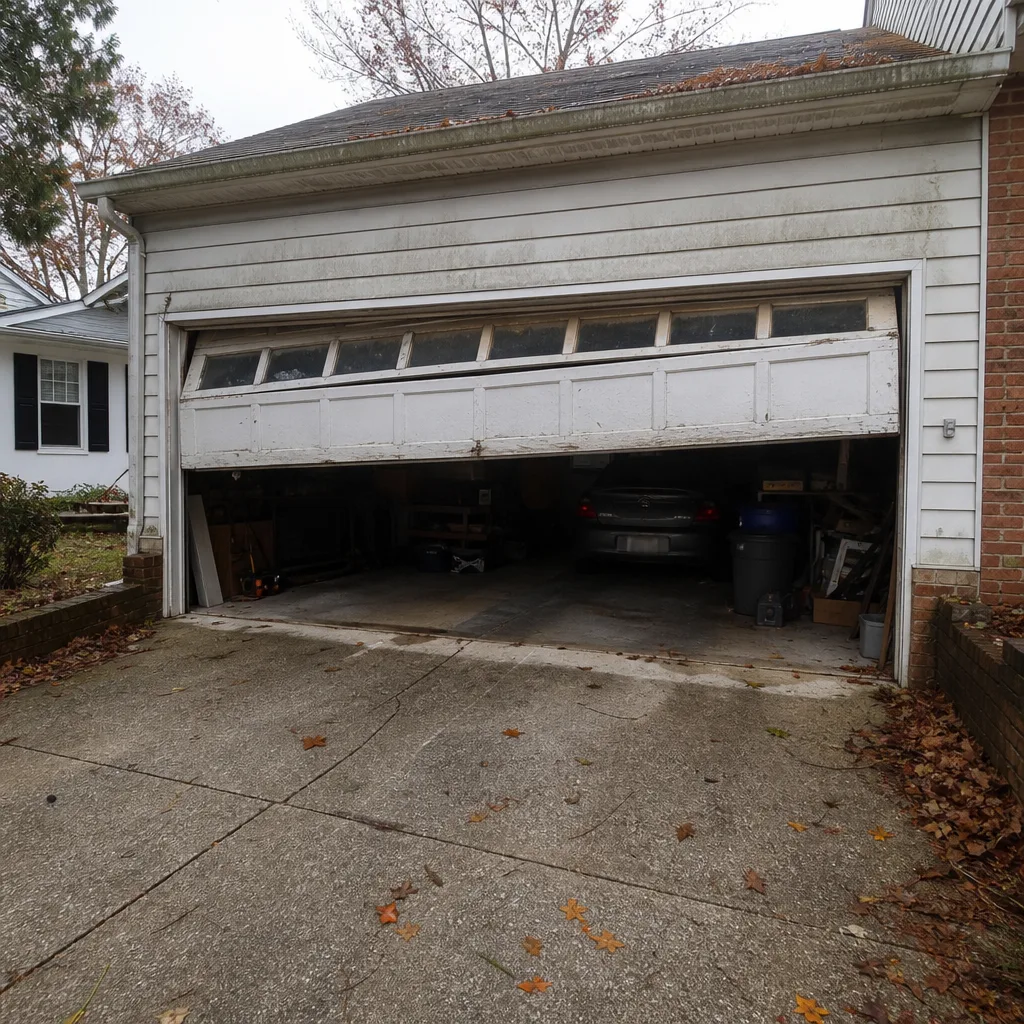 Before
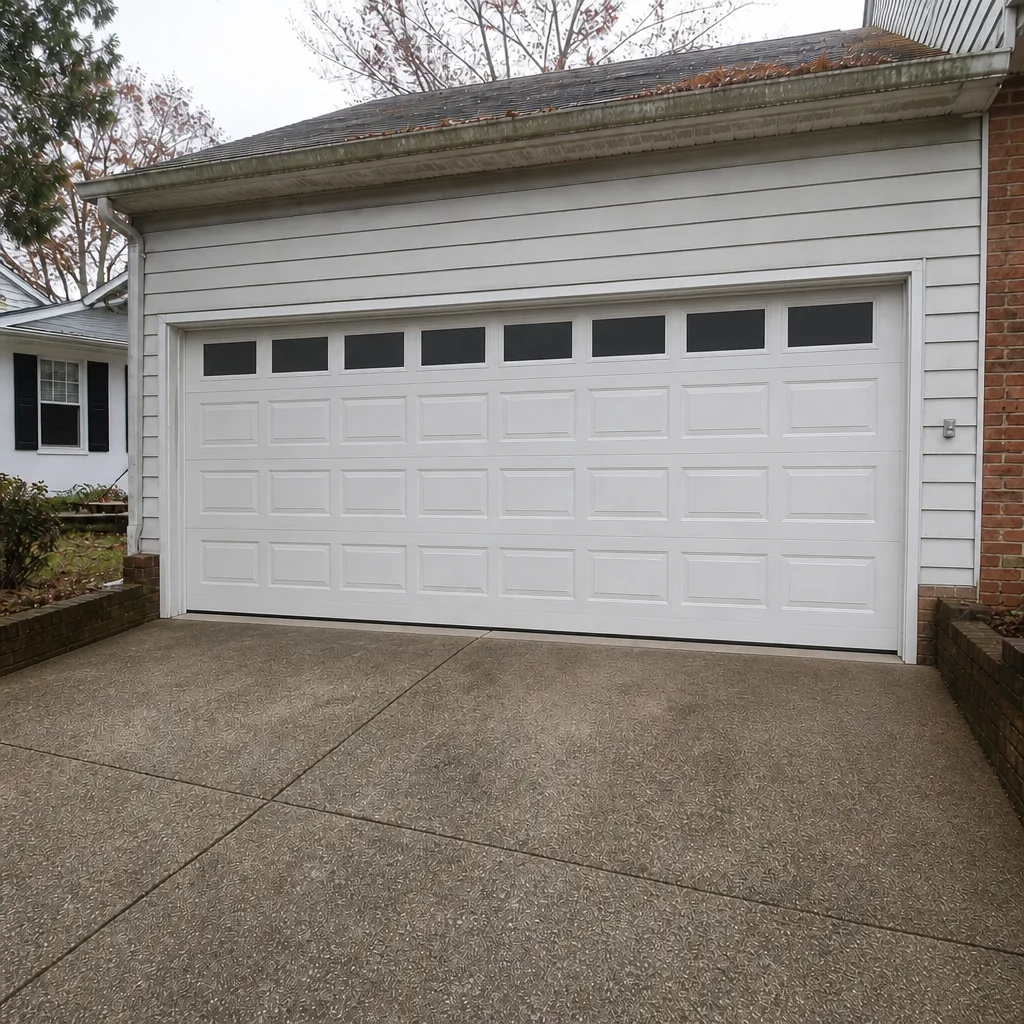 After
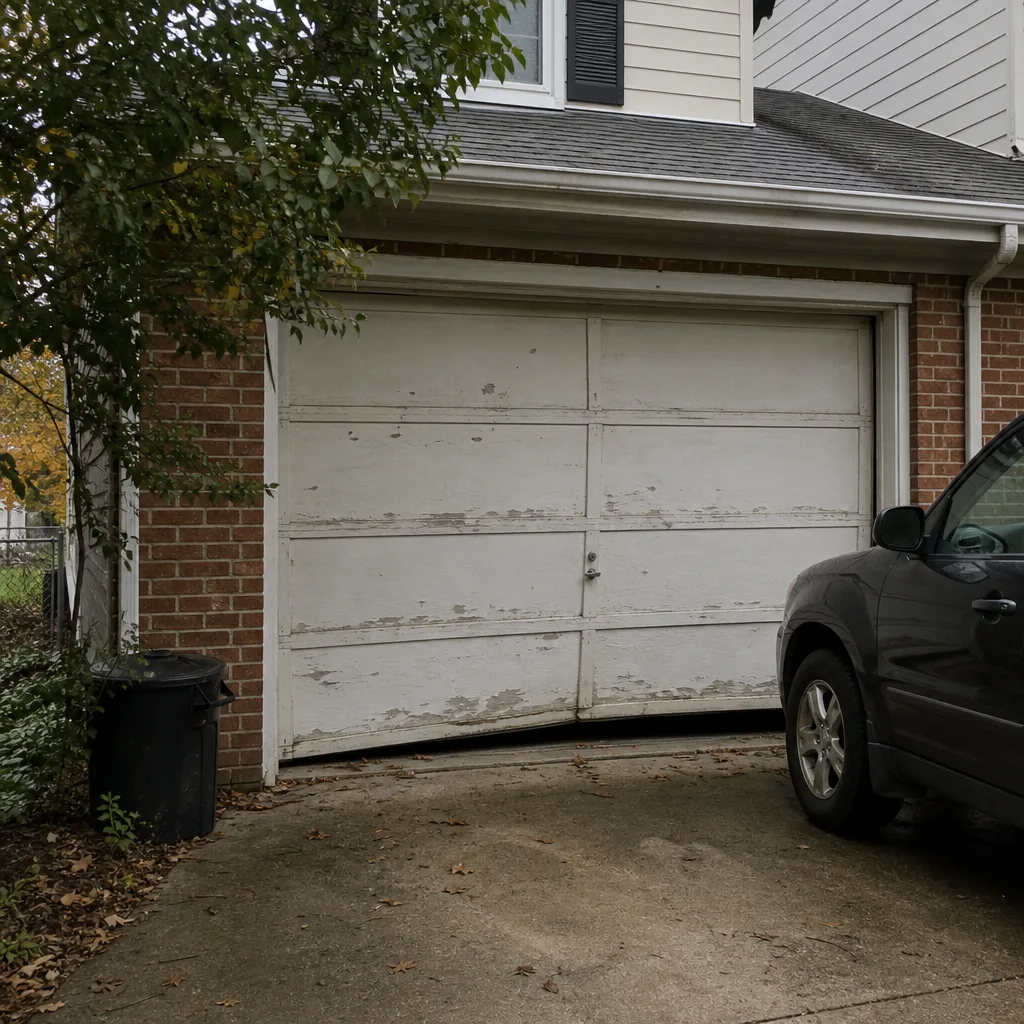 Before
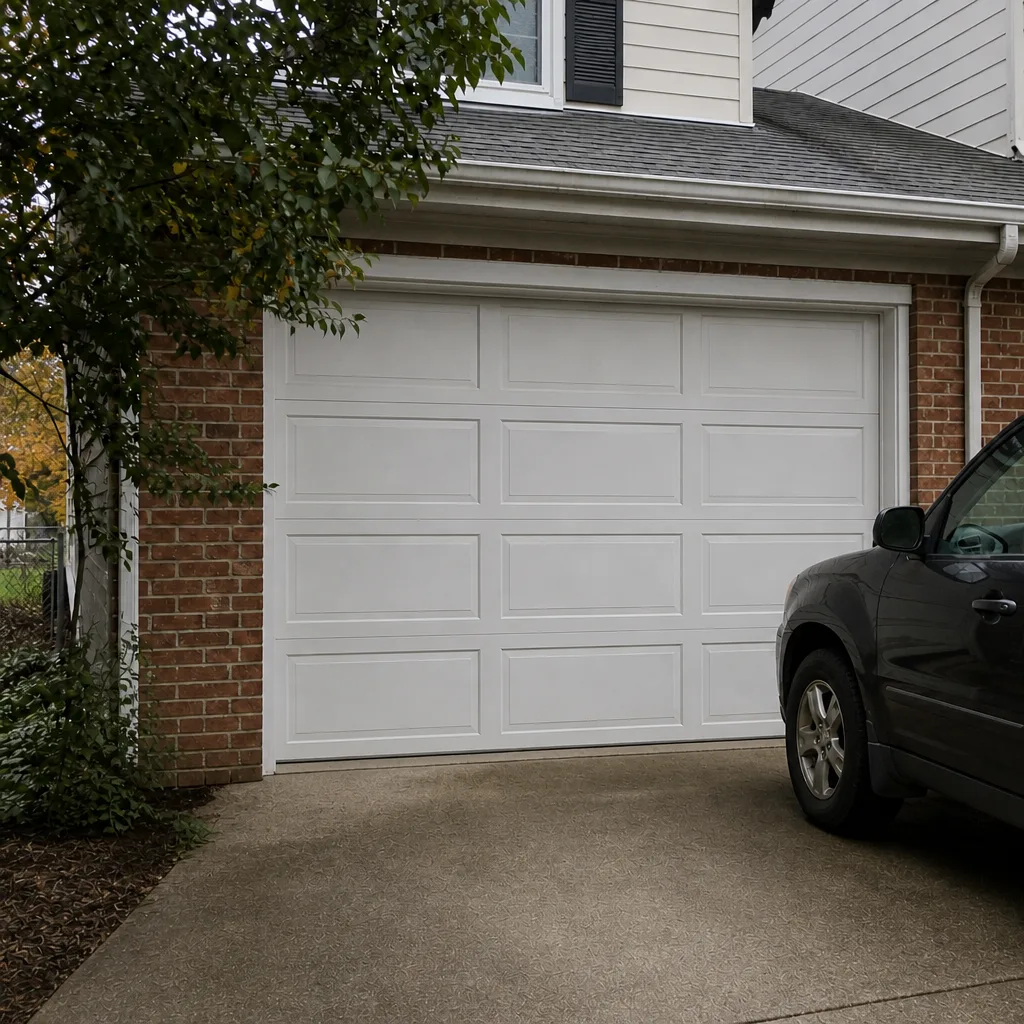 After
When to Call a Professional
Call a professional for any spring, cable, or opener-internal work, and for any door that’s unbalanced, binding, or dangerously heavy. A broken spring, a frayed cable, a track out of plumb, or an opener that reverses on its own are all repair jobs, not maintenance. If you’ve done the visual check and something doesn’t look right, that’s your cue. And if your door is due for a professional inspection, spring replacement, or a full assessment before the season turns, we can help. Towson Garage Door Repair Pros offers free estimates in Towson. Call (844) 931-3676. When the door won’t move, we do, and we’ll tell you plainly what it needs and what it doesn’t.
Frequently Asked Questions
A garage door should get a 90-second visual check monthly, lubrication and a balance test twice a year, and a professional inspection every two to three years. The twice-yearly timing should land in early fall and early spring, which are the right windows for Towson’s climate.
Lubricate in early fall and again in early spring. Fall timing matters most because it keeps the lubricant soft through the cold months, when stiff grease is what lets a spring snap. A summer application does far less good.
About 10,000 cycles, which is roughly seven years for a household that runs the door four times a day. Heavy use shortens that. Springs are the part that fails catastrophically, so check them at every seasonal inspection and replace them before they snap. Call (844) 931-3676 for a free estimate on spring replacement.
No. Torsion and extension springs store dangerous energy, and the cables alongside them are under serious tension. Adjusting or replacing them without training risks serious injury. This is a job for a technician, and a broken spring means the door should stay closed until it’s fixed.
It’s a quick floor-level walk-around with no tools: look at the springs for a gap, run the door and listen, watch its travel, check the cables and tracks, and glance at the weather seal. It catches most developing problems before they become repairs.
Correct maintenance helps protect warranty coverage, while improper work can void it. Using the wrong lubricant, adjusting springs yourself, or tampering with the opener’s force settings are the common ways people void coverage. Keep the work simple and correct, and document it.
The Bottom Line
A garage door doesn’t need constant attention. It needs the right attention at the right time. Do a 90-second visual check every month, lubricate and test the balance in early fall and early spring, and bring in a professional every two to three years for the parts you shouldn’t touch. The fall window matters most in Towson because cold weather is what turns a small problem into a snapped spring. Know the lifespan benchmarks for springs, cables, and rollers so you’re watching proactively, and avoid the mistakes that void warranties. Do that, and your door stays quiet and reliable through the seasons. If any part of the schedule is past due, a free estimate is the place to start.
Written by the team at Towson Garage Door Repair Pros.