Last updated November 21, 2026
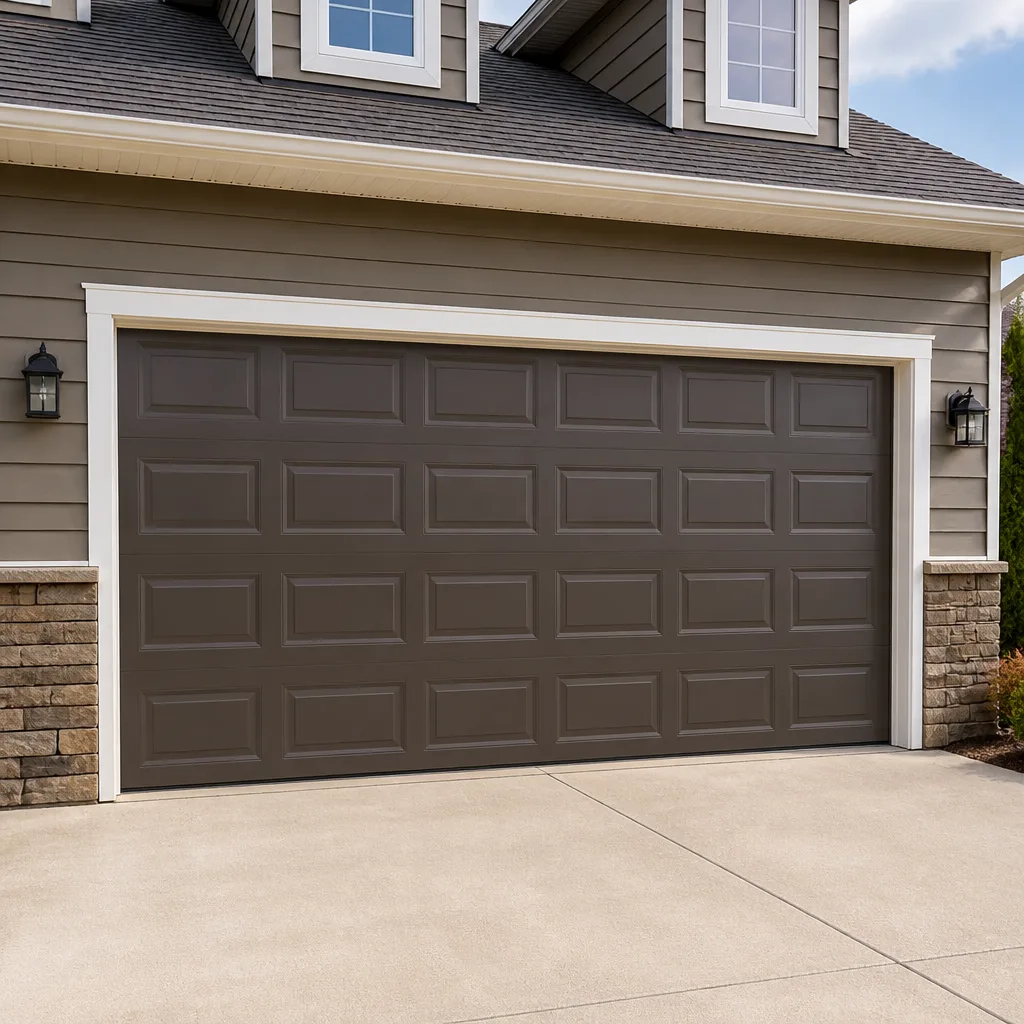 Raised-panel steel
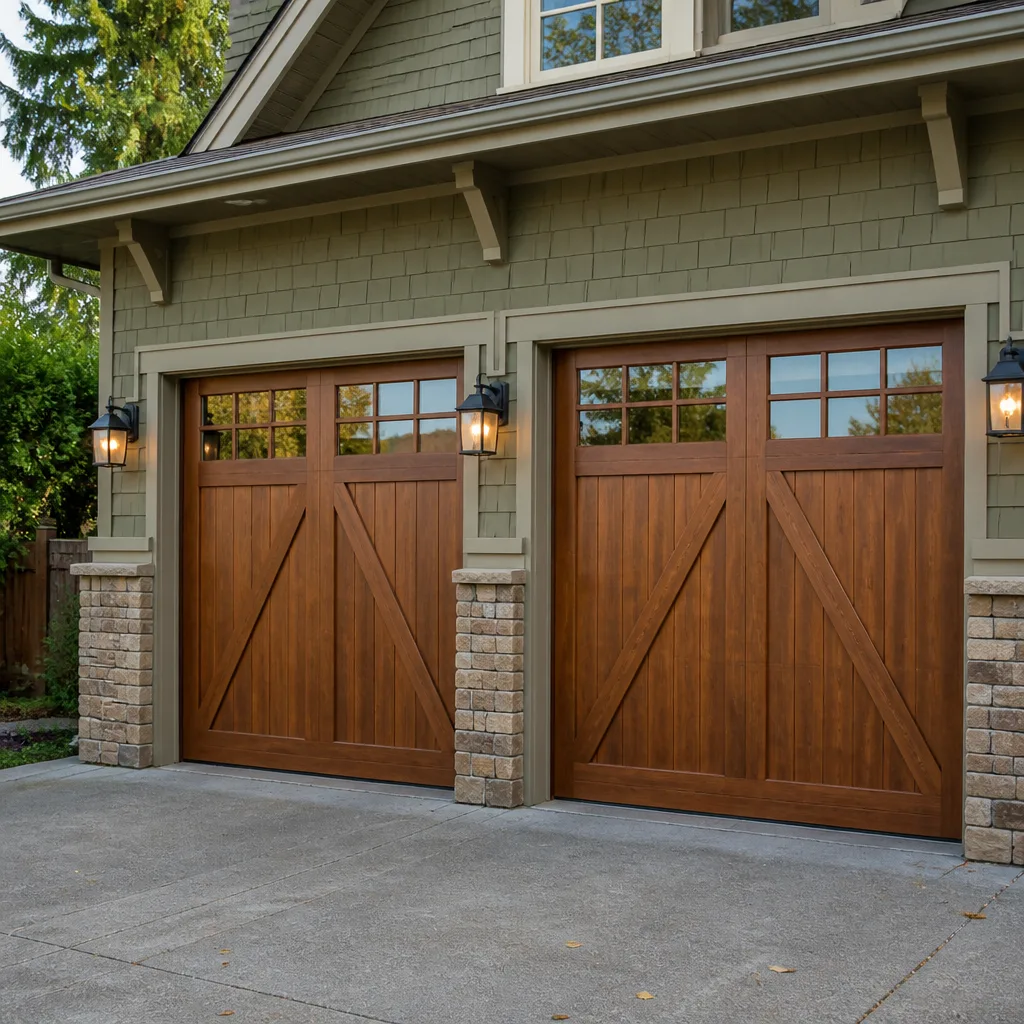 Carriage house
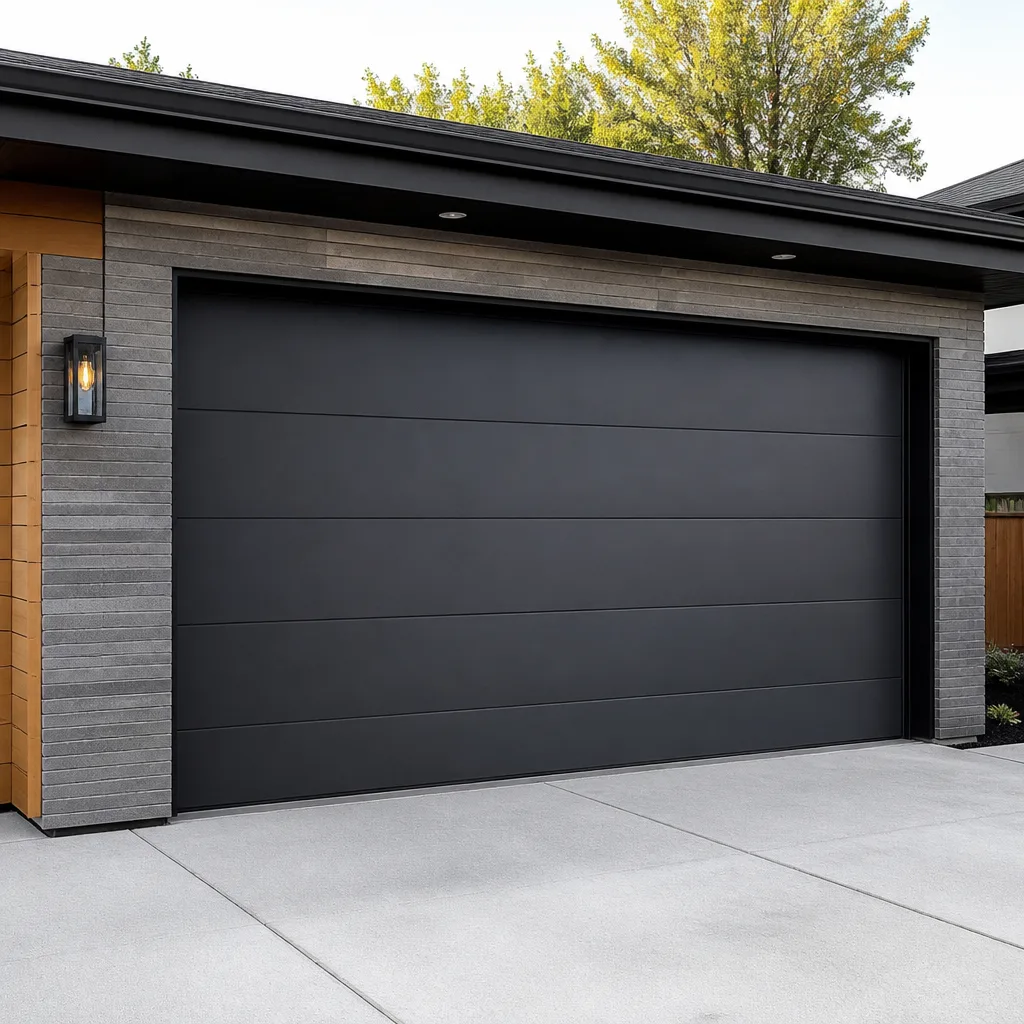 Modern flush
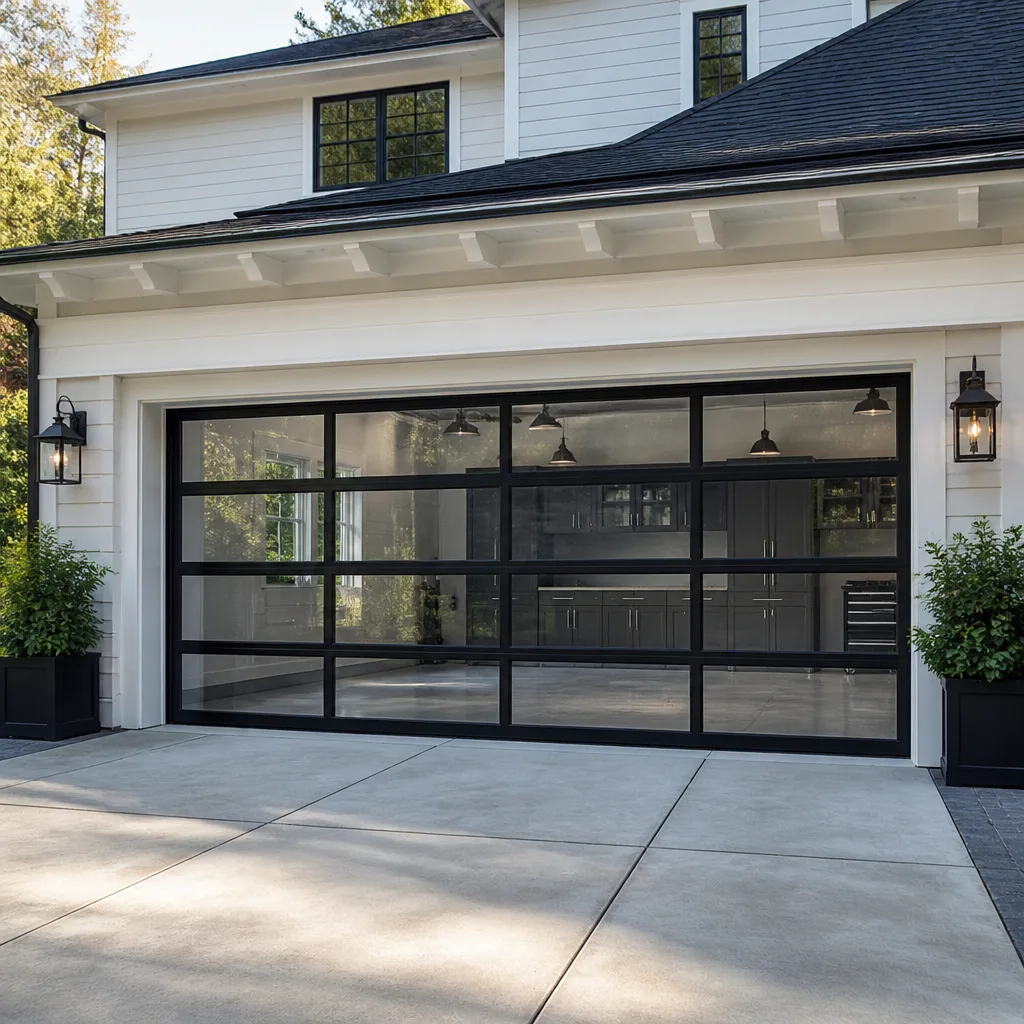 Full-view glass
 LiftMaster openers
 Chamberlain openers
Full 25-point door and opener safety check with every visit - springs, cables, rollers, tracks, and your LiftMaster or Chamberlain opener included
You get a price before we start. It does not change when the pro arrives.
Get your free estimateDIY vs Professional Garage Door: The Towson Homeowner’s Decision Guide
Most garage door advice splits into two useless camps: “it’s easy, just watch a video” or “never touch it, call someone.” Neither helps you decide. The truth lives in the mechanics. A torsion spring stores roughly 100 foot-pounds of torque when wound. That’s not a scare tactic. It’s the reason spring work has its own injury category in home repair statistics, and it’s the reason a sensor cleaning and a cable replacement should never appear on the same to-do list. This guide draws the line for Towson homeowners with a three-tier task list, a tool inventory, the real cost of DIY mistakes, and the warranty rules nobody tells you until it’s too late.
Quick Answer
Roughly 80 percent of garage door tasks in a Towson home are safe DIY work: lubrication, sensor cleaning, weatherstripping, tightening hardware and light track adjustment. The other 20 percent, including torsion springs, cables, bottom brackets and opener gear work, require specialty tools and carry real injury risk, so those belong with a trained technician. When in doubt, the deciding question isn’t cost. It’s whether the task involves stored energy or high-tension hardware. If it does, call a professional.
Styles & brands we work with
- Raised-panel steel
- Carriage house
- Modern flush
- Full-view glass
- LiftMaster openers
- Chamberlain openers
Table of Contents
- The Three-Tier Framework: What’s Actually Safe to DIY
- The Tool and Skill Inventory Before You Touch Anything
- Why Springs and Cables Sit in the Professional-Only Tier
- The Hidden Cost of DIY Mistakes in Towson
- How DIY Work Affects Your Manufacturer Warranty
- The Towson Scenarios Where DIY Makes Sense
- Openers and Smart Systems: A Different Kind of DIY
- A Decision Flow You Can Run in Five Minutes
The Three-Tier Framework: What’s Actually Safe to DIY
Garage door work isn’t one category. It’s three, and the split comes down to mechanical consequence, not difficulty. A task can be physically simple and still belong in the professional-only tier if releasing its stored energy can injure you. Use this tiering as your first filter before you buy a single tool.
Tier 1: Safe DIY
- Lubrication of hinges, rollers, and the torsion tube with a proper garage door lubricant (not WD-40, which attracts dust and doesn’t stay put).
- Safety sensor cleaning and alignment, including checking that the photo-eye LED is solid, not blinking.
- Weatherstripping replacement along the bottom seal and the sides, which takes an hour with a flathead and a new seal.
- Tightening loose hinge and bracket bolts with a socket set, done with the door closed so there’s no tension on the fasteners.
- Visual inspection for fraying cables, worn rollers, chipped paint, or daylight between the door and the frame.
Tier 2: DIY With Caveats
- Track adjustment, only the light nudging of a slightly out-of-alignment vertical track. Never the horizontal track, and never after a major impact.
- Roller replacement, which is manageable if you isolate one roller at a time with a C-clamp on the track, and you don’t have a torsion spring overhead under load.
- Panel replacement on a sectional door, doable on many Clopay and Amarr models if the model number is confirmed and you can remove section retainer hardware safely. If you can’t identify the exact model, don’t force it.
- Opener remote and keypad programming, which is straightforward for most LiftMaster, Chamberlain, Genie and Craftsman systems using the manual.
Tier 3: Professional-Only
- Torsion and extension springs, for the stored-energy reason explained below.
- Cables and bottom brackets, because both are under tension whenever the door is down.
- Track replacement or straightening of a bent horizontal track.
- Opener gear and motor work, and any electrical diagnosis at the motor head.
- Bearing plate, drum, and shaft work, all of which sit on the torsion tube.
Everything in Tier 3 involves a component that can move fast and hard if you release tension the wrong way. There’s no skill level that makes that safe outside a trained routine with the correct tools. If you’re unsure which tier a job belongs in, that uncertainty itself is the answer: call garage door repair and describe the symptom. We’ll tell you over the phone what tier it belongs in.
The Tool and Skill Inventory Before You Touch Anything
Most DIY injuries on garage doors happen because the homeowner owned 60 percent of the tools the job needed and improvised the rest. Before you start any Tier 1 or Tier 2 work, take an honest inventory. Here’s what an actual technician keeps on hand for a routine repair, and what you should have before attempting anything beyond lubrication.
- A proper torsion winding bar set (pair). Never substitute a screwdriver. Never substitute a socket extension. This is the single most important tool on the list, and it’s for a job you shouldn’t be doing in the first place.
- A socket set with the exact door hardware sizes (usually 7/16, 1/2, and 9/16).
- A C-clamp set for roller isolation and to lock the door in position on the track.
- A sturdy step ladder rated for your weight, placed on a level surface, not on a car hood.
- Safety glasses, worn the entire time. Cable and spring releases throw debris.
- Work gloves rated for cut resistance. Garden gloves are not enough around cables.
- Garage door lubricant, not general-purpose oil.
- A torque or tension gauge for verifying that a door is balanced before you make any adjustment.
Then the skill inventory. You should be able to answer yes to all of these before Tier 2 work:
- You can identify whether your door uses torsion (horizontal spring on a shaft above the door) or extension springs (springs running along the horizontal tracks).
- You know your door’s model and weight class, or you can find the label.
- You can lift the door by hand to shoulder height and feel whether it’s balanced when released at half travel.
- You understand what “loaded” means in a mechanical context.
- You have a second person available for any task that needs the door held.
If any of those is a no, stay in Tier 1 until you can. In our experience across Towson homes, most “small” garage issues start as Tier 2 and become Tier 3 the moment the homeowner realizes a spring or cable is involved. That’s not a failure of skill. It’s a failure of classification.
Why Springs and Cables Sit in the Professional-Only Tier
Garage door springs are the single most misunderstood part of the whole system. A torsion spring isn’t just a metal coil. It’s a stored-energy device holding the full weight of your door, and it’s wound to a precise number of turns for the door’s specific weight. When it fails, it fails instantly and with force. This is the reason every responsible garage door association and injury-tracking body treats spring work as its own category of risk, and the reason we treat garage door spring repair as a named service rather than an add-on.
What actually happens when you DIY a spring
- The rod slips. Winding bars exist because they fit the winding cone precisely. A screwdriver or hex key doesn’t. When it slips, the spring releases in a fraction of a second.
- One spring, not two. Most double-spring doors must be de-tensioned in a specific order. Skip one and the shaft spins.
- Wrong spring wire gauge. A spring rated for a heavier door won’t cycle the same way. It can break within weeks or fail to lift the door at all.
- Improperly seated cables. A cable that isn’t correctly seated in the drum can pop free once the door cycles under tension.
- Missing safety cables on extension springs. Extension springs without safety cables through the middle can become projectiles when they fail.
If a spring snaps in a Towson home, the door is likely stuck, sometimes partially open, and it needs to be handled as an emergency. When the door won’t move, we do. That’s not bravado. It’s the reason a snapped spring is one of the few scenarios where same-day service matters. A stuck door can leave a car trapped, or a home open to the street overnight.
Safety caveat, stated plainly: do not attempt to release, unwind, or “test” a torsion spring, and do not cut or loosen a cable under tension. Both can cause serious injury regardless of how careful you are. Leave them to a trained technician with the right tools.
The Hidden Cost of DIY Mistakes in Towson
The DIY math is tempting: no service call, no labor. But the math changes once a mistake compounds. A miswound spring, a misaligned horizontal track, or a bent panel from a bad roller replacement usually costs more to unwind than the original repair would have cost to do correctly. The real cost shows up in three places.
1. Re-doing the same job plus the damage
A spring installed with the wrong wind count will break again fast. A track that gets “adjusted” out of alignment can bend the door’s panel seams on the next cycle. What started as one repair becomes two, and sometimes three. Typical Towson spring repair estimates run in the low-to-mid hundreds for a single torsion spring, with a matched pair roughly double. A miswound spring that also bends the torsion tube or strips a drum pushes the job into a higher bracket.
2. Secondary damage to the door and opener
A door that’s unbalanced (as it will be after a bad spring or cable fix) works the opener far harder than it should. That strain lands on the opener’s gear, chain, belt, or motor, and it shows up weeks later as a new symptom the homeowner doesn’t connect to the original repair. Misalignment also wears rollers on one side, which is why we see so many doors in Towson with an oddly short roller lifespan.
3. Time and the second phone call
The honest hidden cost is the time. A homeowner spends a weekend on a job that goes sideways, then calls a technician anyway, with the door in a worse state than when they started. Every Towson job we see that’s been previously DIY’d adds about 30 to 60 minutes of unwinding the mistake before the actual repair can begin, and that time is built into the quote.
The way to avoid all of this isn’t to skip DIY. It’s to know where the line is. Anything that involves stored energy goes to a professional. Everything else is fair game.
How DIY Work Affects Your Manufacturer Warranty
Manufacturer warranties on openers and door systems are specific about what they cover and what they don’t. Most don’t cover parts you installed, and many don’t cover damage caused by improper installation or adjustment. If you modify or repair a component and something else fails as a result, you’ll usually find the claim denied, not because the manufacturer is unfair, but because the terms are strict about the chain of causation.
Here’s the practical breakdown for the brands you’re most likely to own in Towson:
- Openers (LiftMaster, Chamberlain, Genie, Craftsman). Motor and circuit board warranties usually survive if you only changed a remote battery or re-paired a keypad. They usually don’t survive if you touched the gear assembly, replaced the logic board yourself, or hung the unit without proper bracketing.
- Doors (Clopay, Amarr, Wayne Dalton). Panel finish warranties typically don’t cover damage from a misaligned track, a bad roller, or impact. Section replacement you do yourself may void the finish warranty on that section, even if you order the exact panel.
- Springs and cables. These are usually covered as components under a very limited window. Any work done outside a technician typically ends the coverage on the component immediately.
The safest rule: only DIY the tasks that don’t involve removing or reinstalling a component the manufacturer warrants. Lubrication, cleaning, and tightening are safe. Anything you have to unbolt and re-hang is likely to void the warranty on that part. If your opener is still under warranty and acting up, keep the receipt and let a trained technician diagnose it. We work on LiftMaster, Chamberlain, Genie, Craftsman and every other major legacy and smart system, so the warranty-friendly path is a single call.
The Towson Scenarios Where DIY Makes Sense
Towson homes present a few recurring garage door patterns that make DIY genuinely worthwhile. Not everything needs a service call, and pretending otherwise wastes your money. Here’s where we tell readers to roll up their sleeves.
Weatherstripping and bottom seal replacement
Damp swings, summer thunderstorms, and the freeze-thaw cycles along the 21204 and 21286 corridors work on the bottom seal year after year. A worn, cracked, or flattened seal lets water in and drives up winter heating cost. Replacing a bottom seal is a one-hour job with a flathead, a new T-end or bulb seal sized to your door, and a bit of patience. It’s one of the few garage door repairs where DIY genuinely saves real money.
Lubrication
Towson homes tend to see more roller wear on the south-facing (sun-loaded) side of the door, which absorbs heat through the summer and drives thermal expansion on the panel seams. A twice-a-year lubrication of hinges, rollers, and the torsion tube (with garage door lubricant, not motor oil) is free to DIY and extends roller life.
Sensor cleaning and alignment
Photo-eye dust and spider webs are the #1 cause of a door that reverses right after starting to close. A quick wipe of both sensor lenses with a microfiber cloth and a visual check for alignment fixes it 80 percent of the time. If it doesn’t, an opener repair call is worth it before you start replacing sensors.
Standard opener remote and keypad programming
Re-syncing a LiftMaster remote or reprogramming a Craftsman keypad is a manual-and-button job. Ten minutes, no tools.
When DIY Doesn’t Fit Towson (Even When It Looks Small)
The Towson scenarios where DIY is a mistake usually look small on the surface. A door that’s suddenly heavy to lift by hand isn’t “a little stiff.” It’s a failing spring or cable, and lifting it manually adds strain the system is no longer designed to take. A door that’s started to close crookedly isn’t “a track thing.” It’s usually a drum or cable on one side, and the correct fix reuses parts you can’t safely source without confirming the door model.
Older Towson homes with single-panel tilt-up doors, particularly around the Wiltondale and Rodgers Forge areas, are a special case. Those doors carry different hardware, sometimes extension springs with safety cables, sometimes a jamb-mounted configuration. If your door is a tilt-up and not a sectional, treat any adjustment beyond lubrication as a professional call. The geometry is different, and small mistakes carry bigger consequences.
The safe boundary is simple:
- Door moves freely, is easy to balance by hand, and one component is worn: safe DIY.
- Door is heavy, crooked, jerking, or a spring or cable is involved: professional.
- Door won’t open or close at all, or the car is trapped: emergency, not a weekend project.
Openers and Smart Systems: A Different Kind of DIY
Openers get their own tier because the danger profile is different. There’s electrical line voltage, but not stored mechanical energy in the same way. That means some opener work is genuinely fine for a homeowner, and some of it isn’t. The dividing line is whether you’re removing the opener from the rail or opening the motor head.
Safe opener DIY
- Programming or re-pairing remotes and wall consoles.
- Adjusting the open and close force limits using the opener’s own trim pots or app settings (on most LiftMaster, Chamberlain and Genie units).
- Replacing the battery in the wall console or a wireless keypad.
- Adding a Wi-Fi or MyQ-style controller to an existing compatible opener.
Professional-only opener work
- Replacing the logic board, capacitor, or motor.
- Replacing the drive gear or sprocket (a common failure on older Craftsman and Genie units).
- Re-hanging the unit after a mount failure.
- Any situation where the opener won’t lift a door that balances by hand, because that’s a door problem pretending to be an opener problem.
That last one is worth pausing on. Homeowners frequently call us convinced the opener is dead when the actual issue is a spring or a bent track. If the door is heavy by hand, the opener is being asked to lift it without the spring’s help. That WILL burn out the motor eventually. Diagnosing a motor problem on a door that isn’t balanced is a mistake we see often. Get the door balanced first, then judge the opener. That’s why we keep garage door opener repair and the door-side repair under the same service.
Smart-home-compatible openers raise the stakes on DIY. App-paired systems (LiftMaster MyQ, Chamberlain MyQ, Genie Aladdin Connect, and newer Craftsman models) keep firmware and pairing state on the logic board. Yanking the board to self-diagnose wipes that pairing, and re-establishing it is a call-you-anyway scenario. The brand-fluency rules matter here: we know how each of these systems is organized because we work on all of them, and that means the technician arrives once, knows what to do, and finishes.
A Decision Flow You Can Run in Five Minutes
Here’s the sequence we recommend Towson homeowners follow whenever their garage door acts up. It’s the same internal check our technicians run before they touch a door.
- Test the door by hand with the opener disconnected. Disengage the manual release, lift the door to half travel, let go. A balanced door holds. A heavy-door that drops is a spring or balance problem.
- Inspect for visible damage to springs and cables. Look for a clear gap in a torsion spring, kinked or frayed cables, or a broken extension spring. If you see any of those, stop. No further DIY step.
- Check the safety sensors. Are both LEDs solid? Is anything blocking the beam? Wipe the lenses.
- Check the opener display or LED codes. Most major systems flash a code that maps to a specific diagnostic. If you have the manual, look it up.
- Match the symptom to a tier. If it’s Tier 1 or a safe Tier 2, proceed. If it’s Tier 3, stop and call.
- Write down what you observe. “Won’t close, LEDs solid, door balanced, opener flashes 10 times” is a much faster diagnostic than “it doesn’t work,” and it saves you labor time on the call.
This flow is also the reason we can quote over the phone so quickly. When you’ve done steps 1 through 4, a Towson technician can tell you the likely cause before they arrive, and the visit becomes a repair, not a diagnostic. Same visit, full fix. That’s also the reason we cover the full service spectrum. Springs, openers, panels, full doors. One call covers it.
See the difference
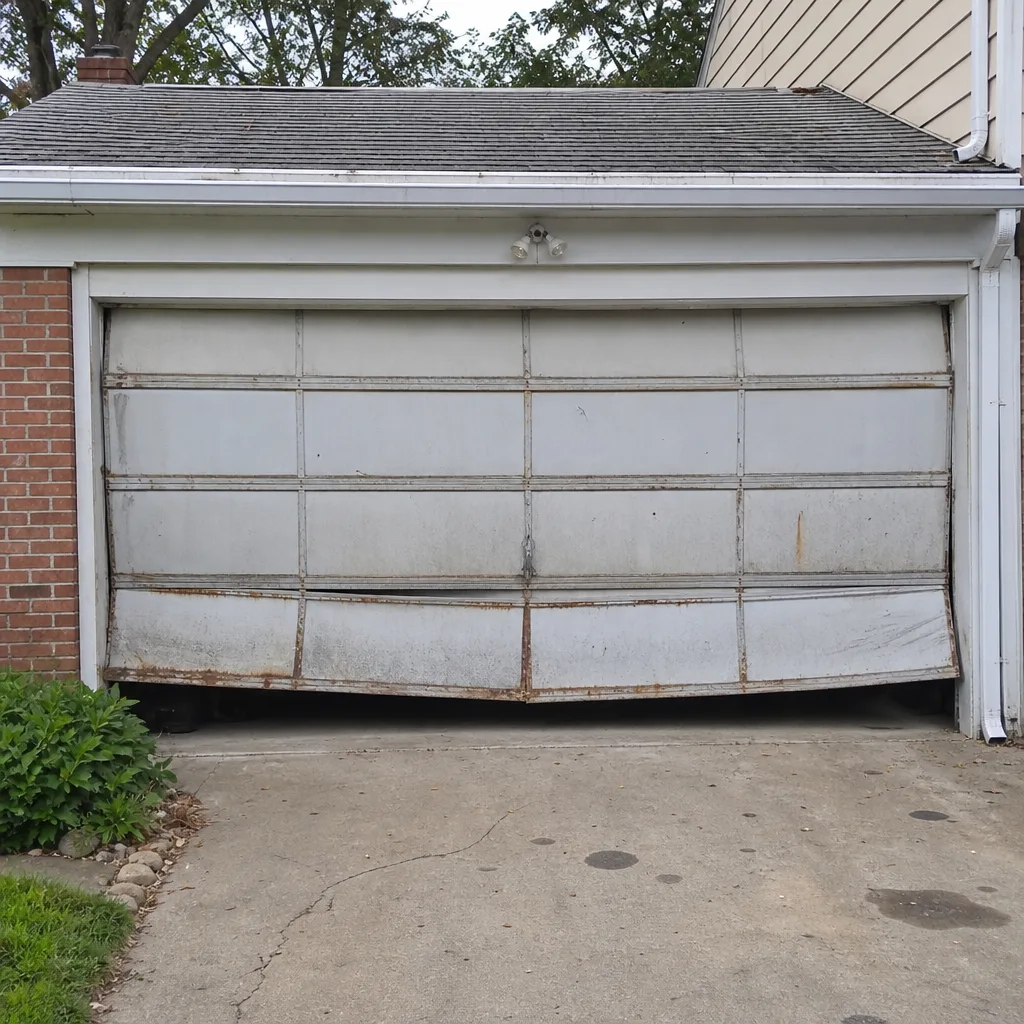 Before
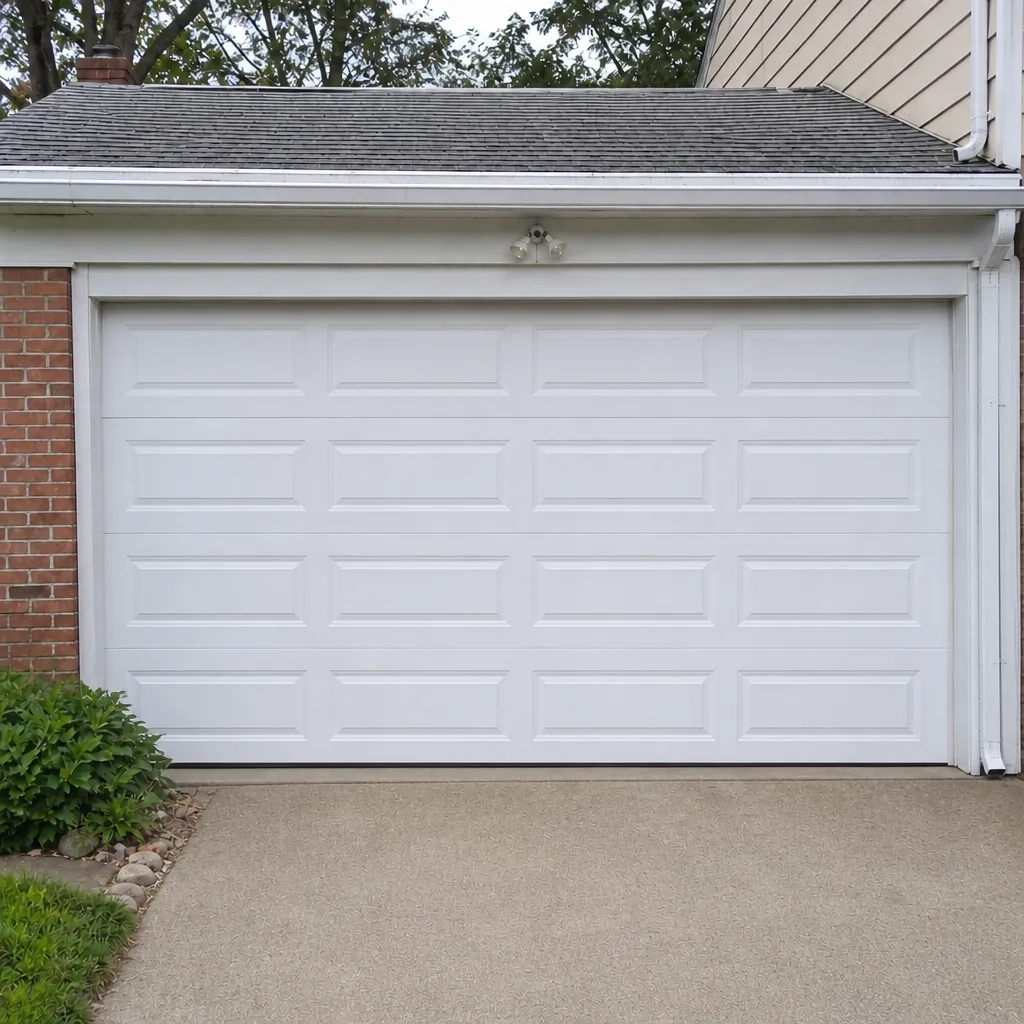 After
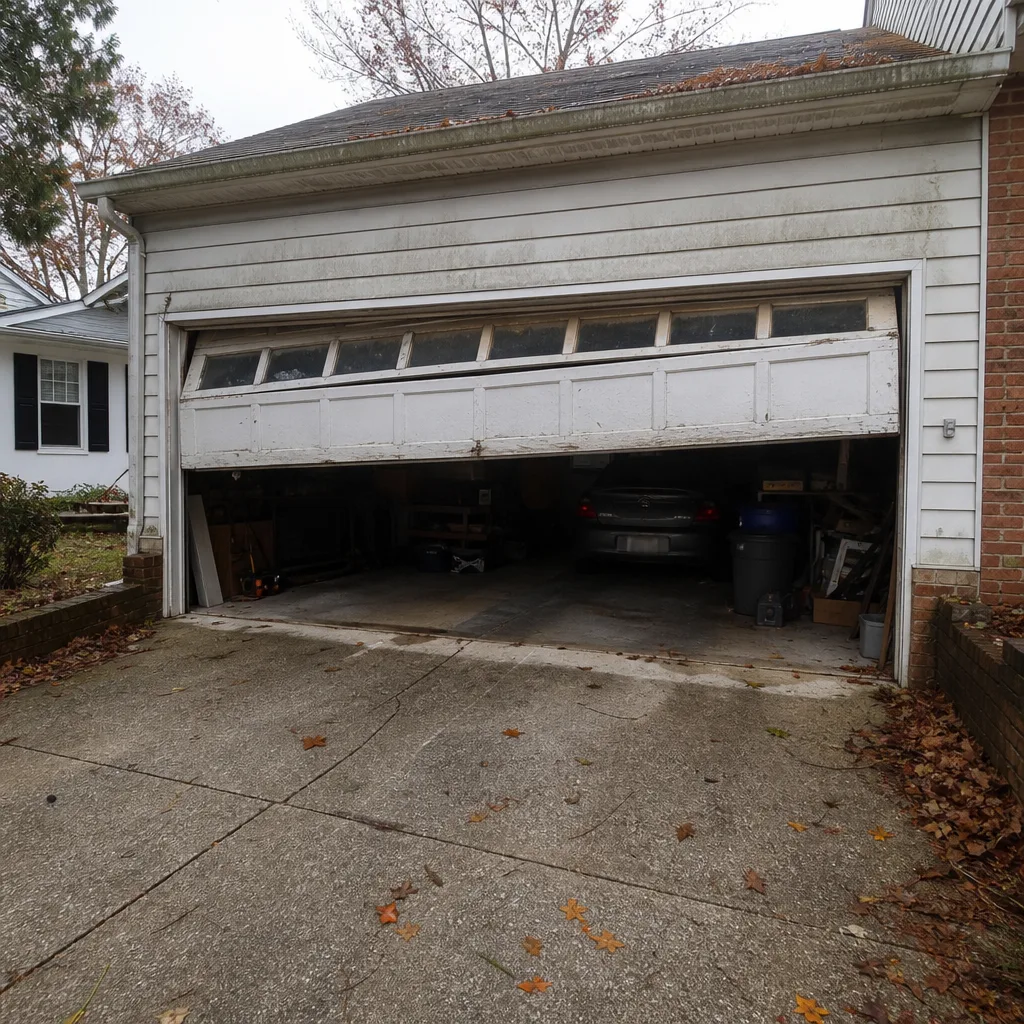 Before
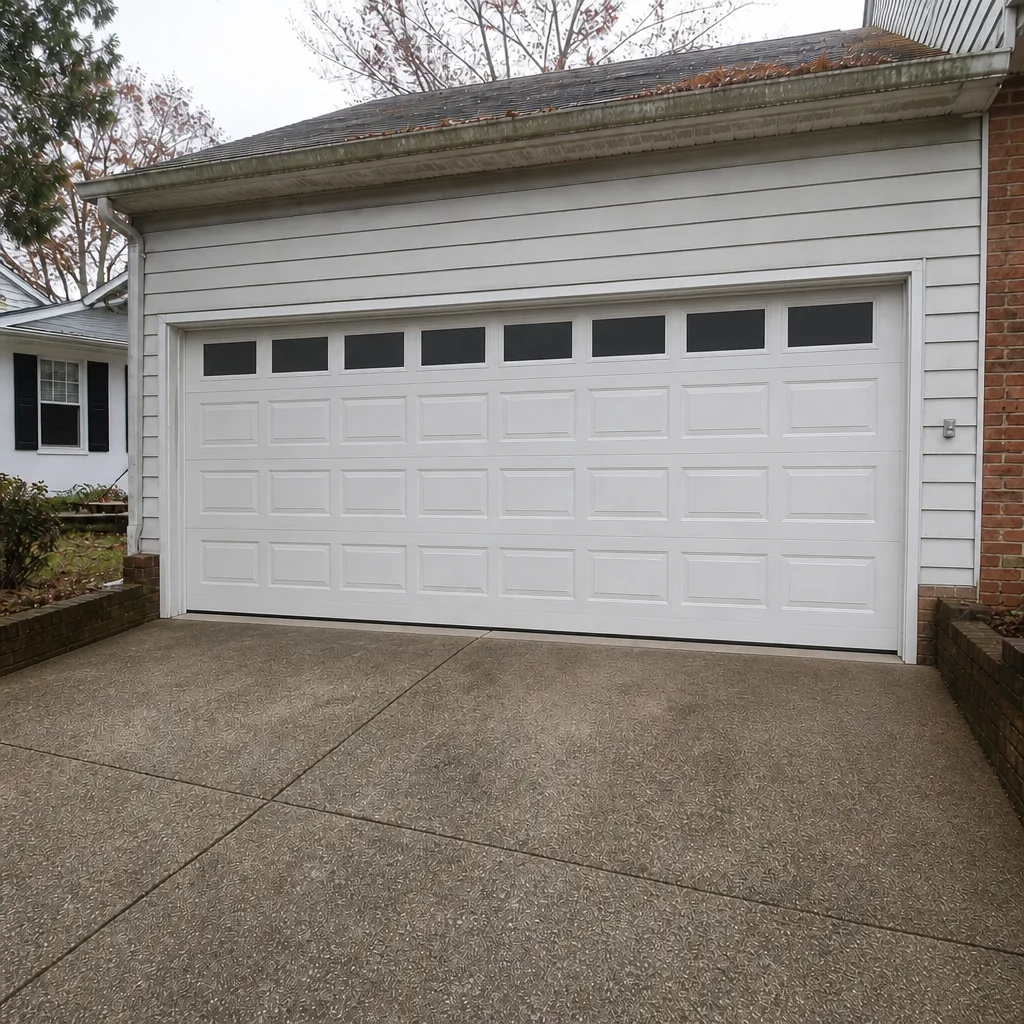 After
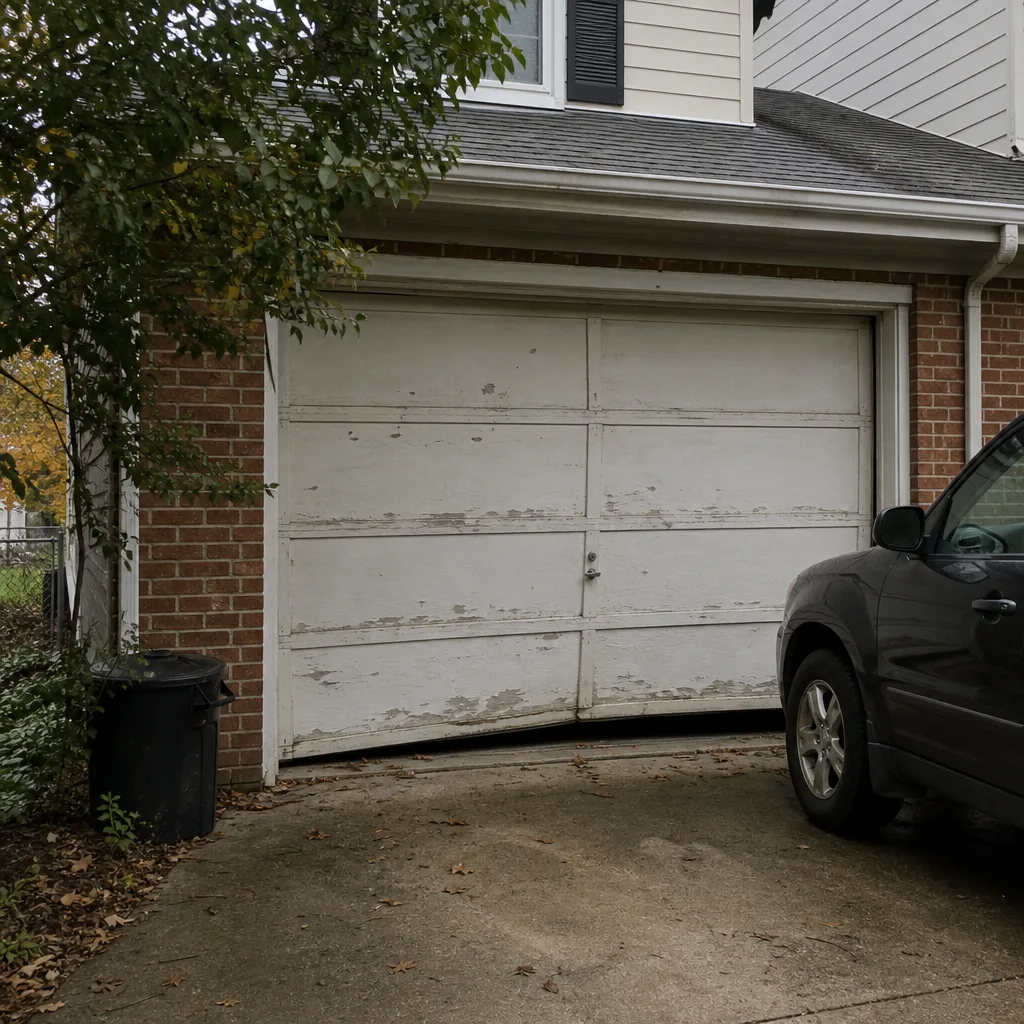 Before
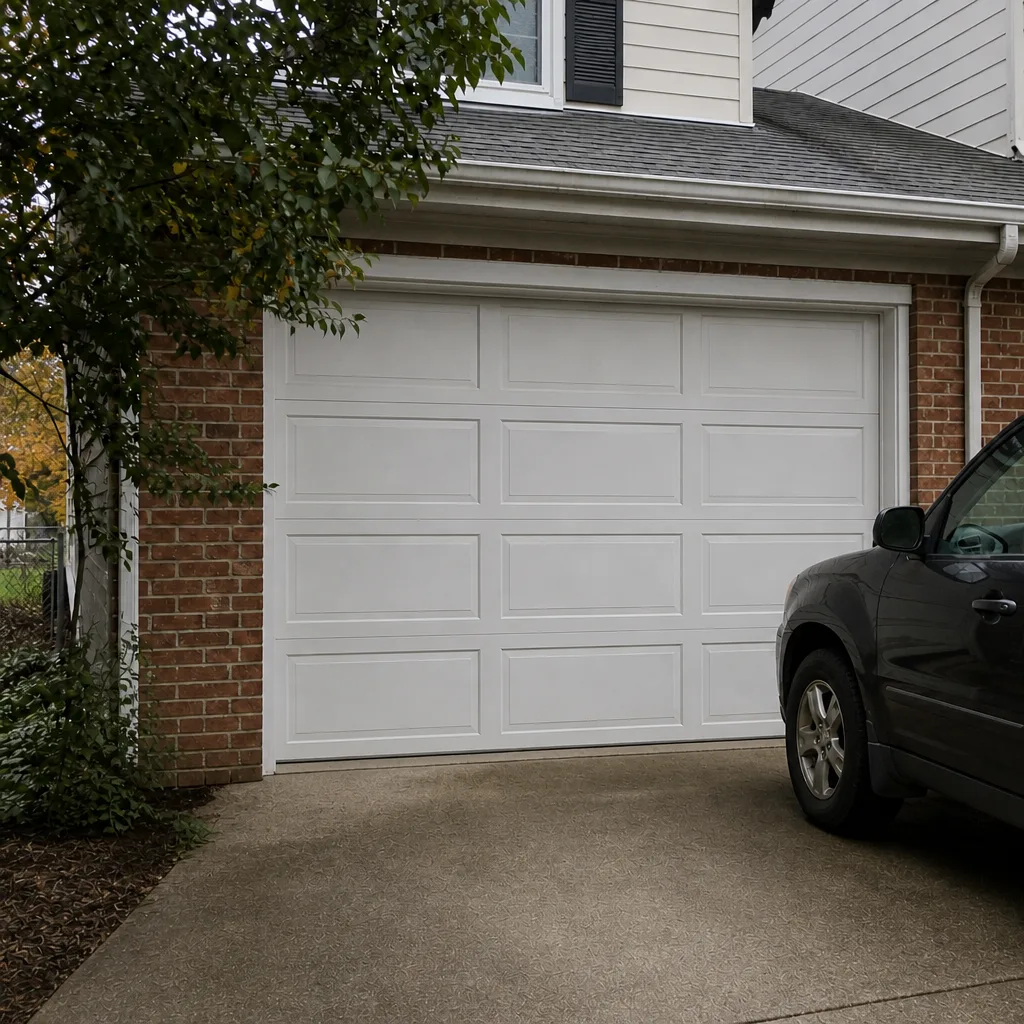 After
Common Mistakes to Avoid
- Using a screwdriver or hex key as a winding bar. It’s the single most common pre-injury mistake on a torsion spring. The bar slips, the spring releases, and the injury happens fast. No job is worth that substitution.
- Lubricating with WD-40 or motor oil. Both attract grit and dry out the hinge pins. Over time they accelerate roller wear, especially on the sun-loaded side of a Towson door. Use a garage door lubricant.
- Tightening hinge bolts with the door up. Any fastener on a loaded door should be tightened with the door closed and no tension on the bracket. Doing it with the door up can strip the bolt or move the hinge out of position.
- Straightening a bent track by eye. Horizontal track alignment is a mechanical spec, not a visual one. Eyeballing it usually bends the door’s panel seams on the next cycle.
- Replacing one spring when both are the same age. Matched springs wear together. Replacing one and leaving the other puts the older spring under more load, and it usually fails within weeks. Pairs get replaced as pairs.
- Unplugging and re-plugging the opener repeatedly to “reset” it. On many smart-compatible models this wipes the pairing state and forces a re-link to the app. If the opener’s misbehaving, use the display code instead.
- Ignoring a slow, creeping close that started after a light bump. That’s usually a sign of a misaligned track or worn drum, and it gets worse fast. Address it before it becomes a stuck door.
When to Call a Professional
Call a professional the moment any of these are true: a torsion or extension spring is broken, a cable is kinked or slack, the door is heavy to lift by hand, the door is off its track, the bottom bracket is loose, an opener has failed to lift a balanced door, or any electrical work at the motor head is needed. Call immediately if the door is stuck open or shut and a car or family member is trapped, or if the door is the only barrier between your home and the street. Towson Garage Door Repair Pros offers free estimates in Towson. Call (844) 931-3676. We work on your brand across LiftMaster, Chamberlain, Genie, Clopay, Amarr, Wayne Dalton, Craftsman and Raynor, so there’s no referral-out for the door, the opener, the spring, or the panel. We’ll quote the job before we start it, and the written estimate sets the final price. If it belongs in your DIY tier, we’ll tell you that too.
Frequently Asked Questions
No. Garage door spring replacement should always be done by a trained technician, in Towson or anywhere else. A torsion spring holds the full weight of the door under tension, and winding or unwinding it requires the correct pair of winding bars, the right wire gauge for your door, and specific tension settings. A slip on a winding bar releases stored energy in a fraction of a second, which is why spring work carries real injury risk regardless of a homeowner’s skill level. If a spring has failed, call (844) 931-3676 for a free estimate before you buy a replacement part.
Typical Towson garage door repair estimates for common jobs run in the low hundreds for standard items like roller, sensor, or weatherstrip work, and roughly double that for a spring pair when both springs are replaced together. A single torsion spring is priced per spring. Opener work runs by component and brand. Installation is quoted after a measure, so the number depends on door size and model. Every quote is written and agreed before any work starts, and the written estimate is the price. Call (844) 931-3676 for an exact quote; estimates are free.
Usually on the component you touch, yes, and sometimes on related parts if the warranty can trace failure to the DIY work. Motor and board warranties on LiftMaster, Chamberlain, Genie, and Craftsman openers typically survive remote and sensor-level work but not logic board, gear, or motor replacement done outside a technician. Door finish warranties on Clopay, Amarr, and Wayne Dalton panels are usually void on any section you replace or damage yourself during a repair. Lubrication, cleaning, and tightening the existing fasteners usually don’t affect warranty. Anything that requires unbolting a warranted component is worth checking first.
Yes. A stuck door is an emergency scenario, and we offer same-day emergency garage door service across Towson. When the door won’t move, we do. A door stuck open leaves the home exposed, and a door stuck closed traps the car and can block family access. Call (844) 931-3676 with the symptom and the brand of opener if you know it. Dispatch runs from 7am to 7pm. If a door fails on a Saturday, call and we’ll book you for Sunday. The technician arrives equipped to diagnose the specific system you have, so the fix usually happens in one visit.
No, not for the agreed scope. The quote you’re given before work starts is the price for the job as described. If the technician finds additional damage that changes the scope (for example, a bent track under a bad spring, or a stripped opener gear behind a door that was already heavy), you’ll get a new written estimate before that additional work proceeds. Nothing gets added to your invoice without your approval. That’s the whole point of a written quote.
The local professionals we connect you with are licensed and insured as their state requires, and they’re experienced across the major brands. Our technicians have up to 13 years of experience. We work on LiftMaster, Chamberlain, Genie, Clopay, Amarr, Wayne Dalton, Craftsman, and Raynor systems, legacy and smart-home-compatible alike.
The Bottom Line
The DIY-versus-pro question on garage doors isn’t really about difficulty. It’s about stored energy. If a task involves a spring, a cable, or a bottom bracket, the answer is professional, full stop. If it involves lubrication, weatherstripping, a sensor, or a remote, it’s yours to do. Everything in between needs a mechanical reason, and that’s what the three-tier list above gives you. Towson homeowners in older homes with tilt-up doors, or in newer builds with smart openers, still run the same decision flow. When the door is heavy, crooked, or stuck, that’s an emergency call. Springs, openers, panels, full doors, one call covers it. If you’re on the fence after reading this guide, call (844) 931-3676 for a free estimate. We’ll tell you honestly whether the job is DIY or ours.
Written by the team at Towson Garage Door Repair Pros.