Last updated November 21, 2026
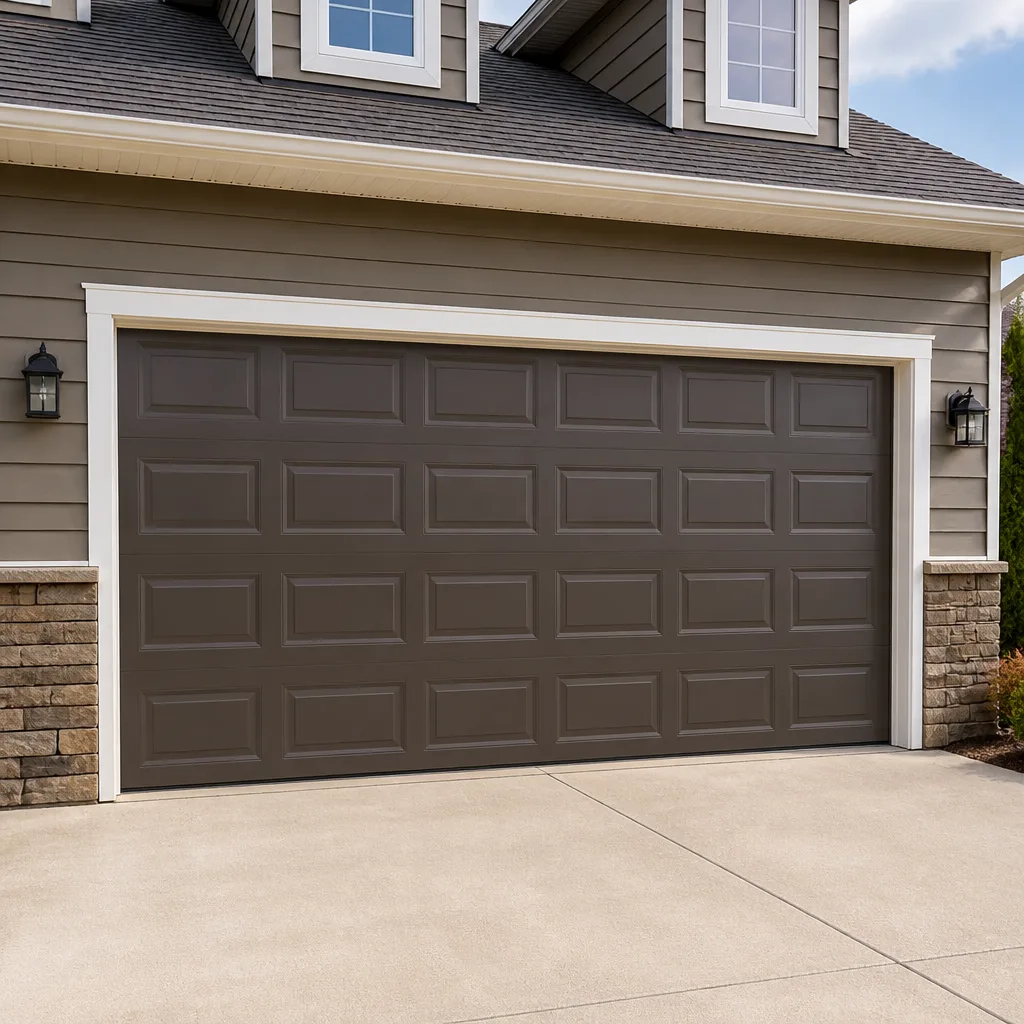 Raised-panel steel
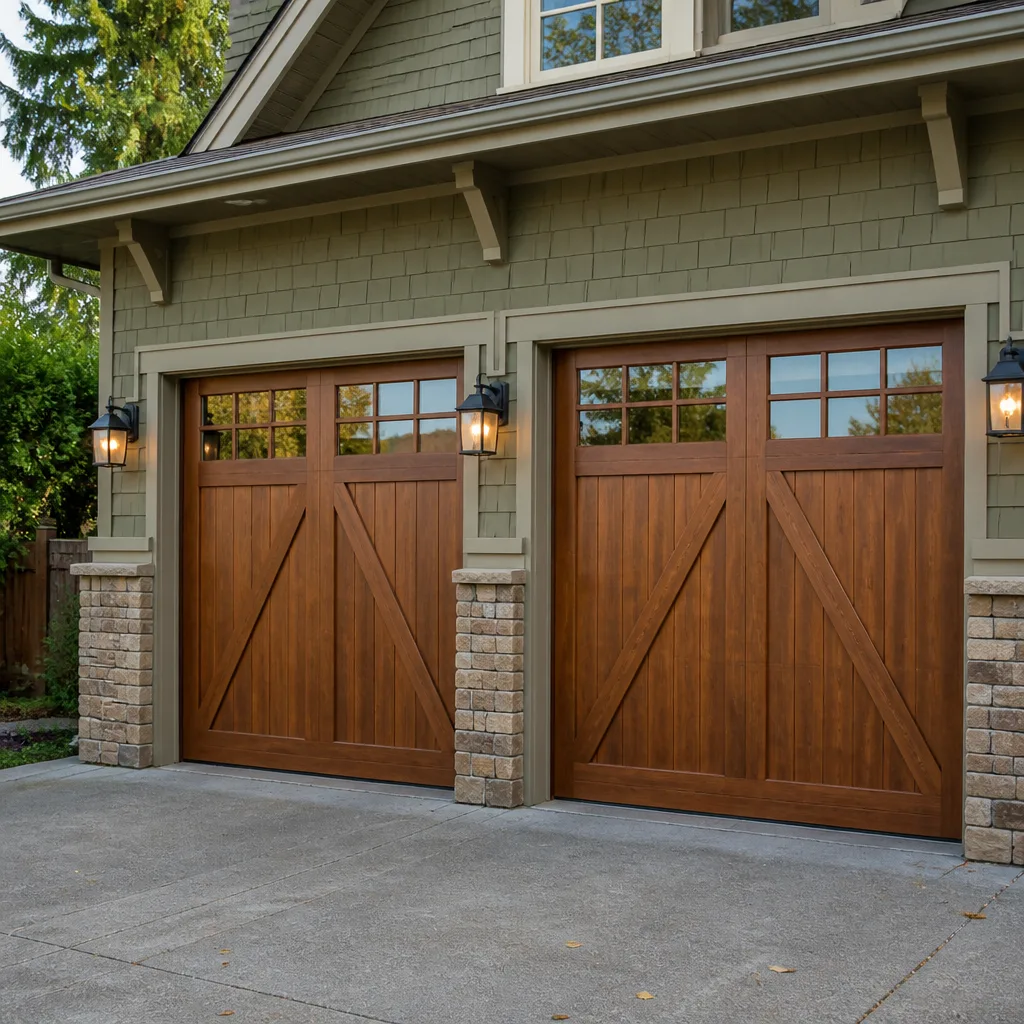 Carriage house
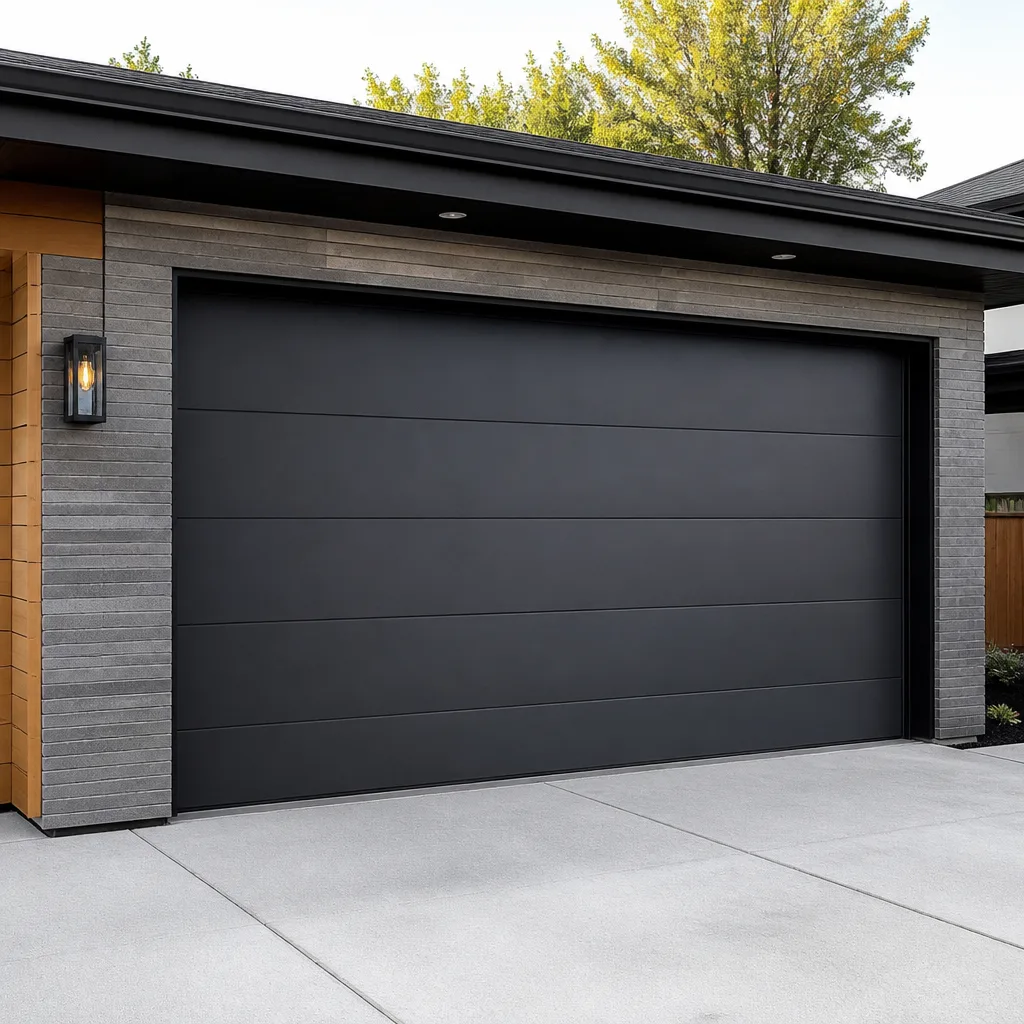 Modern flush
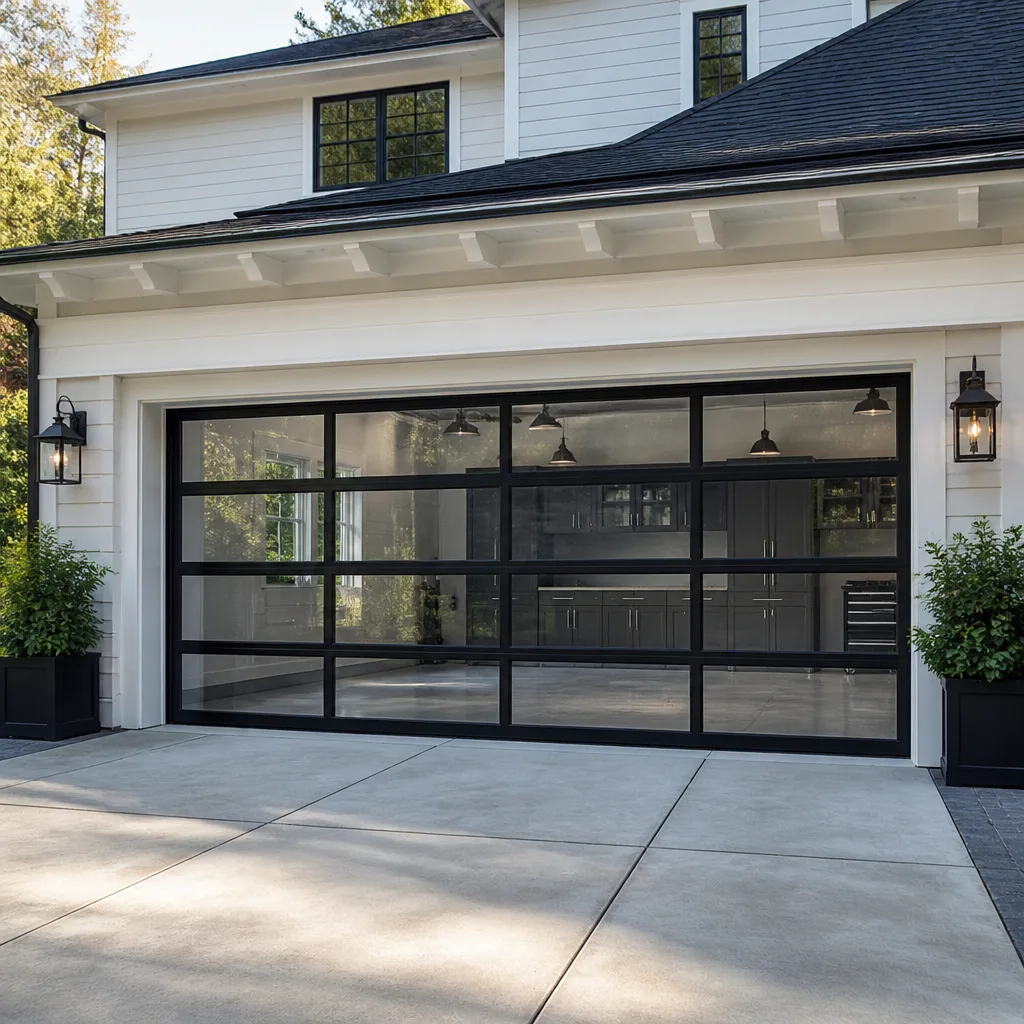 Full-view glass
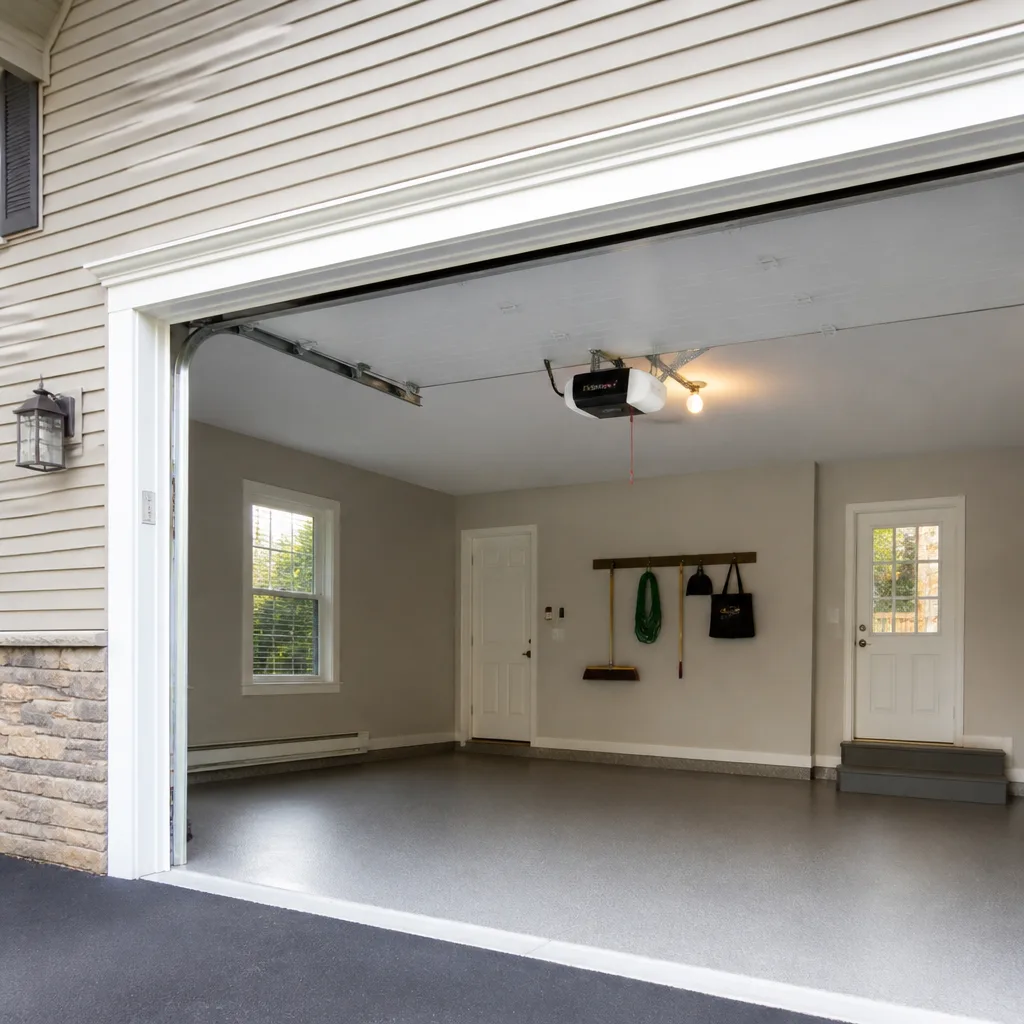 LiftMaster openers
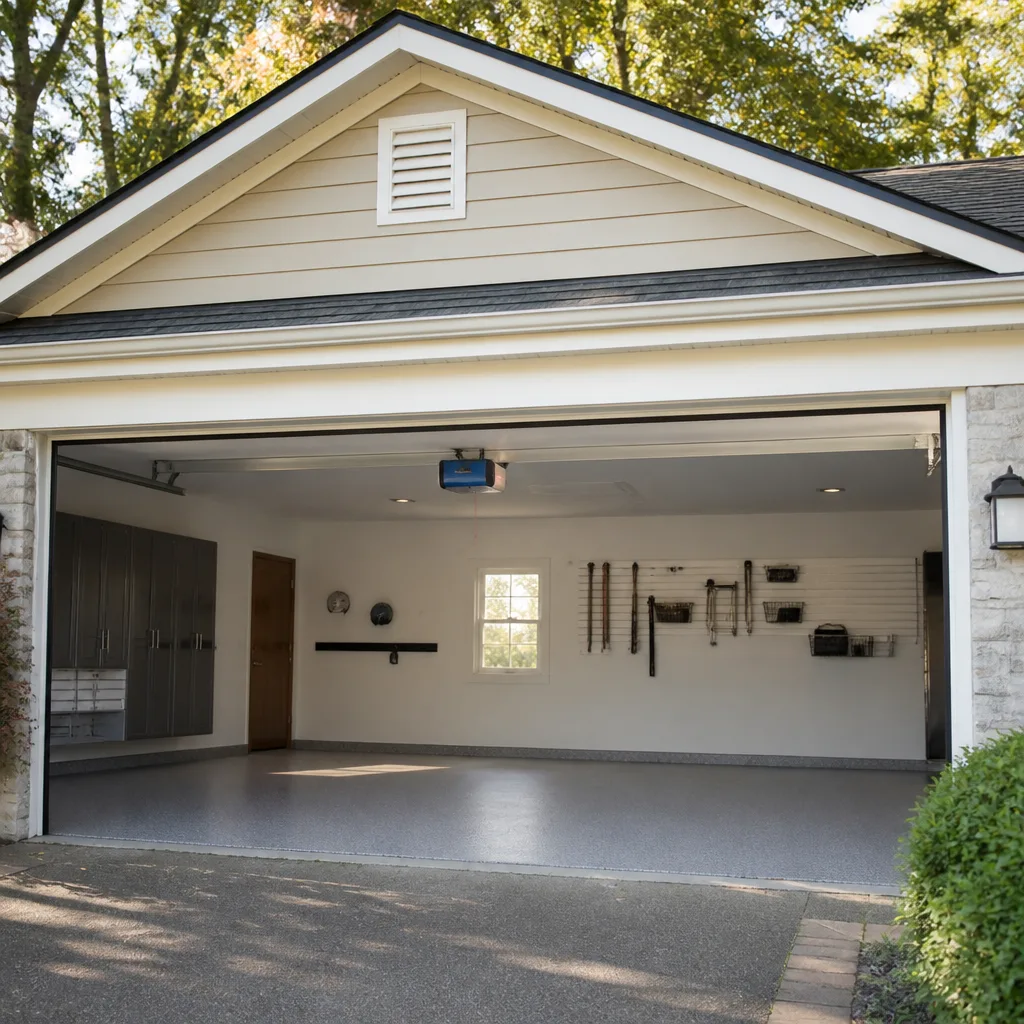 Chamberlain openers
Full 25-point door and opener safety check with every visit - springs, cables, rollers, tracks, and your LiftMaster or Chamberlain opener included
You get a price before we start. It does not change when the pro arrives.
Get your free estimateSeasonal Garage Door Care for Towson: Year-Round Homeowner’s Guide
Most garage door advice treats maintenance as a single annual task: lubricate the moving parts, tighten the bolts, call it a year. That works fine in a place where the weather stays roughly the same. Towson isn’t that place. A door here can face a hard freeze in January, weeks of damp summer air in July, and a forty-degree temperature swing within a single fall weekend. Springs fatigue faster than their cycle rating suggests, wood panels swell and shrink, photo-eyes drift as the ground moves underneath them, and weatherstripping that looked fine in October will let cold air straight into your garage by January. This guide breaks the year into four distinct stress phases and gives you the specific actions that matter in each one. You’ll learn what to check and when, which jobs are safe to handle yourself, and which ones genuinely need trained hands.
Quick Answer
Garage door maintenance in Towson should follow four seasonal phases rather than one annual checklist. In spring, inspect for winter damage: track alignment after freeze-and-thaw cycles, weatherstripping condition, and corrosion on hardware. In summer, watch for humidity-driven wood swelling, opener heat sensitivity, and photo-eye drift caused by ground settling. In fall, do your heaviest prep work before the first freeze. In winter, adjust to cold-related spring tension changes and never force a door that has frozen to the floor.
Styles & brands we work with
- Raised-panel steel
- Carriage house
- Modern flush
- Full-view glass
- LiftMaster openers
- Chamberlain openers
Table of Contents
- Why Towson’s Climate Is Hard on Garage Doors
- Spring: Post-Winter Recovery and Inspection
- Summer: Humidity, Heat, and Ground Settling
- Fall: The Highest-Leverage Maintenance Window
- Winter: Cold Springs, Batteries, and Frozen Doors
- Your Year-Round Towson Garage Door Calendar
- Brand-Specific Habits That Pay Off
- What to Check vs. What to Leave to a Technician
Why Towson’s Climate Is Hard on Garage Doors
Garage door torsion springs are wound from steel wire and rated for a set number of open-and-close cycles. That rating assumes a fairly stable environment. In Towson, the mercury regularly swings from single digits on winter nights to the mid-nineties by August afternoon, and it’s the spread, not the extremes, that does the damage. Metal expands and contracts with each swing. The wire inside a spring flexes microscopically, the grease film that protects it thins in heat and stiffens in cold, and micro-cracks form earlier than a plain cycle count would predict. That’s why you’ll sometimes see a spring rated for ten thousand cycles fail sooner than expected in this part of Maryland.
The house itself adds to the problem. Much of Towson’s housing stock sits on clay-heavy soil that holds water and shifts with the seasons. Slabs don’t move much, but the soil around them does, and a garage floor that heaves half an inch in a wet spring can throw a door’s bottom seal out of contact with the ground. Track brackets loosen. Photo-eyes that were perfectly aligned in November sit a quarter inch off target by March.
We work on doors across Towson, from the older blocks near the downtown core to the newer subdivisions off the beltway. Our technicians have up to 13 years of experience, and in that time they’ve learned the same lesson: a door that gets seasonal attention outlasts an identical door that gets one annual tune-up. The difference shows up in the second half of a spring’s life, when a well-tended door still opens smoothly and a neglected one is starting to sound like it’s grinding gravel.
Spring: Post-Winter Recovery and Inspection
March and April are your recovery months. Winter has put the door through its hardest conditions, and spring’s job is to find out what it cost. Work through this sequence in order, beginning with the door closed and the opener disconnected.
- Inspect the weatherseal and bottom seal. Run a hand along the rubber flap at the bottom of the door. Any cracks, hard spots, or gaps mean cold air and moisture got in all winter, and the seal needs replacing before the rainy season pushes water under it.
- Check track alignment bracket by bracket. Freeze-and-thaw cycles push soil upward and can lift one side of the slab slightly, tilting the tracks out of plumb. Look down the length of each track from floor level. It should run straight and vertical. A gap between the track and the door on one side is a sign the brackets have shifted.
- Look for corrosion on the hardware. Towson’s winters bring road salt and runoff, and it splashes up onto hinges, rollers, and the bottom brackets of doors near the driveway apron. Salt-corrosion shows as white or orange dust on the metal. Clean it off, lubricate the hinge points, and replace any roller or bracket that has pitted.
- Test the balance by hand. Raise the door partway, then let go. A balanced door stays put. If it drops or rises on its own, the spring tension doesn’t match the door’s weight, which is normal after a cold winter but needs a technician to correct safely.
- Cycle the opener and test the safety reverse. Reconnect the opener, run the door fully up and down, and place a box under the path to confirm the door reverses when it contacts it. If the reverse doesn’t trigger, the force settings or the photo-eye alignment need attention.
Spring inspection catches the most common winter damage: bent tracks, failed seals, and worn rollers. It won’t catch everything, though. If you hear grinding or popping during that first cycle, stop and schedule a garage door repair before using the door again.
Summer: Humidity, Heat, and Ground Settling
Summer in Towson brings something a winter-focused checklist entirely ignores: moisture. July and August humidity can sit in the eighties for days, and that air migrates into garages through every seam and gap. If your door or frame has any wood in it, that wood is now absorbing water and swelling.
The swelling problem
Wood panels swell across the grain in humidity, which can close up the tongue-and-groove joints and push the panel edges tight against the frame. If the door has been binding in July, that’s likely the cause, not a mechanical fault. Watch for panels that stick or scrape during operation on humid days, and if your door is wood, budget a little maintenance time to sand or seal edges that show chronic swelling.
Opener heat sensitivity
Openers have thermal protection built in. When the motor gets too hot during a long hot stretch, it shuts itself off to avoid burning out. That’s why an opener that’s run repeatedly on a 95-degree afternoon can quit partway through a cycle and then work fine an hour later. It’s not failing; it’s protecting itself. If it happens repeatedly on ordinary days, the motor or the drive system needs a look, so contact an opener specialist for garage door opener repair rather than assuming you need a new unit.
Photo-eye drift
Every garage door with an opener has a pair of photo-eyes, the small sensors near the floor on either side of the door. They work in pairs; if the beam between them is broken, the door won’t close. As soil dries and settles through the summer, the brackets holding those sensors can shift a fraction of an inch. That’s usually all it takes. If your door refuses to close and then works when you tap the sensors, they’ve drifted. Aligning them is a five-minute job that we see more often in late summer than any other time of year.
Fall: The Highest-Leverage Maintenance Window
If you do one serious round of garage door maintenance a year, make it October. Everything you set right now carries you through the hardest season with the least damage, and everything you skip now gets tested by cold and moisture for the next four months. Fall is when preparation pays.
- Lubricate the entire moving system. Use a silicone or white-lithium lubricant on hinges, rollers, and the spring coils themselves. Don’t use heavy grease that will stiffen in the cold. A light coat that penetrates the coils protects them against rust through the wet winter.
- Weatherize the garage side of the door. Replace or reinforce the bottom seal and check the sides for gaps. Cold air that reaches the spring and track hardware accelerates condensation and corrosion.
- Inspect and adjust the force settings on your opener. The door gets heavier as grease thickens in cold. A force setting that’s just barely adequate in October will strain the opener in January, so leave a small margin.
- Clear the track area. Every autumn leaf and acorn that blows into the track becomes a jam waiting to happen. Sweep the tracks clean and check for debris at the bottom of each vertical rail.
- Check the springs for early signs of fatigue. Look for gaps in the coil stack, discoloration, or a spring that’s visibly drooping at one end. Those are warning signs a spring is near the end of its life. Spring replacement is a job for trained hands, not a Saturday afternoon, and we recommend scheduling garage door spring repair before the cold sets in rather than waiting for a failure in January.
Fall prep is where the seasonal model pays for itself. A door that’s lubricated, sealed, and balanced in October needs fewer emergency calls between November and March than one that never got the attention. And if a door does fail mid-winter, having your system clean and functional makes the eventual repair faster and less expensive.
Winter: Cold Springs, Batteries, and Frozen Doors
Winter is when a garage door reveals every shortcut you took in the fall. Cold does three things to a door system: it stiffens grease, it changes spring tension, and it affects battery-powered openers. Understanding how each works helps you avoid doing more harm than good.
Cold and spring tension
Steel contracts in the cold, and a spring that was exactly balanced at 70 degrees is a little tighter when it’s 10 degrees outside. That extra tension means the door opens slightly harder and closes with more speed. In most cases the change is small enough that a properly balanced door handles it fine. But a door that was already close to its limits will show the strain in January, and that’s often when a tired spring finally goes.
Battery-powered and smart openers
Batteries lose capacity in cold weather, sometimes by half or more. A backup battery that ran the door twice in summer might manage one cycle in a hard freeze. If your opener has a battery backup, test it in early winter and expect to replace batteries earlier in Towson than in warmer parts of the country. Smart openers with app control are also worth testing in cold weather: an opener that’s lost signal strength can still work via wall switch while the app connection flakes.
If the door freezes to the floor
This is the one winter problem that causes real damage when handled wrong. If your door won’t lift because the rubber seal has bonded to the floor, don’t run the opener repeatedly to force it. On a chain- or belt-drive opener, repeated forced lifts can strip the gear, burn out the motor, or snap the spring. Instead, disconnect the opener using the manual release, then break the seal manually. A little warm water along the seam or a gentle pry with a plastic scraper usually releases it. Once the door is free, clear the ice and snow from the threshold and check the bottom seal for tears. If the door has frozen because the seal was already damaged, that’s worth fixing before the next freeze; a full seasonal guide to repairs is available at our main Towson garage door repair pros page.
Your Year-Round Towson Garage Door Calendar
One page you can print and keep in the garage. Each entry tells you what to do and how long it should take.
- March: Post-winter inspection. Check seals, tracks, corrosion, and balance by hand. Disconnect the opener first. (About an hour.)
- April: Replace any bottom seals or weatherstripping that failed over winter. Test the opener’s safety reverse. (About 30 minutes plus parts.)
- May: Align photo-eyes if the door has been refusing to close. Clear the tracks of spring debris. (15 minutes.)
- June: Check for wood swelling on humid days. Note any binding that appears as humidity rises. (15 minutes.)
- July: Listen for opener heat-shutdown symptoms during hot afternoon testing. If the opener trips off during a run, don’t keep resetting it; let it cool and schedule a professional check if it recurs. (10 minutes.)
- August: Re-check photo-eye alignment after summer ground settling. Check the bottom seal for gaps. (15 minutes.)
- September: Clean and lubricate tracks, hinges, and rollers with a light silicone lubricant. (30 minutes.)
- October: Fall prep window. Full lubrication, weatherproofing, force-setting adjustment, and a visual spring inspection. If anything looks off, book a spring service visit before the first hard freeze. (About an hour, plus a technician visit if needed.)
- November: Test battery backups on any opener that has them. Clear the threshold of fallen leaves. (15 minutes.)
- December: Watch for a door binding at the floor in the first hard freeze. If it does, release the opener manually rather than forcing it. (Reactive.)
- January: Listen for grinding or popping in the first cycle of each cold snap. A single pop during a cold start is often just the spring unwinding through stiff grease; repeated popping or a door that won’t fully close means stop and call. (Reactive.)
- February: Clear ice and snow from the threshold. Recheck seals after the worst of winter has passed. (10 minutes.)
Print it, tape it to the wall, and note the dates you actually do each task. Two years of those notes tells you exactly how your particular door behaves through a Towson year, which is far more valuable than any generic schedule.
Brand-Specific Habits That Pay Off
Different opener brands have different weak points, and knowing your model changes what you should watch. We work on the most common brands in Towson garages, and a few have recurring behavioral quirks worth knowing about.
LiftMaster and Chamberlain
These are the most common systems in the area, and their MyQ app connectivity is both useful and occasionally fussy. If your app loses the garage door but the wall switch works, that’s a network or subscription issue, not a mechanical failure; the door itself is fine. LiftMaster and Chamberlain openers also have very sensitive force adjustment. A door that reverses unexpectedly at the bottom of its travel often just needs the force setting adjusted in the onboard menu.
Genie
Genie openers tend to run quieter and smaller than the other brands, but the safety sensors on older Genie models are more sensitive to misalignment than others. If you have a Genie system, check the photo-eyes after any heavy rain or ground disturbance. A quarter-inch shift can trigger repeated door reversals.
Craftsman
Craftsman is one of the legacy brands you’ll find in older Towson garages, and it often works fine for years with almost no attention. Its age is the main thing to watch. If the opener is over a decade old, the internal gear teeth can wear down without warning. A Craftsman that starts making a chattering or clicking sound needs the drive gear checked before it fails.
Wayne Dalton and Raynor
Doors from Wayne Dalton and Raynor are built solidly, but their weathersealing varies by model. Pay attention to the bottom seal on these doors during fall prep. A Wayne Dalton door with a worn seal is more vulnerable to frozen-to-floor problems in a hard freeze than a door with a thick rubber seal.
For Clopay and Amarr, the news is mostly good: their steel panels handle Towson humidity and cold without much fuss. The spring and opener systems are where the maintenance attention belongs, and the same seasonal calendar applies. We’re familiar with the full set of brands, which means we know the specific parts and failure points of each system rather than guessing at the first appointment.
What to Check vs. What to Leave to a Technician
Seasonal maintenance has a clear dividing line. Some jobs are safe for any homeowner with a ladder. Others carry real risk, and no guide should encourage a homeowner to attempt them. Here’s the split.
Safe to check and do yourself
- Visually inspect seals, tracks, and hardware from the floor.
- Lubricate hinges, rollers, and track with a light silicone spray.
- Align photo-eyes by hand (small screwdriver, no tools needed for most brackets).
- Test the door’s manual balance by raising it partway with the opener disconnected.
- Clean and clear the tracks, remove debris, and sweep the threshold.
- Replace batteries in a battery-backup opener.
Leave to a trained technician
- Adjusting, replacing, or disconnecting torsion or extension springs in any way.
- Adjusting the door’s force setting or travel limits on the opener.
- Replacing broken cables, hinges, or bottom brackets.
- Removing the door from its tracks for any reason.
- Any electrical work on the opener motor or wiring.
Torsion springs are wound under hundreds of pounds of tension even when the door is closed and balanced. An incorrectly released spring can cause serious injury. Cables are just as dangerous because the tension in them is invisible. If you’re unsure what’s wrong, call a professional rather than trying to diagnose it yourself. The cost of a service call is small compared with the risk of attempting a spring adjustment alone.
Common Mistakes to Avoid
- Treating maintenance as an annual event. Spring, summer, fall, and winter put four different stresses on a door in Towson. A single annual tune-up misses the seasonal hazards (like spring thaw and summer humidity) that cause most of the premature failures we see.
- Using heavy grease on springs and tracks. Thick grease is fine in warm weather but stiffens badly in cold. That changes the door’s balance and strains the opener. Light silicone or white-lithium lubricant is the right choice for every season.
- Forcing a frozen door open. Repeatedly running the opener against a stuck seal tears up gear teeth, overheats the motor, and stresses the spring. Disconnect the opener manually and free the door first.
- Ignoring photo-eye misalignment. Summer ground settling can shift the sensors by a fraction of an inch. A door that reverses for no apparent reason is usually a sensor problem, not a door problem. Check this before assuming a bigger failure.
- Skipping the fall prep window. Spring gets the attention, but fall is the highest-leverage maintenance time. Whatever you set right in October saves you a cold-weather service call in January.
- Waiting for a spring snap to call for service. Springs show warning signs (gaps in the coil, discoloration, drooping) before they fail. Recognize those signs and schedule replacement on your terms rather than in the middle of a freeze.
- Assuming a slow-closing door is normal. A door that closes more slowly than it did last year is often telling you the spring is losing tension, the opener force settings need adjustment, or a roller is dragging. Seasonal checks catch these early.
See the difference
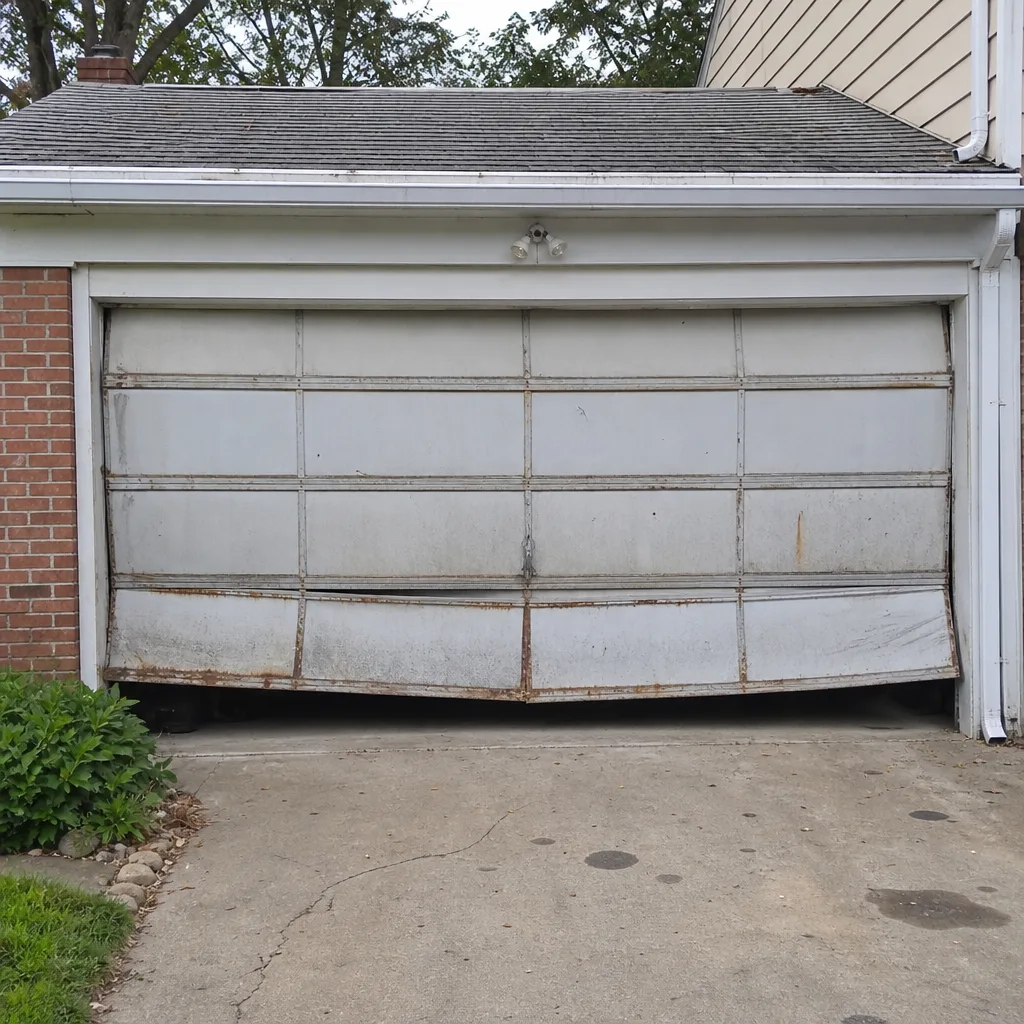 Before
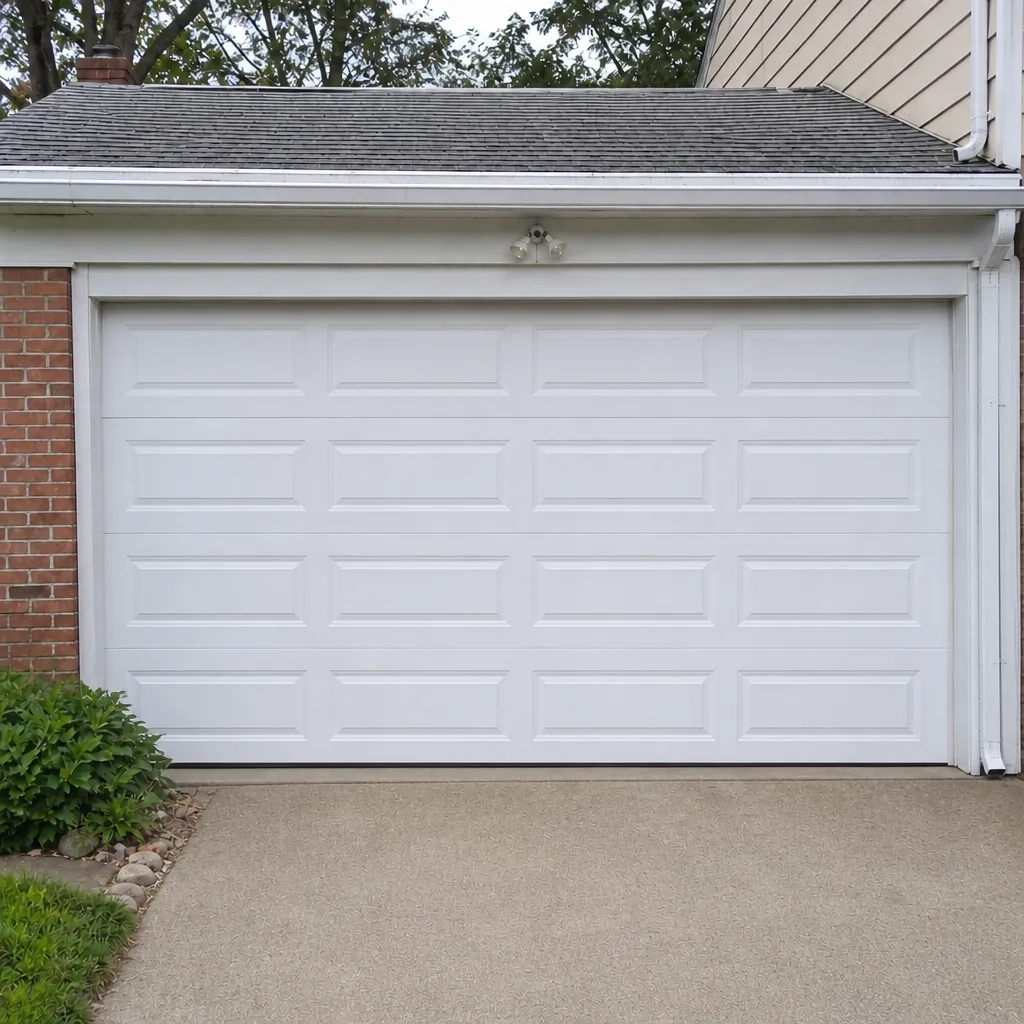 After
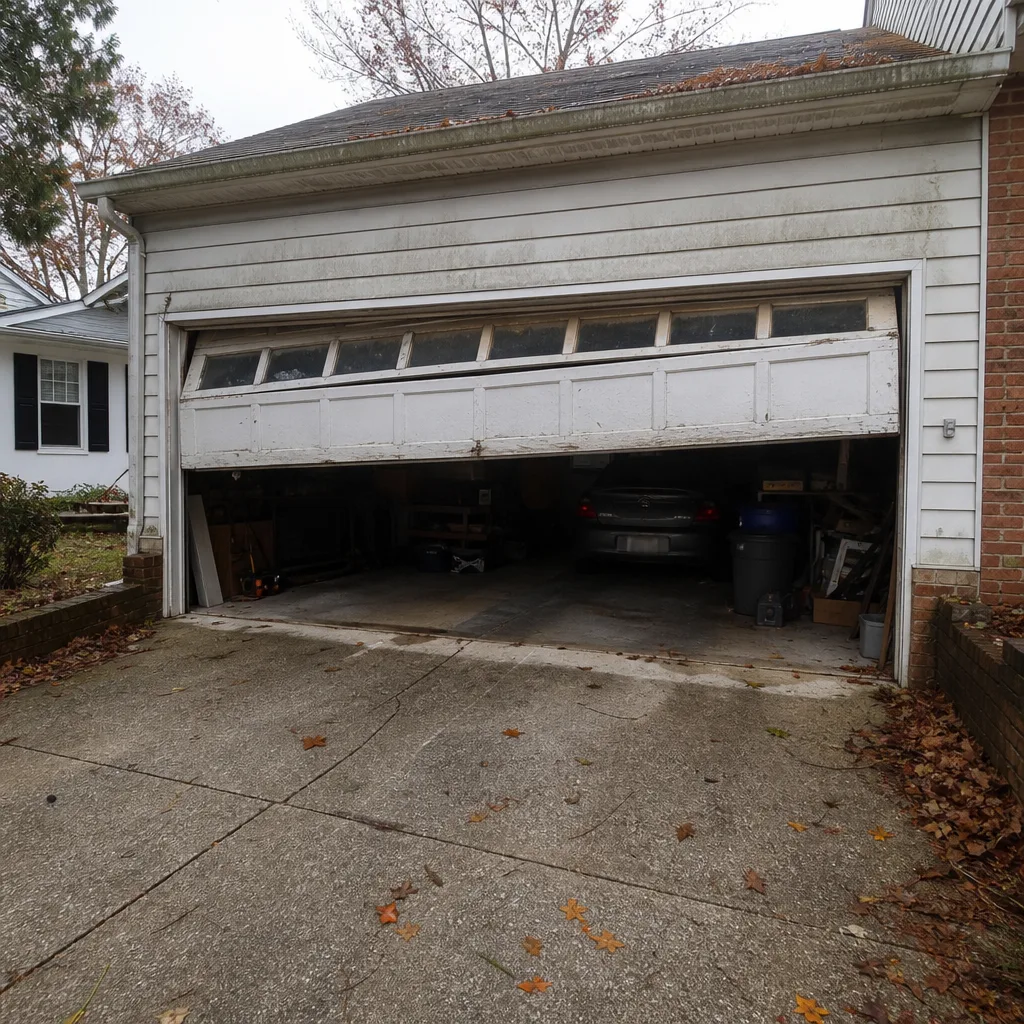 Before
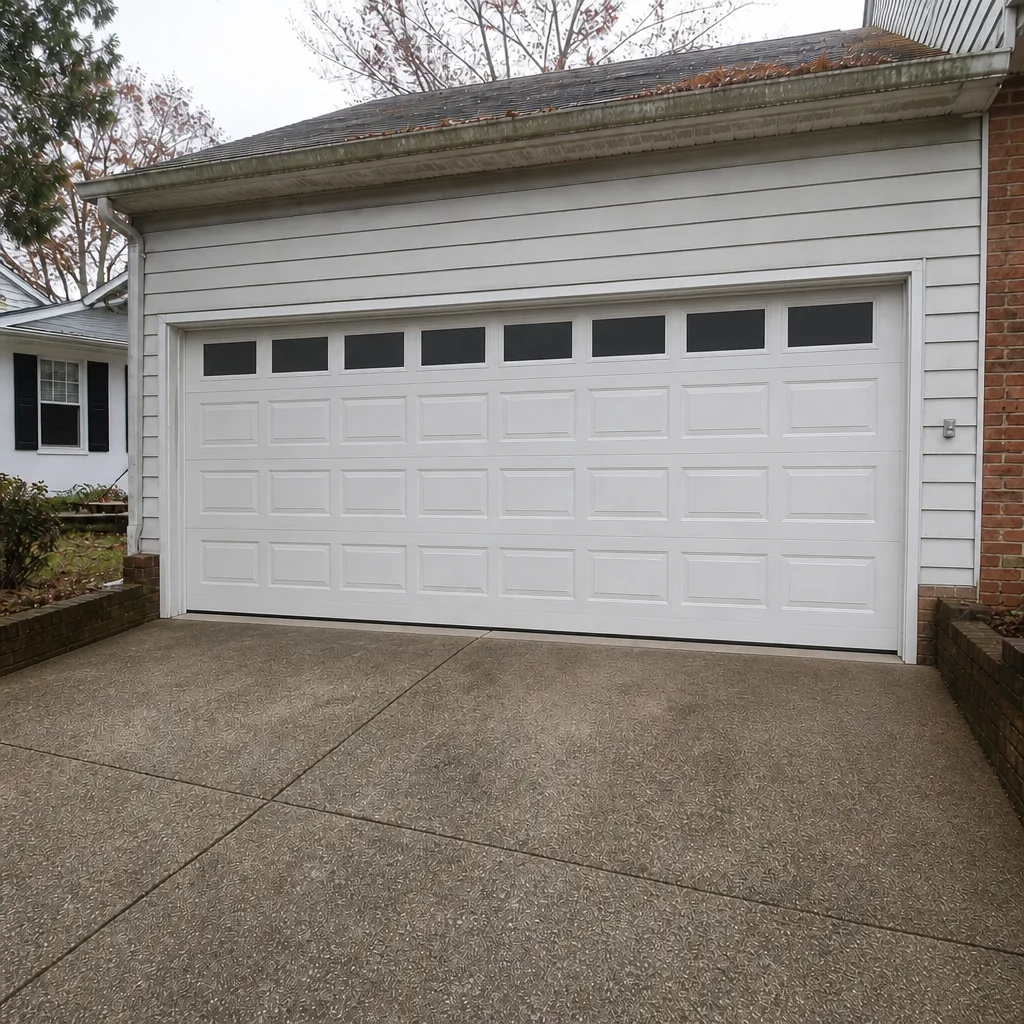 After
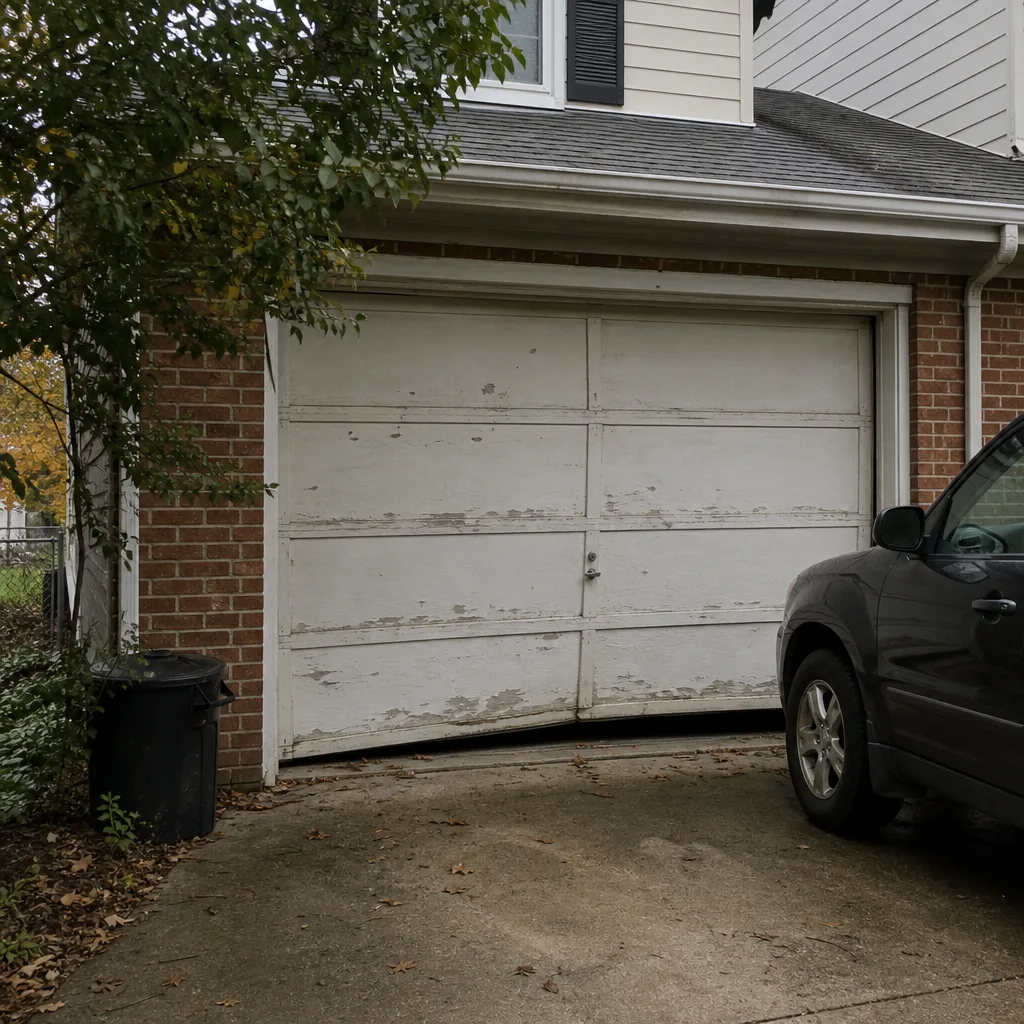 Before
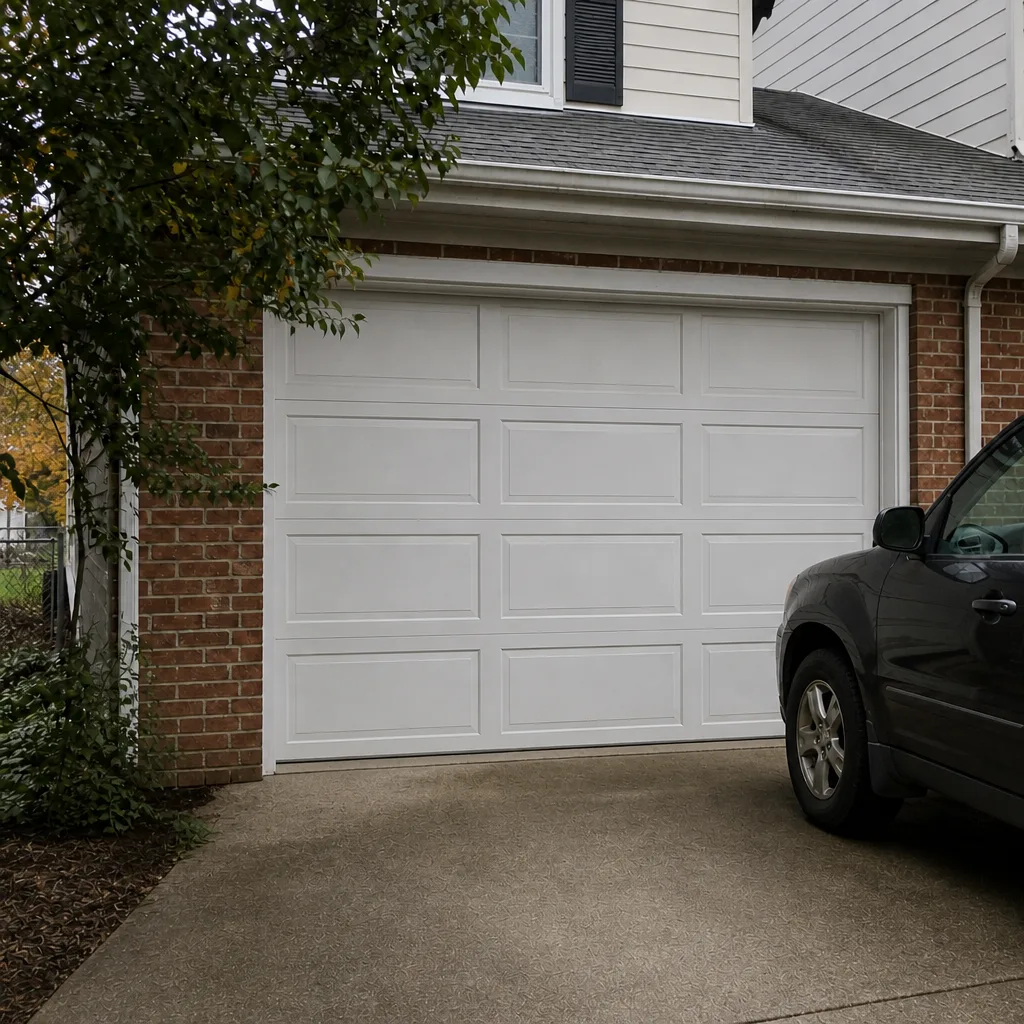 After
When to Call a Professional
Some of what this guide covers is worth doing yourself. But the moment a door lets out a snap, a bang, or a grinding sound, or when the door has balanced oddly and stops staying up, that’s the point to stop and call. Those symptoms point at springs, cables, or opener motors, and all three are dangerous to diagnose on your own. The same is true when a door fails in the middle of a cold snap and your garage has become the family freezer. And if your door hasn’t been serviced in years and you’re not sure of its history, a professional inspection gives you a clear baseline for everything else in this guide.
Towson Garage Door Repair Pros offers free estimates in Towson. Call (844) 931-3676. We handle everything from a single spring repair to a full replacement, and we work with the brands most Towson homeowners actually have: LiftMaster, Chamberlain, Genie, Clopay, Amarr, Wayne Dalton, Craftsman, and Raynor.
Frequently Asked Questions
Yes, because each season brings a different stress (cold snaps in winter, humidity in summer, freeze-thaw soil changes in spring) and the same maintenance tasks don’t address all of them. Spring inspection focuses on what winter damaged, summer attention goes to humidity and heat, fall is your prep window for winter, and winter maintenance is largely about coping with cold-related effects until spring. A single annual tune-up misses the specific failure modes that each of these phases introduces.
Springs should get a visual inspection once each season, with a professional check whenever you notice a gap in the coil, a color change, or a change in how the door feels to open. Torsion springs wear faster in climates with big temperature swings, so the seasonal schedule applies more here than in places with more stable weather. If a spring is starting to fatigue, a professional inspection can catch it before it fails.
Most summer garage door failures trace to three things: opener thermal protection shutting the motor off, wood panel swelling causing the door to bind, or photo-eyes drifting out of alignment as the ground settles. Thermal shutdown usually clears on its own once the motor cools. Swelling and alignment need hands-on attention. If the door binds, reverses, or refuses to close in hot weather, that’s a signal to call for a check rather than keep resetting the opener.
First, disconnect the opener using its manual release before trying to lift the door. Then free the door from the floor by breaking the seal with a little warm water along the seam or a plastic scraper. Never run the opener repeatedly to force a frozen door open, because that can strip the drive gear, overheat the motor, and snap the spring. Once the door is free, clear snow and ice from the threshold and inspect the bottom seal for damage.
No. Torsion and extension springs are under extreme tension, and a wrong move can cause serious injury. Spring replacement and adjustment need trained hands and proper tools. The same goes for cable work and any opener force-setting changes. Seasonal checks for spring condition (looking, listening, noting how the door feels) are absolutely worth doing yourself. Actual spring work is a job for a technician.
Yes, and it’s usually the battery. Remote and keypad batteries lose much of their capacity in cold weather, so a remote that works fine from spring through fall can stop in January. Test the wall switch first; if the door works from the wall but not from the remote, replace the battery and re-test. If it still fails, the remote or the opener’s receiving board needs an inspection.
The Bottom Line
Garage door maintenance in Towson is a four-season job, not a once-a-year chore. Springs, tracks, seals, and openers each respond differently to the cold snap of January, the humidity of July, and the freeze-thaw cycle that shows up in spring. The homeowner who follows a seasonal calendar, keeps a light lubricant on the moving parts, and knows the warning signs of a failing spring gets most of the way to a door that lasts. The remaining jobs (springs, cables, opener adjustments) are for trained hands, and calling a professional in the first sign of trouble is what separates a routine repair from an emergency. Print the calendar, keep it in the garage, and let the seasons do the work.
Written by the team at Towson Garage Door Repair Pros.
Contact
If a seasonal check turns up something you’re not comfortable tackling, or if the door isn’t behaving the way you expect after a temperature swing, call Towson Garage Door Repair Pros at (844) 931-3676. We offer free estimates on repair, spring replacement, opener service, and new door installation, and we work with the brands most Towson homeowners have in the garage. Ready to book a seasonal check? Call (844) 931-3676 for a free estimate.