Last updated November 21, 2026
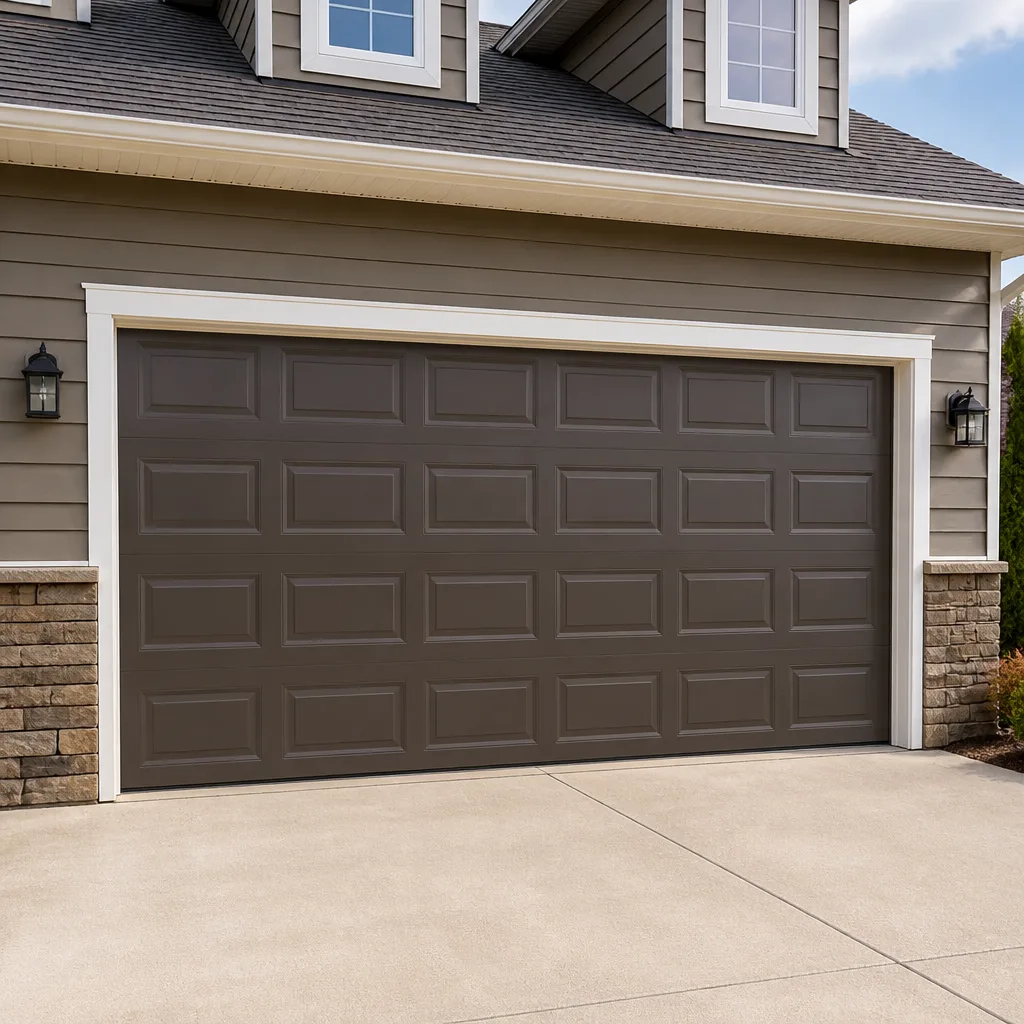 Raised-panel steel
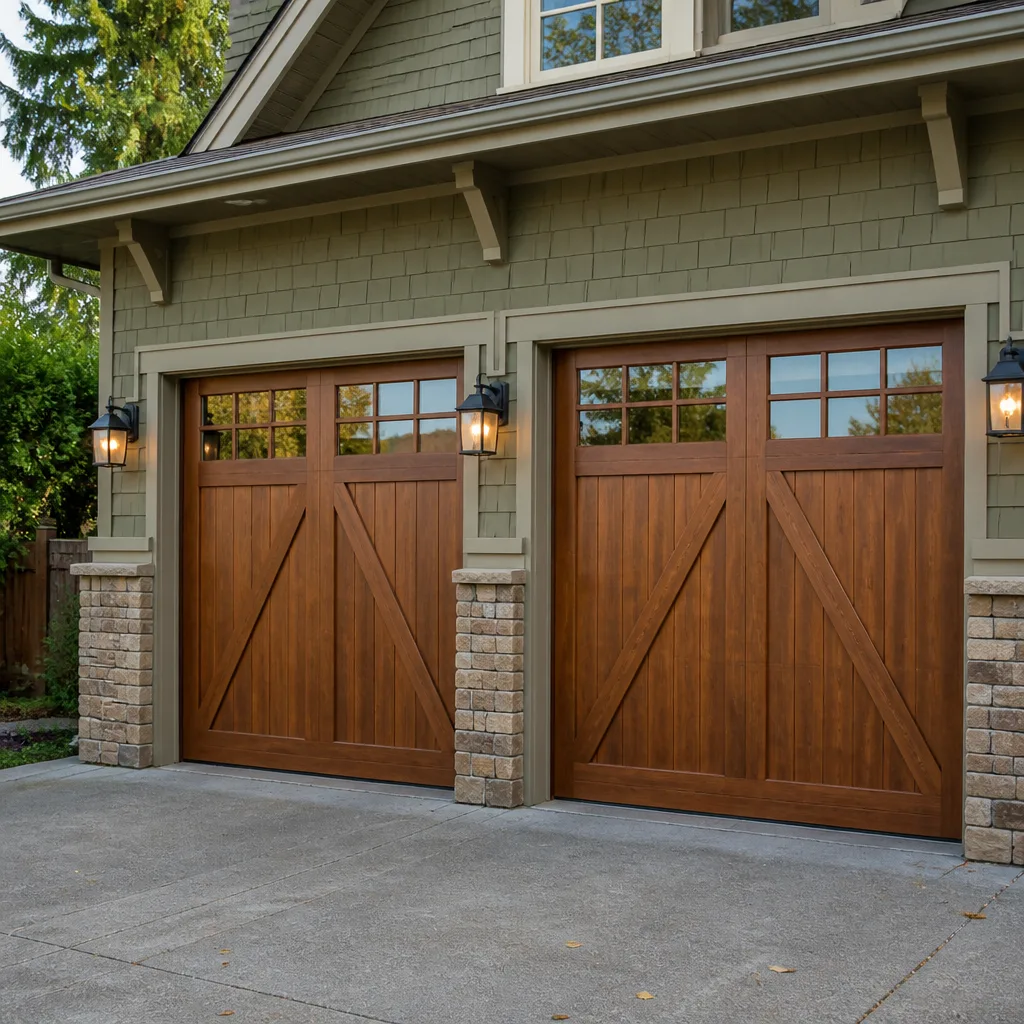 Carriage house
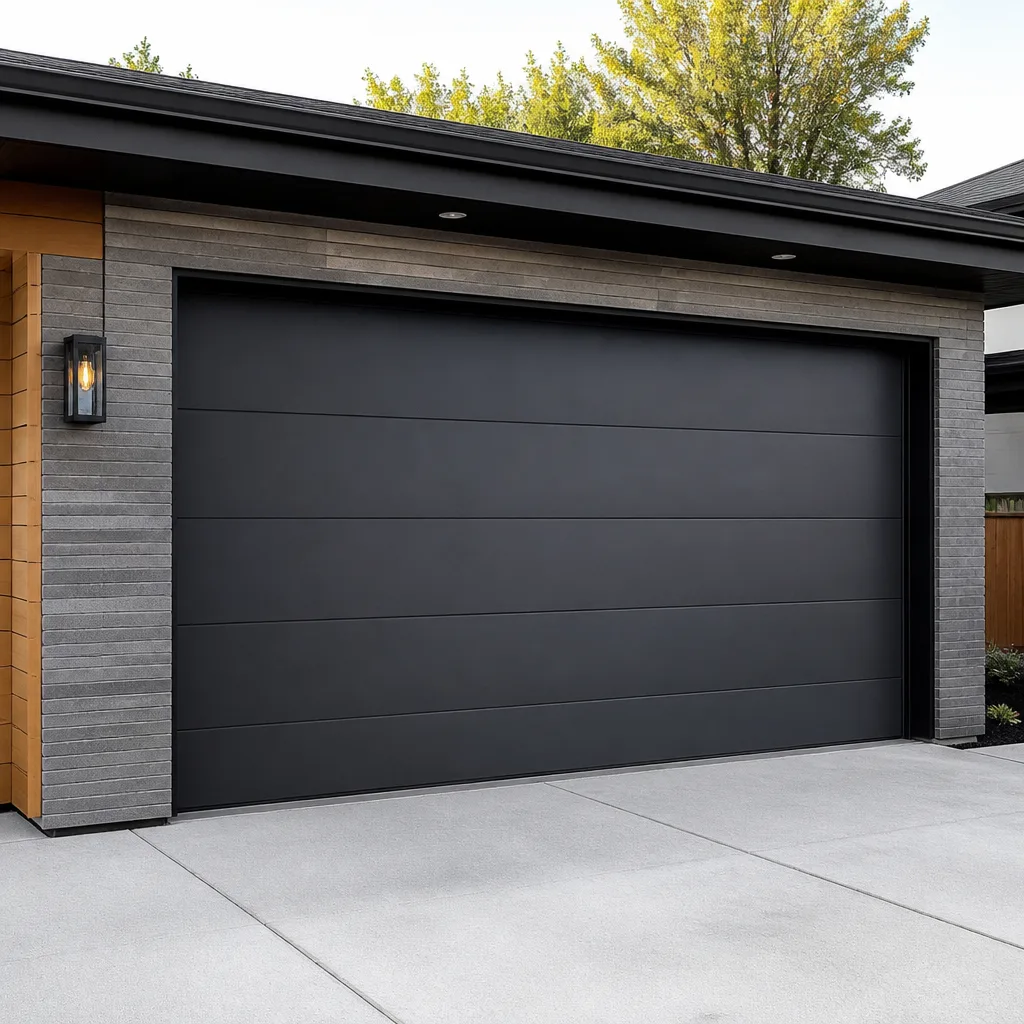 Modern flush
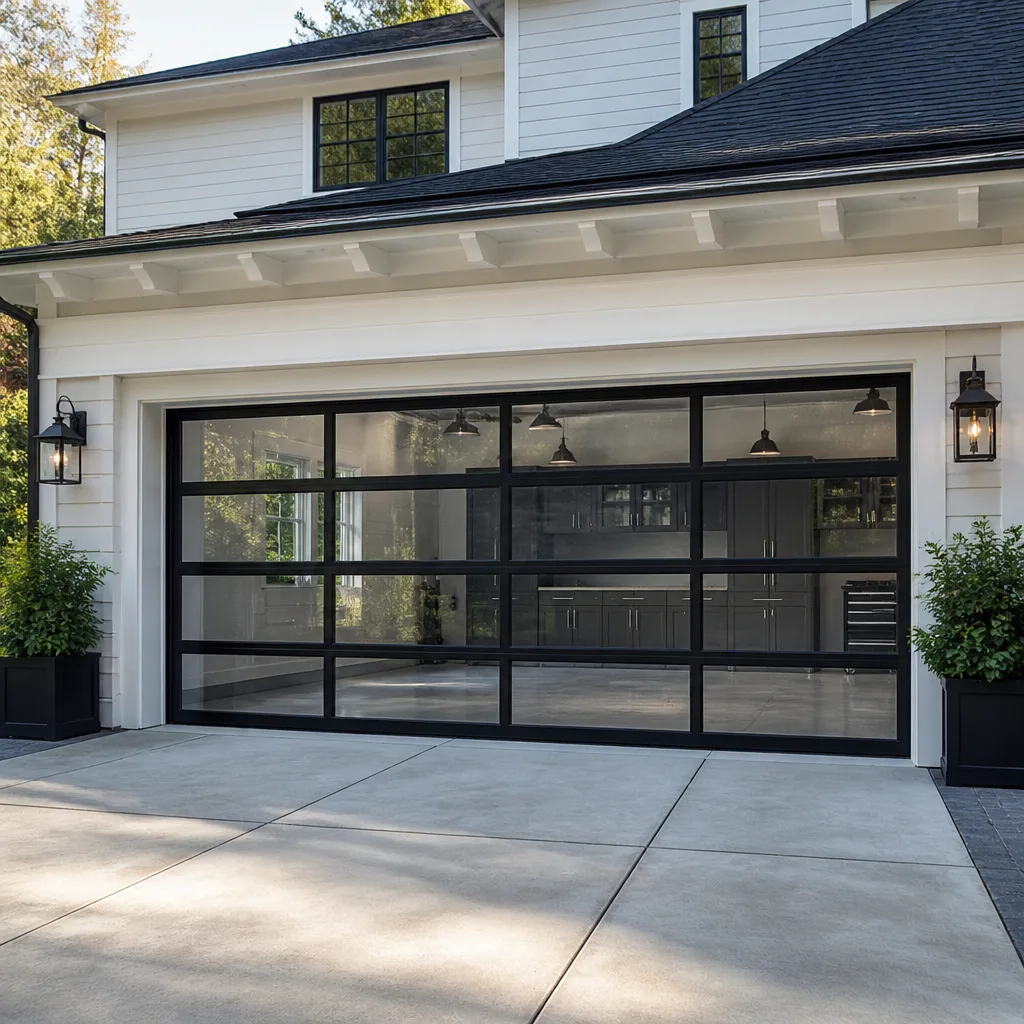 Full-view glass
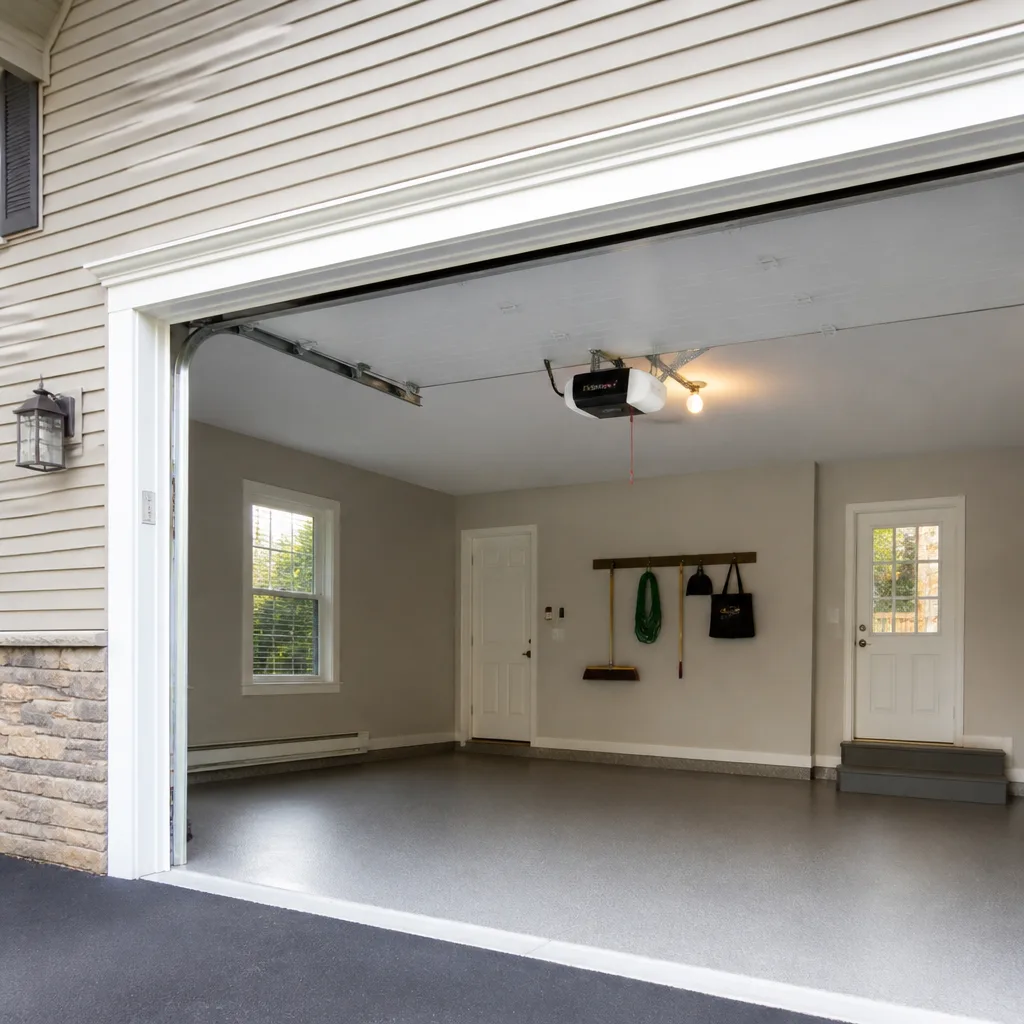 LiftMaster openers
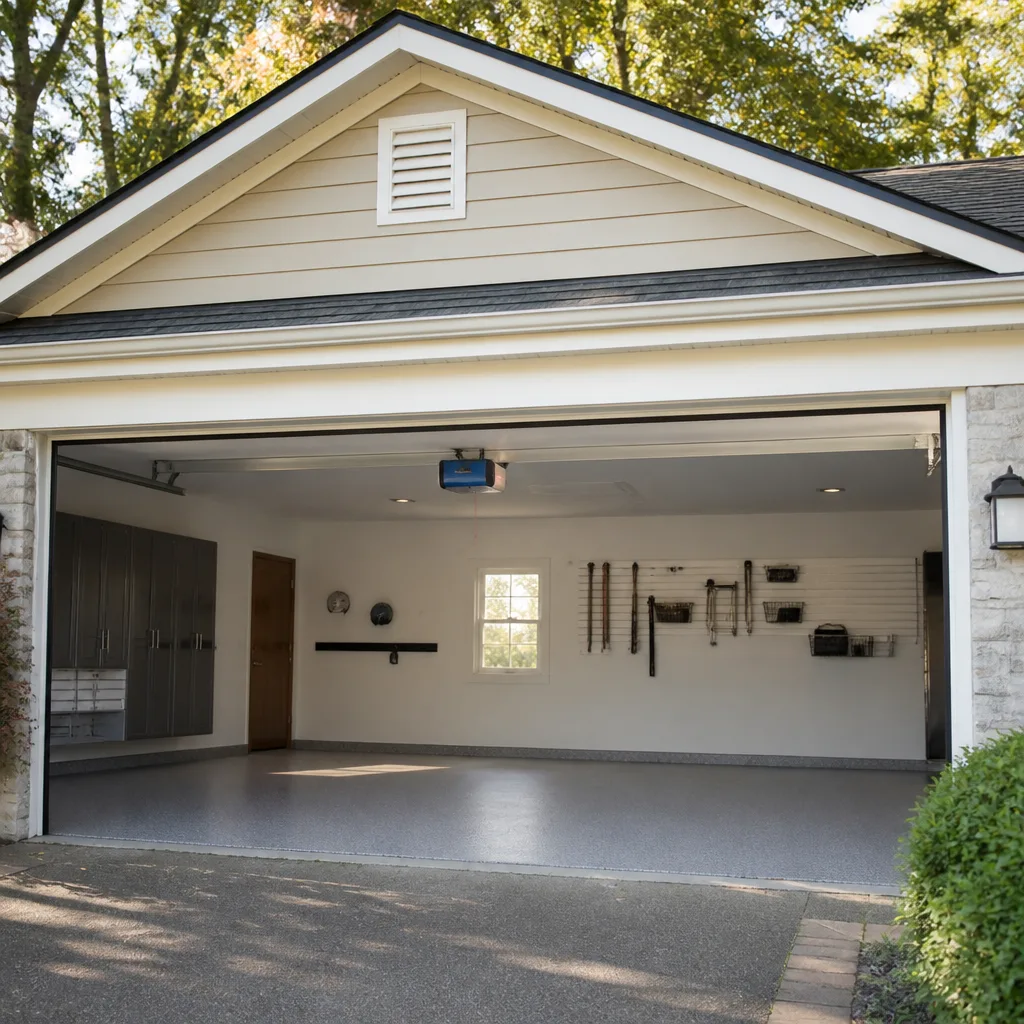 Chamberlain openers
Full 25-point door and opener safety check with every visit - springs, cables, rollers, tracks, and your LiftMaster or Chamberlain opener included
You get a price before we start. It does not change when the pro arrives.
Get your free estimateMost Towson homeowners think of their garage door as one thing. It isn’t. It’s a system of six interdependent components, and understanding how they interact is what separates a $90 service call from a $900 replacement. The average Towson home’s garage door moves over 1,500 times a year, more cycles than the front door, back door, and every interior door combined. Most homeowners couldn’t name three of its components. This guide maps the full system so you know exactly what you own, what it costs to maintain, and when to call a specialist.
Quick Answer
A garage door in Towson is a six-part system: springs, tracks, cables, rollers, opener, and panels. Springs store the lifting force, tracks guide the door, cables keep it level, rollers reduce friction, the opener provides the push, and panels do the sealing. Repair makes sense when one or two parts fail and the door is otherwise sound. Replacement makes more sense when the door is out of balance, the panels are failing, or the repair cost climbs past half the price of a new door. A written estimate is the only way to know which side of that line you’re on.
Table of Contents
- How the Six-Part Garage Door System Works
- How Towson’s Older Housing Stock Shapes Your Door System
- Component by Component: What Each Part Does and How It Fails
- What Garage Door Work Costs in Towson
- Repair or Replace? A Cost-Per-Cycle Way to Decide
- Which Brands Dominate Towson Installs and Why Parts Availability Matters
- DIY Maintenance vs. Pro Service vs. Full Replacement
How the Six-Part Garage Door System Works
A garage door feels like a slab that goes up and down. In practice, every cycle is a coordination problem between six parts, each doing a specific job. When one part drifts, the others take on the strain. That’s why a door that “works fine” can still be slowly wearing the rollers, cables, or opener into an early failure.
Here’s what each part does, in plain terms:
- Springs counterbalance the door’s weight. Torsion springs sit on a shaft above the door. Extension springs run along the sides. Together they carry most of the load so your opener doesn’t have to lift hundreds of pounds on its own.
- Tracks keep the door moving in a straight line as it travels up and back. They’re anchored to the ceiling and frame, and they need to stay aligned for the door to move freely.
- Cables connect the bottom corners to the spring system. They keep the door’s weight distributed evenly from left to right.
- Rollers run inside the tracks and reduce friction as the door slides. There are usually ten or twelve on a standard door.
- The opener provides force through the belt, chain, or screw drive, and it manages the safety sensors and limits.
- Panels form the body of the door, and the bottom section carries the weather seal and the bottom bracket where cables attach.
Each part has its own failure mode. Springs snap, tracks bend, cables fray, rollers wear flat, openers lose force, and panels bend or rust through. When a single part fails, the rest of the system usually compensates for a while, which is why failures often look sudden when they’ve really been building. That’s the secret to knowing whether a Towson door needs a repair or a replacement.
How Towson’s Older Housing Stock Shapes Your Door System
Towson’s housing stock tells you a lot about what you’re likely to find on your door. The bulk of the area’s single-family homes were built between the 1960s and the 1990s, and garage door systems tend to track the decade of the house. A door installed on a 1970s build is often a different animal from one on a 1990s build, even if both look similar from the street.
What changes across those decades:
- 1960s to 1970s: heavier wood or wood-frame doors, often with extension springs on each side. Extension springs are more prone to eventual breakage and, without safety cables, they’re a real risk when they let go.
- 1980s: the shift to steel doors and torsion spring systems. Many of these are still in service, and torsion springs are typically replaced in matched pairs because both have cycled the same number of times.
- 1990s: insulated steel doors and the rise of the first-generation smart-capable openers. Panels are more common now, and so are the belt-drive openers that dominate quiet retrofits.
One consequence of Towson’s older housing stock: a door you’re about to repair may have already been through a spring replacement or an opener swap by a previous owner. Undoing that mixed history is part of the diagnosis. We ask what’s been replaced and roughly when, because that history changes the recommendation. A door that’s been on the same springs since the age of the house is a different risk than one that had its springs updated five years ago.
The seasons also matter here. Towson’s freeze-thaw cycle across winter pushes against the bottom seal, the panel edges, and the hardware, so doors that sit perfectly in October can start rubbing the tracks by February. If your door gets noticeably noisier or heavier in cold weather, the weather isn’t the cause; it’s revealing wear that was already there.
Component by Component: What Each Part Does and How It Fails
Once you know what each part does, failure stops feeling random. Here’s what to watch for on each component of your system.
Springs
The most important part on the door, and the most dangerous to touch. A broken torsion spring leaves the door effectively untethered, and the opener will strain against a load it was never meant to carry. Spring failure usually shows up as a loud snap followed by a door that won’t lift or hangs a few inches off the floor. Never try to open a door with a broken spring by hand and never attempt spring replacement yourself. Torsion and extension springs are stored energy, and a trained technician handles them with the right winding bars and door-position discipline. Our garage door spring repair service exists because spring work is the single most mishandled job in the trade.
Tracks
Tracks bend from impact, from a door that’s come off one side, or simply from a loose bracket. A bent track shows up as a door that binds, rubs, or jumps the roller. Small alignment issues can be adjusted; a kinked track usually needs replacing rather than hammering back into shape.
Cables
Cables do the tension work at the bottom corners. A frayed or slack cable is a warning sign, and a snapped cable on one side lets the door drop unevenly, so it can bind or fall. If a cable has visibly unwound strands, don’t run the door. That’s a call-now situation.
Rollers
Rollers wear flat, dry out, and start making the door sound like it’s grinding. Worn rollers put extra load on the opener and the tracks. Roller replacement is one of the cheaper, higher-impact jobs on the door.
Opener
The opener gets blamed for a lot of problems it didn’t cause. If the door is heavy, the springs are tired, or the tracks are binding, a healthy opener will still struggle. Opener failure itself usually looks like a remote that won’t trigger, a motor that runs but the door doesn’t move, or limits that have drifted. Smart and legacy systems both fail in their own ways, and our garage door opener repair covers both. We’re factory-familiar with LiftMaster, Chamberlain, Genie, Craftsman, and the rest of the major opener brands, which means no guesswork on your system.
Panels
Panels take the weather and the impacts. Dents are cosmetic; cracks, rust-through, and a sagging bottom panel are not. The bottom panel carries the seal and often the bottom bracket, so damage there is a structural issue, not just a look.
What Garage Door Work Costs in Towson
Garage door pricing in Towson splits into jobs that are usually same-day repairs and jobs that require measuring and ordering. Understanding which category you’re in tells you what to expect from a call. The ranges below are typical estimates, not exact quotes. The written estimate sets the final price, and it’s agreed before any work starts.
Here’s how the ranges typically break down:
| Job | Typical Range | Notes |
|---|---|---|
| Spring replacement (one spring) | $180 – $340 | Matched pairs are usually replaced together, so a pair costs about twice that |
| Tune-up and safety inspection | $90 – $180 | Balance check, lube, hardware tightening |
| Roller replacement | $120 – $260 | Usually inclusive of hardware |
| Cable replacement | $140 – $300 | Often paired with spring work |
| Track adjustment or replacement | $150 – $400 | Depends on track length and damage |
| Opener repair | $120 – $320 | Repair vs. replacement decision applies here |
| Opener replacement | $350 – $650 | Measured and scheduled, not same-day |
| New door installation | $1,100 – $3,200 | Measured and scheduled; pricing depends on size and material |
Two things to know when you call. First, prices are quoted and agreed before any work starts, so the invoice doesn’t come as a surprise. Second, if the diagnosis is more complicated than the call suggested, the technician shows you what they found before touching anything. Estimates are free. For an exact quote, call (844) 931-3676.
Repair or Replace? A Cost-Per-Cycle Way to Decide
The “repair or replace” decision is usually framed as a dollar comparison, which is misleading. A door is a machine that takes a certain number of cycles, and the real question is how many cycles you’re buying for the money. A $300 repair on a door with 20,000 cycles of remaining life costs you a penny and a half per cycle. A $300 repair on a door that’s nearly done costs you the whole repair plus the new door.
How we think about it in practice:
- Count the failing parts and weigh them against the door’s remaining life. One failing part on a sound door is a repair. Three or four at once, with the door showing age and imbalance, is a replacement conversation.
- Look at balance first. A door that won’t stay put when you lift it halfway is out of balance. If that imbalance is spring-related, it’s fixable. If it’s panel or track related across the whole door, repair costs start climbing.
- Compare repair cost to replacement cost. Once the repair climbs past roughly half the price of a comparable new door, replacement starts to win on cost per cycle, especially on a door older than the mid-1990s.
- Consider the opener separately. A door replacement doesn’t always require an opener replacement, and vice versa. The two decisions are related but not the same.
If you’re unsure, the honest answer is that you don’t have to decide before the technician arrives. The diagnosis is part of what a garage door repair visit covers, and the recommendation comes with a written estimate either way.
Which Brands Dominate Towson Installs and Why Parts Availability Matters
The brand of your door and the brand of your opener drive how the repair goes. Most Towson installs fall into a handful of brands, and knowing them is what keeps a repair from turning into a parts scavenger hunt.
On the door side, Clopay and Amarr are the most common names on the panels, with Wayne Dalton also showing up on a lot of older installs. On the opener side, LiftMaster and Chamberlain dominate, with Genie and Craftsman widely present, and Raynor systems in the mix on some older or commercial-style doors. The fact that we work on all of these matters because a technician who only knows one brand is going to give you a different answer than a technician who has seen the same failure on four different systems.
Why parts availability matters in Towson specifically:
- Panel matching. If a single panel is damaged and the door is a current model, a replacement panel can usually be matched. If the model has been discontinued, the match gets harder, and sometimes a panel replacement turns into a decision about the whole door.
- Opener logic board availability. Older Craftsman and Genie systems may need a board or a gear kit that isn’t on every shelf. Knowing which brand and model you’re calling about saves a second trip.
- Spring calibration. Springs are sized to the door’s weight. The brand and model tell us the door’s weight and what spring is correct so the door stays balanced after a swap.
When you call, have the brand and model available if you can. It’s not required, but it makes the first visit more productive and shortens the path from diagnosis to fix.
DIY Maintenance vs. Pro Service vs. Full Replacement
Not every issue needs a technician, and not every issue can wait. Here’s a practical way to decide which lane you’re in.
Lane 1: DIY maintenance you can safely do. Keep the door balanced by looking for gaps at the bottom when closed. Clean the tracks with a damp cloth, never a heavy grease. Lubricate the rollers and hinges with a proper door lubricant. Listen for new noises. These small habits extend the life of the system without touching the dangerous parts. What you shouldn’t do: adjust springs, cables, or the bottom brackets, or try to force a door that’s off track.
Lane 2: Pro service for a specific failure. Broken spring, snapped cable, bent track, failure of the opener to respond, a door that won’t close all the way, or a door that’s become heavy or noisy. These are component repairs with a clear cause. A same-visit fix is the goal, and most of these are handled in one appointment.
Lane 3: Replacement conversation. The door is out of balance across the whole system. Multiple panels are failing. The opener is at the end of its life and the door is too old to justify a modern opener. Or the repair cost has crossed the half-the-price-of-a-new-door line. Replacement requires measuring, ordering, and scheduling, so it’s not a same-day job. It gets a free measure and a written price instead.
In our experience, most homeowners call us in Lane 2 and discover they’re either firmly in Lane 1 or approaching Lane 3. The technician walks through it with you rather than making the call for you. When the door won’t move, we do, and that includes the diagnosis that tells you the honest next step.
Styles & brands we work with
- Raised-panel steel
- Carriage house
- Modern flush
- Full-view glass
- LiftMaster openers
- Chamberlain openers
Common Mistakes to Avoid
- Forcing a door with a broken spring. Running the opener on a door with a broken spring puts a huge load on the opener and can snap a cable. Stop using the door and call for spring repair.
- Assuming every problem is the opener. A door that’s heavy, rubbing, or out of balance will drag a healthy opener down. The opener is often the messenger, not the cause.
- Greasing the tracks. Tracks should stay dry. Grease attracts grit, and grit wears rollers. Lubricate the moving hardware, not the track itself.
- Replacing one spring in a pair. A matched pair of torsion springs has cycled the same number of times. Replacing one leaves the other ready to fail. Pairs are usually replaced together, and the cost is about twice a single spring.
- Calling about a new door before sizing the existing one. A new door is measured and ordered, not stocked. Going in without knowing the door’s dimensions and weight leads to a second visit.
- Ignoring a frayed cable. A cable with unwound strands is a warning that the door is about to drop unevenly. That’s a call-now issue, not a next-month issue.
- Buying an opener before checking the door. A new opener on an out-of-balance door won’t fix the underlying problem. Diagnose the door system first, then decide on the opener.
See the difference
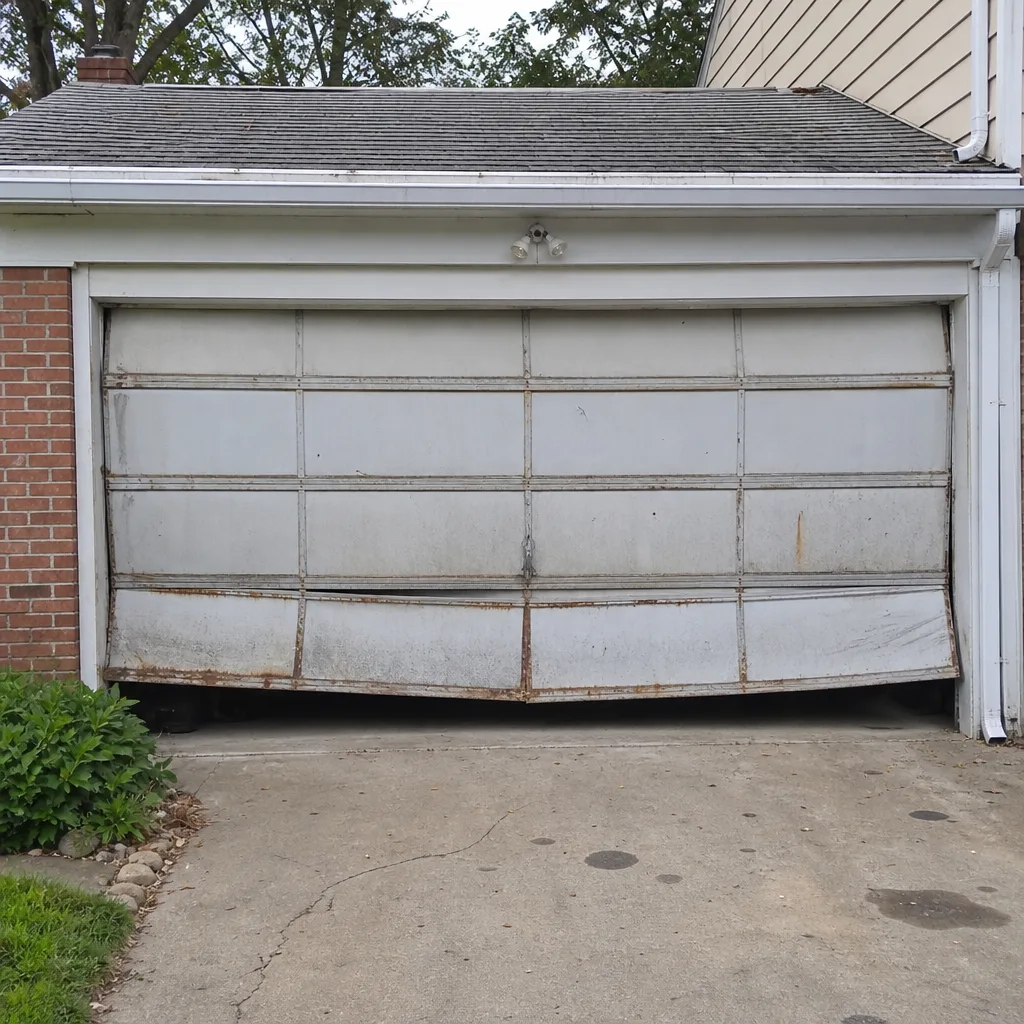 Before
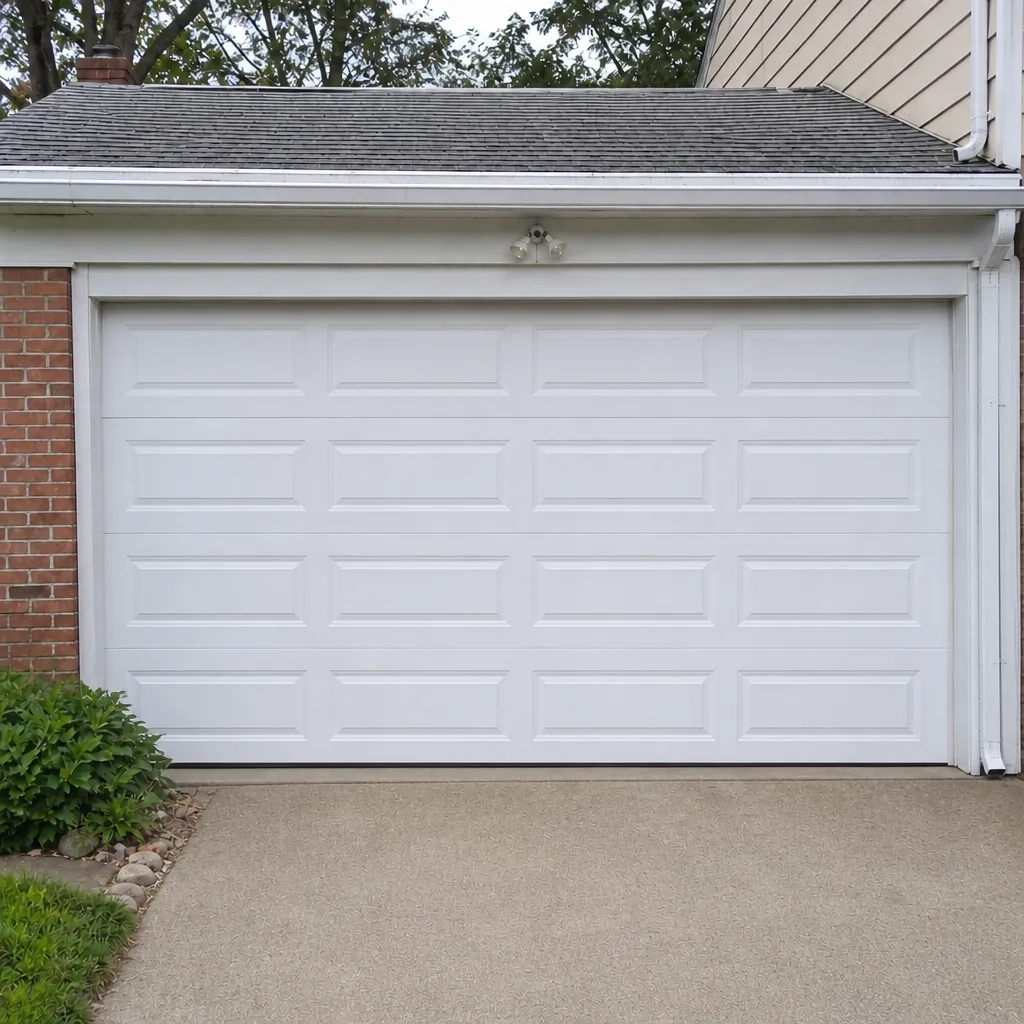 After
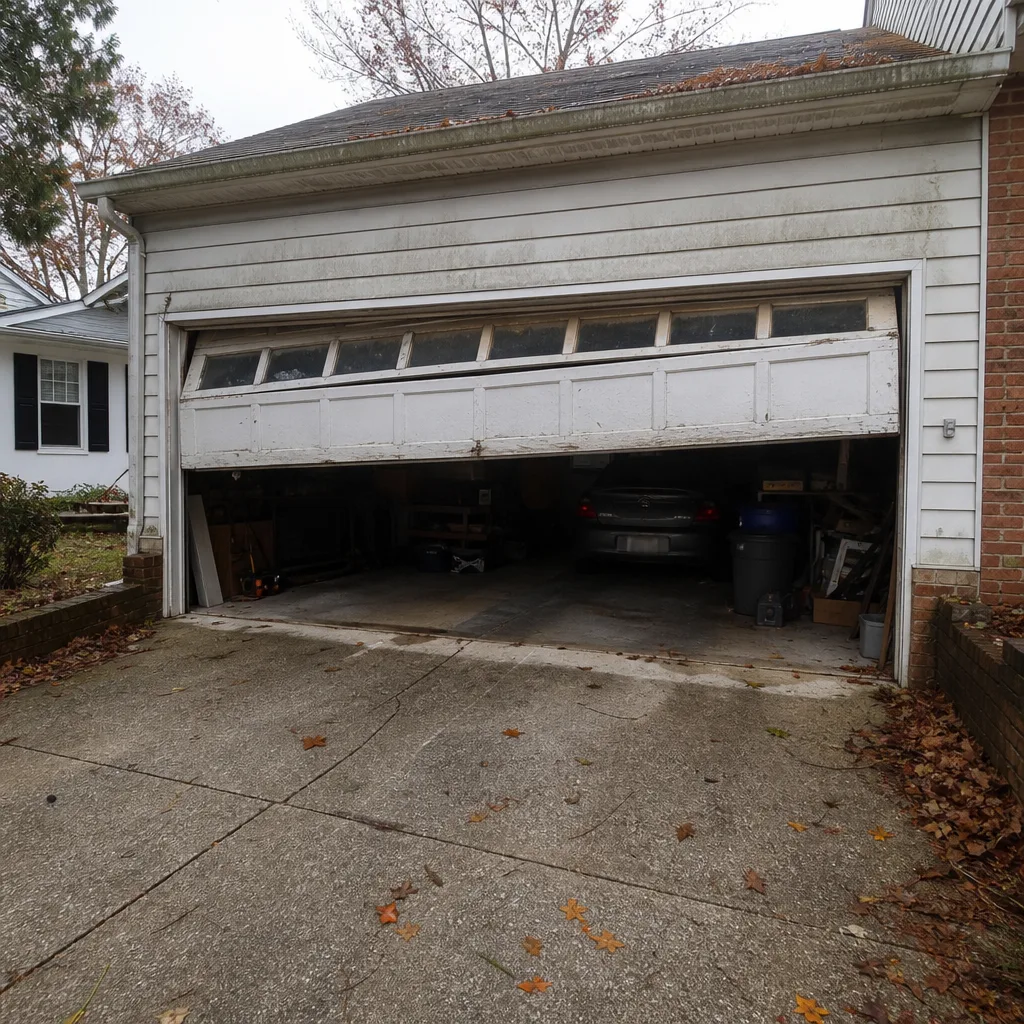 Before
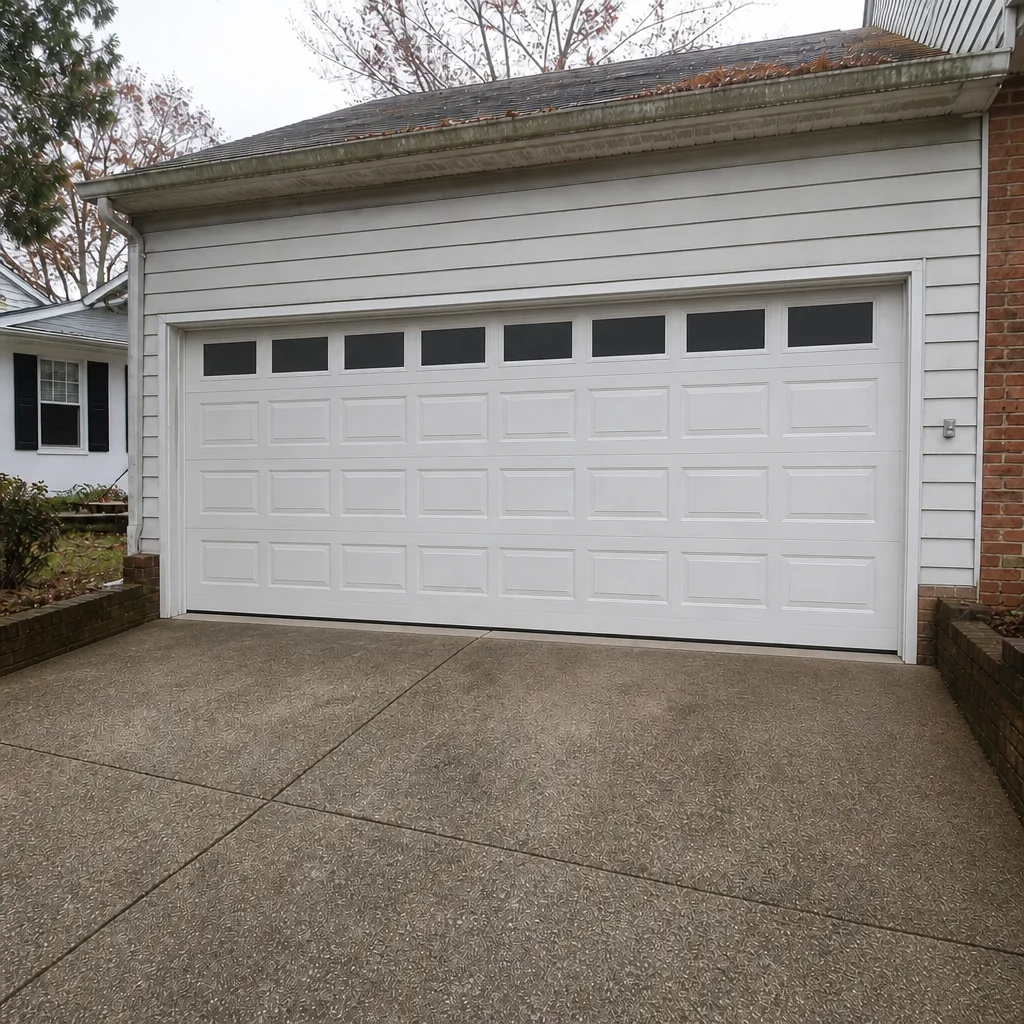 After
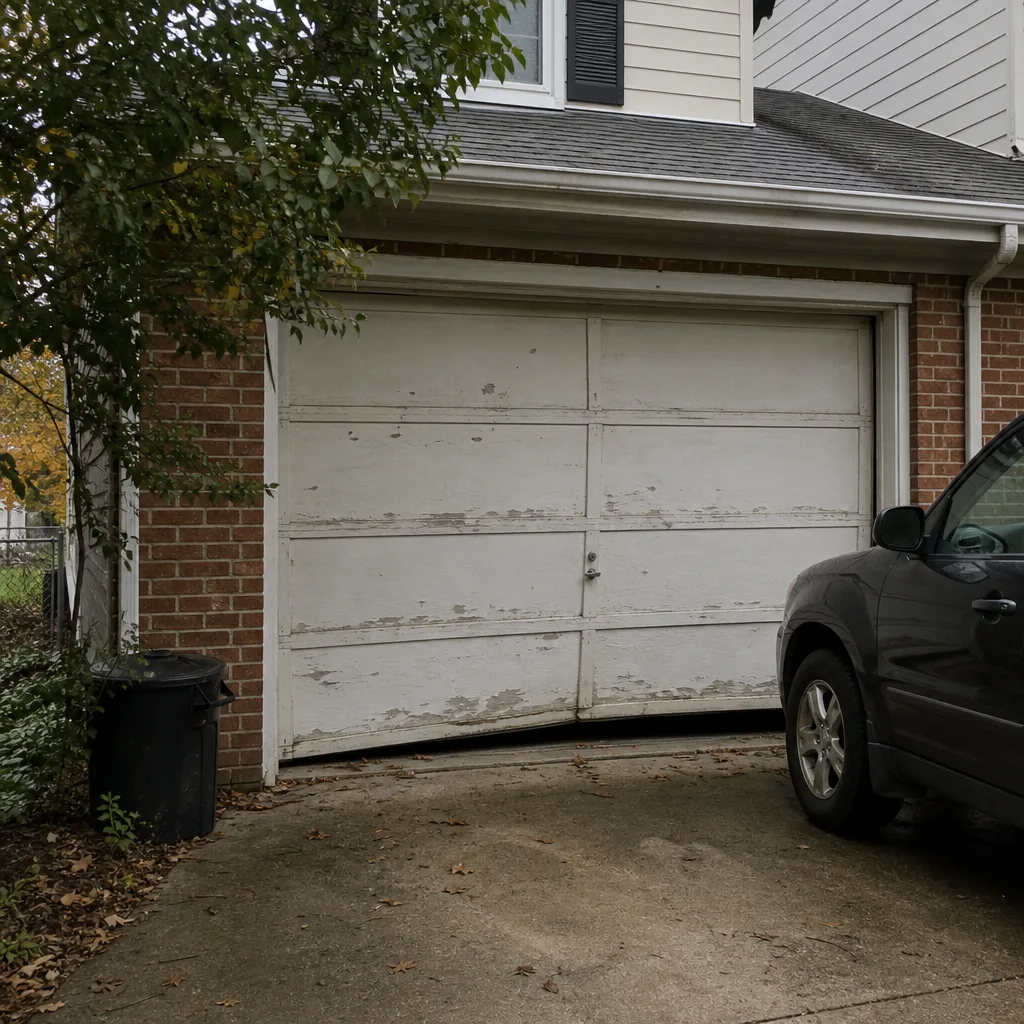 Before
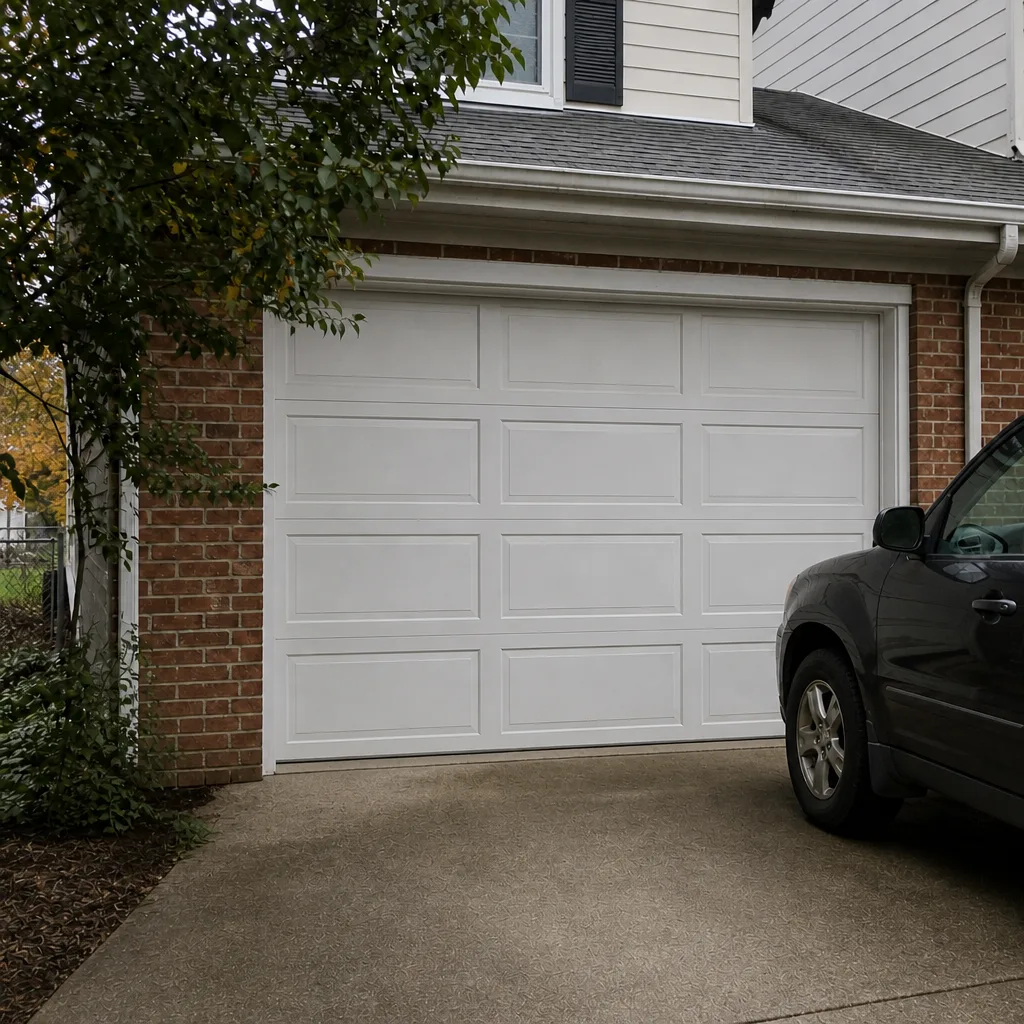 After
When to Call a Professional
Call us when the door won’t lift, when the door won’t stay put when you lift it by hand, when you’ve heard a snap from the spring area, when a cable is visibly frayed, when the door has come off one side of the track, or when the opener runs but the door doesn’t move. Call when the door is binding, grinding, or noticeably heavy, because those are the failures that wear everything else out. And call when a panel is damaged badly enough that the seal or the bottom bracket is compromised. Torsion springs, cables, and electrical connections on the opener are not a homeowner job, and no guide should pretend otherwise. Towson Garage Door Repair Pros offers free estimates in Towson, and our technicians have up to 13 years of experience. Call (844) 931-3676.
Frequently Asked Questions
Spring replacement in Towson typically runs $180 – $340 for one spring. A matched pair is usually replaced together, so a pair costs about twice that. Call (844) 931-3676 for an exact quote; estimates are free.
Emergency garage door service is a real service line for us, so a stuck door gets priority. Call (844) 931-3676. A same-day spring or track issue is often possible, and a replacement door is scheduled after a measure.
No. The price on the written estimate is the price, and it’s agreed before any work starts. If the diagnosis reveals something different, the technician shows you what they found before touching anything. Call (844) 931-3676 for a free estimate.
The local professionals we connect you with are licensed and insured as the State of Maryland requires. We don’t quote license or insurance numbers here; we confirm them before the technician arrives.
We work on the brands most Towson homes already have, including LiftMaster, Chamberlain, Genie, Clopay, Amarr, Wayne Dalton, Craftsman, and Raynor. If your opener or door is one of those, the diagnosis starts from a known system. Call (844) 931-3676.
Repair when a component has failed and the door is otherwise sound; replace when the door is out of balance across the whole system, multiple panels are failing, or the repair climbs past half the price of a new door. A free measure gives you the written number. Call (844) 931-3676.
The Bottom Line
Your garage door is a system of six parts, not a single slab, and the interaction between them is what makes the difference between a same-day repair and a full replacement. Learn what each component does and how it fails, and you’ll catch the warning signs before they become expensive. Sweep the seals, keep the tracks dry, listen for new noises, and don’t touch the springs or cables. When something does need professional attention, get a written estimate before work starts, so the price stays what you agreed to. Whether it’s garage door spring repair, an opener that’s given up, a panel that needs replacing, or a full new door, our technicians have up to 13 years of experience and we’re ready. For a free estimate, call (844) 931-3676.
If you’re looking for a starting point, our Towson Garage Door Repair Pros guide gives you the full breadth of what we handle in the Towson area.
Written by the team at Towson Garage Door Repair Pros.