Last updated November 21, 2026
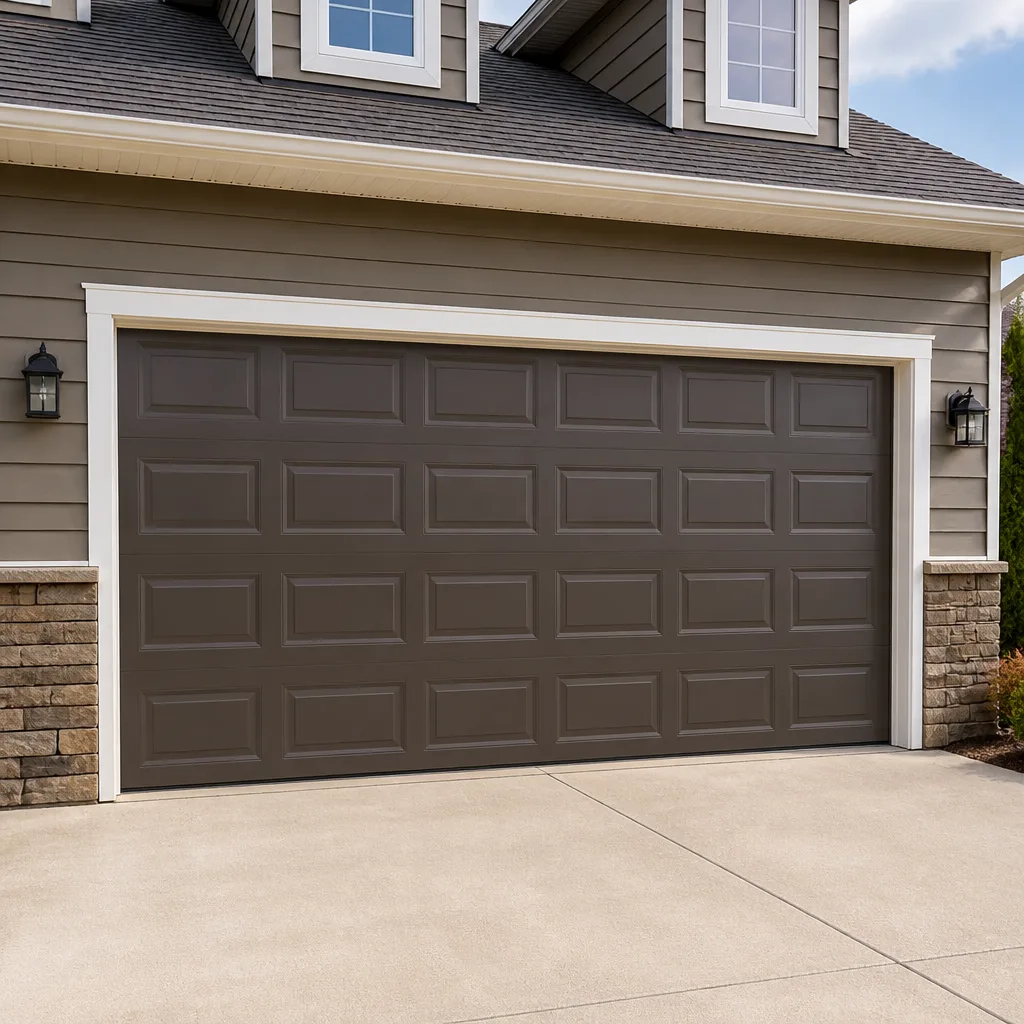 Raised-panel steel
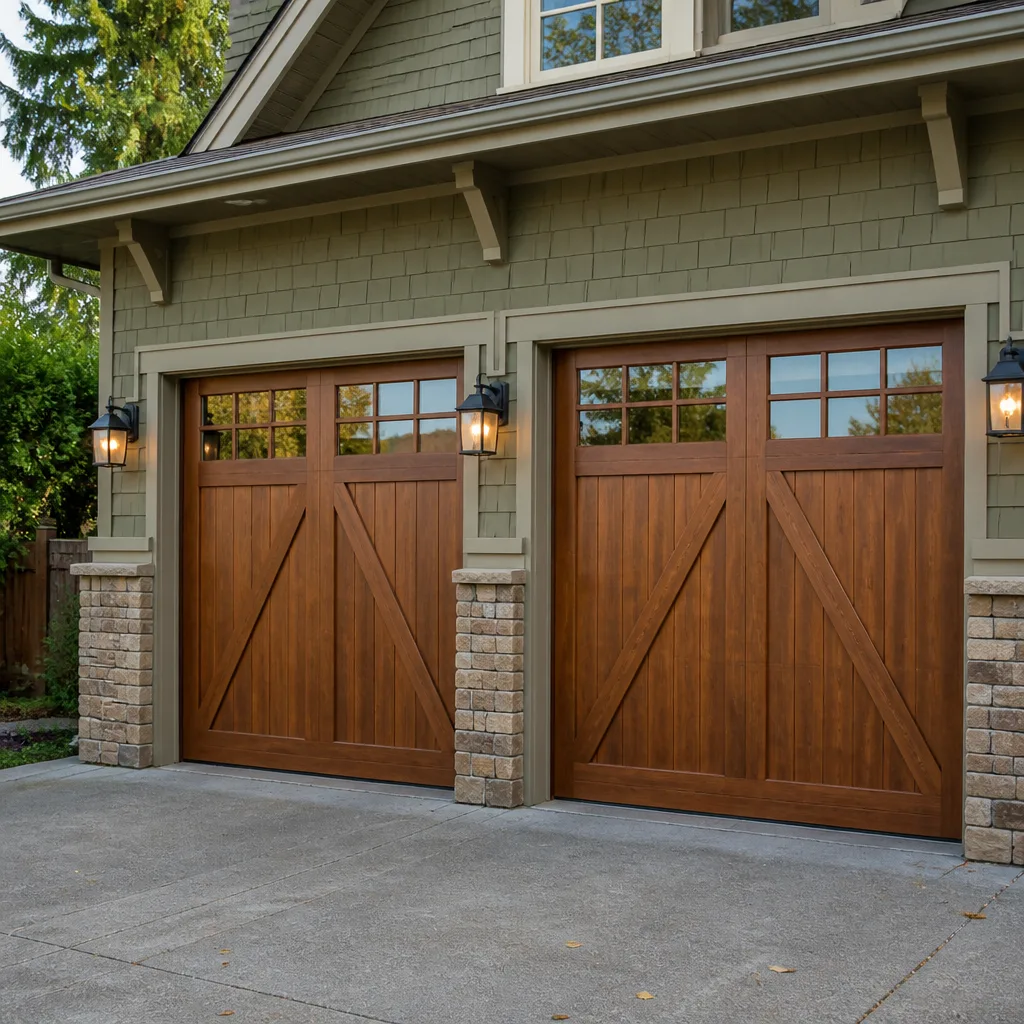 Carriage house
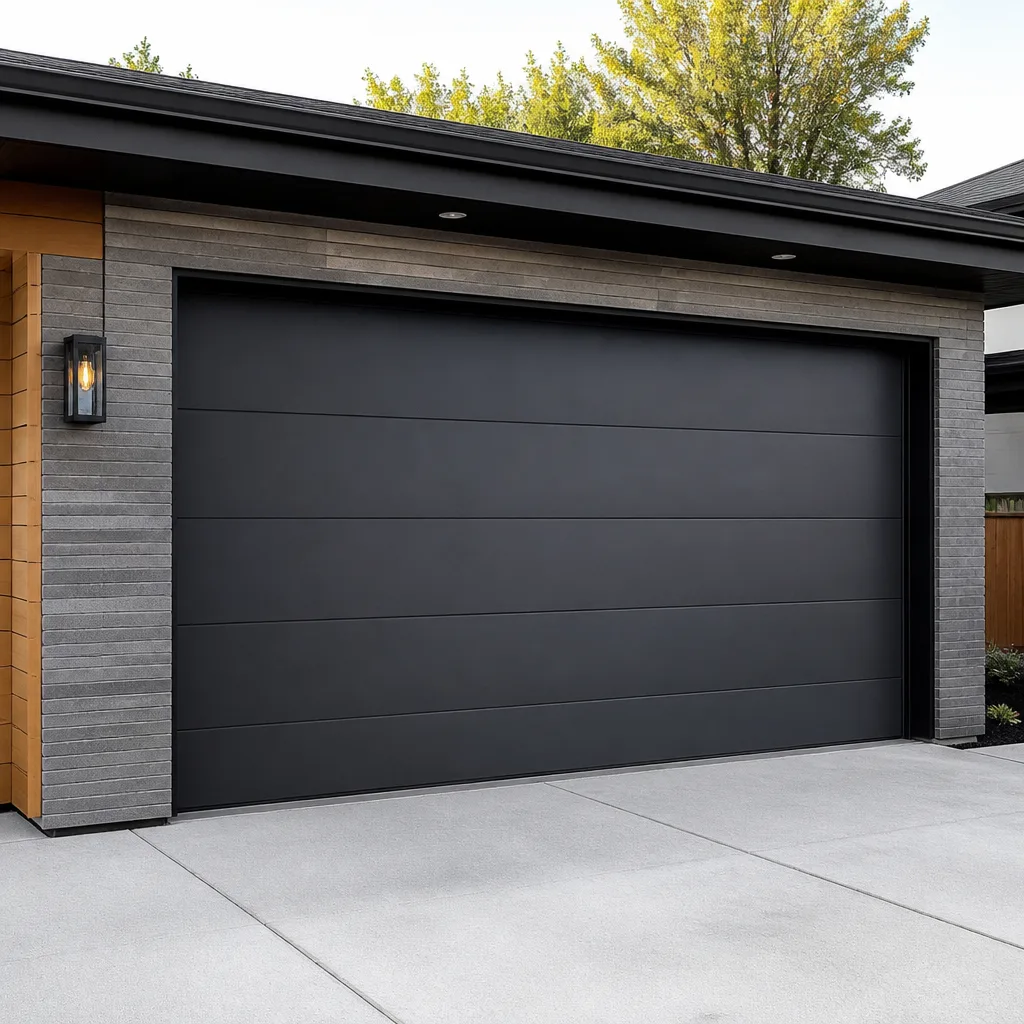 Modern flush
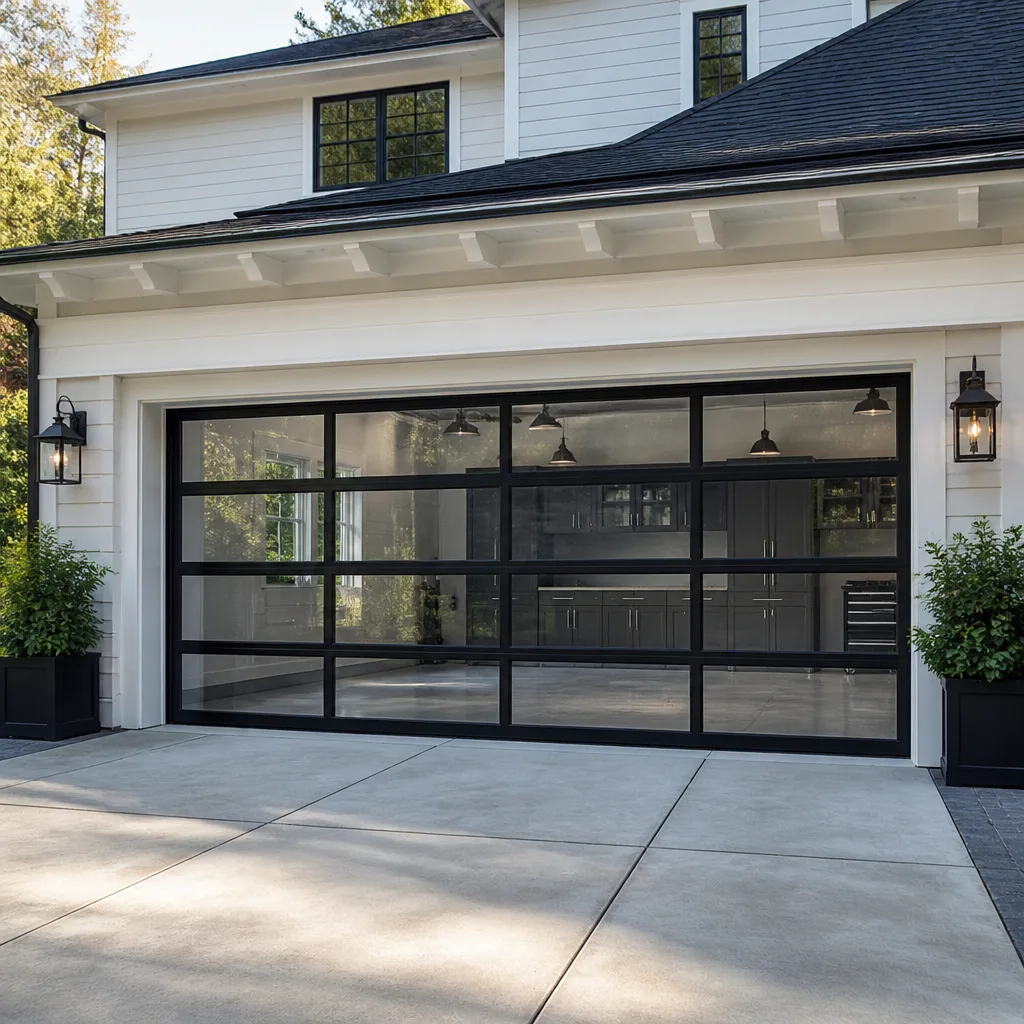 Full-view glass
 LiftMaster openers
 Chamberlain openers
Full 25-point door and opener safety check with every visit - springs, cables, rollers, tracks, and your LiftMaster or Chamberlain opener included
You get a price before we start. It does not change when the pro arrives.
Get your free estimateGarage Door Repair Troubleshooting in Towson: Common Problems and How to Fix Them
The door didn’t break this morning. It broke three months ago. What you’re hearing now is just the point where a worn roller, a dry hinge, or a tired spring finally got loud enough to notice. Most garage door failures develop slowly and announce themselves with sounds and small symptoms long before the door stops moving, which is exactly why troubleshooting pays off. In this guide, we walk through the six mechanical categories every garage door problem falls into, show you how to map a symptom to its root cause, and spell out which fixes are safe to try and which ones need trained hands. By the end, you’ll know what’s wrong with your Towson door and what to do next.
Quick Answer
Most garage door problems trace back to one of six mechanical categories: springs, cables, tracks and rollers, the opener, sensors and safety systems, or the door panels themselves. You can safely narrow it down by listening to the noise, checking whether the opener runs without moving the door, and confirming the safety sensors aren’t blocked. Spring and cable failures are not a DIY repair under any circumstances and should be handled by a trained technician.
Styles & brands we work with
- Raised-panel steel
- Carriage house
- Modern flush
- Full-view glass
- LiftMaster openers
- Chamberlain openers
Table of Contents
- The Symptom-to-Cause Matrix: What Your Door Is Telling You
- How to Tell If It’s the Opener, Springs, Tracks, or Cables
- Which DIY Fixes Are Safe (and Which Ones Are Not)
- How Towson’s Temperature Swings Accelerate Certain Failures
- The Stop-Point: When the Door Is Too Dangerous to Operate
- Opener-Specific Troubleshooting for Modern and Legacy Systems
- Scheduled Repair vs. Emergency Repair: Knowing the Difference
The Symptom-to-Cause Matrix: What Your Door Is Telling You
Your door is communicating, and the first step in troubleshooting is learning its language. Grinding, squealing, and banging are three completely different problems pointing at three completely different parts, and treating a squeal like a bang wastes money. Here’s how we map it.
Grinding. A low grinding sound, usually at the start or end of travel, almost always points to rollers that have lost their bearings or a torsion tube that’s dry. A grinding noise coming from the opener head itself usually indicates internal gear wear, common on older units from LiftMaster or Chamberlain after years of use. The grinding is metal-on-metal contact; the component is no longer gliding, it’s scraping.
Squealing. High-pitched squealing is usually a lubrication problem. Hinges, rollers, and the torsion tube all need periodic lubrication, and when they dry out, the sound is the friction. This is the least serious of the three and the one most often ignored until it becomes grinding.
Banging. A loud bang, especially a single sharp one, is the classic sound of a broken torsion spring. If the door won’t lift after the bang, you have your answer. Banging on every cycle, though, usually means the door is out of balance, and the opener is fighting the full weight of the door.
Clicking or humming without motion. This is an opener problem. The motor is trying to run, but something is preventing movement: a stripped gear, a failed capacitor, or a safety sensor telling the opener to reverse.
Rattling. Loose hardware. The bolts and brackets that hold the panels together and mount the door to the jamb have worked loose over time, and they need to be tightened, not replaced.
No sound at all. Usually a power, remote, or control-board issue, and worth checking the wall switch and breaker first before assuming opener failure.
Write down what you hear and when you hear it, at open, while opening, at close, or while closing. That detail is exactly what a technician uses to arrive prepared, and it’s the kind of information that shortens a repair call from a diagnosis visit to a same-visit fix.
How to Tell If It’s the Opener, Springs, Tracks, or Cables
Before you call anyone, you can safely narrow the problem to one of four systems without touching moving parts. These steps take about ten minutes and don’t put your hands anywhere near tension.
- Watch the opener run. Pull the emergency release cord to disconnect the door from the opener, then press the wall switch. If the opener runs but the door doesn’t move (with the door already disconnected), the problem is the opener. If the opener groans and stops immediately, it may be a stripped gear or a failed capacitor. Never pull the release cord while the door is open; do it with the door fully closed.
- Lift the door by hand. With the door disconnected, lift it slowly. A properly balanced door should lift with light, even pressure and stay put when you let go at the halfway point. If it feels heavy, drops when you let go, or won’t stay up, you likely have a spring problem. Stop lifting if it feels unusually heavy.
- Look at the tracks, not the panels. Sight down each track like a rifle barrel. Any bend, kink, or visible gap where panels meet the track is a track problem. Never try to bend a track back with a hammer; a misaligned track can send the door off the rails.
- Inspect the cables for slack or fraying. The cables are the thin steel wires that run along the sides. If one side looks slack, frayed, or has visible broken strands, that’s a cable failure. Do not operate the door; cables are under high tension and can snap.
- Check the safety sensors. Look at the two lenses near the floor on either side of the door. Each should have a steady light. If either is blinking or dark, the sensor is misaligned, blocked, or dirty. Wipe the lenses and realign them with a gentle nudge.
By the end of those five steps, most Towson homeowners know whether they have an opener problem, a spring problem, a track problem, or a cable problem. That single piece of information changes the conversation when you call. If you’re still not sure which system has failed, our team at Towson Garage Door Repair Pros can walk through a diagnosis over the phone before booking a visit.
Which DIY Fixes Are Safe (and Which Ones Are Not)
Not all garage door repairs are created equal. Some fixes are genuinely within the reach of a careful homeowner with a stepladder. Others are not DIY under any circumstances, no matter how handy you are or how many videos you’ve watched. Knowing the line protects your hands, your door, and your wallet.
Safe to try yourself:
- Lubrication. A silicone-based or lithium grease applied to the hinges, rollers, and torsion tube is safe and needed once or twice a year. Never use WD-40 on garage door tracks; it attracts dirt and eventually gums up the mechanism.
- Sensor alignment. Gently nudging the sensor lenses until both indicator lights are steady is safe and usually solves the “door goes up but won’t come down” problem.
- Track cleaning. Wiping down the tracks with a damp cloth removes built-up grime that can cause the door to drag. Do not use solvents.
- Tightening loose hardware. A socket wrench on the bolts and brackets that hold the panels is safe with the door closed and disconnected. Don’t over-tighten; you can crack the panel or strip the bolts.
- Replacing the battery in your remote or keypad. Always the first step when a remote stops responding.
Not safe under any circumstances:
- Spring replacement. Torsion and extension springs are under enormous stored tension. If you’ve ever heard the phrase “the spring store the energy of a small car,” believe it. A spring that releases while you’re working on it can cause serious injury. Spring repair demands specific tools and trained hands; it’s not a skill issue, it’s a physics issue.
- Cable replacement or tightening. Cables are also under high tension. A cable that snaps can cause injury and can also send the door crashing down.
- Adjusting the torsion tube. Any work on the torsion assembly requires winding bars and the knowledge of how many turns the spring needs. There is no safe shortcut.
- Bending tracks back into place. A bent track is a structural problem, not a cosmetic one. Forcing it back can send the door off the rails and cause panel damage.
- Replacing panels that have damaged hardware attached. If a panel holds a hinge or bracket under tension, replace the whole assembly, not just the panel.
One thing we see often in Towson is a homeowner who successfully identifies a spring problem and then tries a DIY replacement because the part is available at a big-box store. The part being sold to you doesn’t make the repair safe. Spring repair is one service we treat as a specialty, not an afterthought. If you suspect a spring failure, the right move is to keep the door closed and call garage door spring repair.
How Towson’s Temperature Swings Accelerate Certain Failures
Towson’s climate moves fast between the seasons. Summer heat and humidity give way to real winter cold, and that swing is hard on garage doors. It’s not that the door fails because of the weather; it’s that the weather accelerates failures that were already developing.
Track warping in summer heat. Steel tracks expand and contract with temperature. A track that’s slightly out of alignment in April can become noticeably binding by July because the metal has expanded. Once the door is running heavy in the heat, the opener is working harder, and the extra strain shows up as premature gear wear. If your door runs fine on cool mornings but drags by afternoon in August, suspect track alignment.
Grease thickening in winter cold. The lubricant on your rollers, hinges, and torsion tube thickens as temperatures drop. What was a smooth glide in October becomes a sticky drag in January. The opener has to work harder to push the door, and on cold mornings you’ll hear the strain. That’s why a winter lubrication pass, done before the first hard freeze, is worth the fifteen minutes.
Spring fatigue at the seasonal flip. Springs work within a temperature range too. A spring that’s near the end of its cycle count is more likely to fail on the first cold morning after a mild stretch than in stable weather. If you hear a single sharp bang on a cold Towson morning, that’s the pattern.
Contraction and gap formation at the bottom seal. The rubber bottom seal contracts in cold weather, leaving a visible gap between the door and the floor. That gap lets in cold air and, depending on how your garage is built, can let in water. Replacing the seal is a quick fix, and worth doing before winter.
Panel and hinge stress from thermal movement. Wood-composite and steel-backed panels both respond to swings in humidity and temperature. Panels can bow slightly, hinges can loosen, and structural hardware can work free. If you notice a small gap where there wasn’t one a few months ago, that’s the seasonal signature.
Knowing that Towson’s seasons drive certain failures helps you time your maintenance. Lubricate in the late fall, inspect tracks in the early summer after the heat sets in, and check the bottom seal going into any cold stretch. Our technicians have up to 13 years of experience working on Towson doors through all four seasons, and the pattern repeats every year.
The Stop-Point: When the Door Is Too Dangerous to Operate
Some garage door symptoms mean “call a professional soon.” Others mean “stop, don’t touch, and call now.” Knowing the difference is the most important part of troubleshooting. A door that’s dangerous to operate should stay closed until a technician arrives.
Stop immediately and don’t operate the door if:
- The door is hanging from one side. A door supported by only one cable or one intact corner is actively failing. Cycling it can drop the door.
- A broken spring is visible. You’ll see it as a gap in the coil at the top of the door or a curled extension spring on the side. The door is now unsupported and the opener is trying to lift full weight. Don’t use it.
- A cable is slack, frayed, or hanging. Slack means the tension is already released somewhere, and the door can drop when you least expect it.
- The door has come out of its tracks. A misaligned door that catches on a track can fall or fly off the rails. If the bottom of the door is off the track, don’t force it back.
- The door won’t stay down when you release it. If the door rolls back up after you’ve closed it manually from a mid-height position, that’s a spring or balance failure and the door is unsafe to operate.
- You hear any loud crack or bang from a spring. Treat it as a broken spring until proven otherwise.
In those cases, the safest move is to disconnect the opener (using the release cord with the door fully closed), leave the door closed, and call. If the door is stuck open and you have a security concern, that’s exactly what emergency garage door service is for; when the door won’t move, we do. The right person on the phone can talk you through making the situation safe before a technician arrives. Don’t try to force the door to a closed position by hand.
Other symptoms are urgent but not emergencies. A door that opens three inches and stops, an opener that hums but doesn’t move, or a sensor that won’t clear all warrant a call, but you can safely leave the door where it is overnight and schedule service.
Opener-Specific Troubleshooting for Modern and Legacy Systems
The opener is where “troubleshooting” turns into a home electronics problem rather than a mechanical one. What you want to know first is whether the opener is dead or whether it’s being told to fail by something else. That distinction is worth the effort because a Door opener that’s “broken” is often a sensor, wall switch, or remote issue.
Start with the wall switch. Press and hold it for a full second. If the door doesn’t move, the problem is in the opener or its power. If the door moves from the wall switch but not the remote, the problem is in the remote or its battery. If neither works, check the breaker panel first.
For modern smart openers, LiftMaster’s myQ-enabled units and Chamberlain’s newer models both require the wall control to be functioning before app control will work; if the wall switch is dark, the app won’t respond either. Genie openers from the legacy period tend to have a smaller control board and less tolerance for power surges, which is why a power event in Towson often shows up as a dead Genie opener afterward. A quick test on any of these is to press the wall switch while watching the opener head: if the internal light flickers on then off, the board is receiving power and the problem is downstream.
The safety sensors deserve special attention because they’re the most common cause of a door that won’t close. A blinking LED on either sensor means the beam is broken or misaligned. A steady light on both is good. Realigning a lens with a gentle push is safe. If one sensor is dark, it might have lost power at the wiring connection, especially if the wire runs through a garage where a car has ever bumped the lens.
If the opener runs and the door moves a few inches and stops, that’s usually a force-setting problem or a limited travel issue. The opener has decided the door is too heavy and is refusing to lift it. That’s a diagnostic signal, not an opener failure. Our technicians are familiar with the leading brands, including LiftMaster, Chamberlain, Genie, and their wired and smart-home-compatible models, so a call for garage door opener repair starts with an accurate diagnosis of the make and model you actually own.
Scheduled Repair vs. Emergency Repair: Knowing the Difference
Some garage door problems will let you plan a repair visit next week. Others can’t wait. Sorting the two right at the start saves you time and keeps your garage secure.
Schedule a repair if:
- The door is slow, noisy, or running heavy but still moving.
- A single roller or hinge is loose but the door is safely operating.
- It’s a single remote or keypad that has stopped working.
- The bottom seal has a gap and you want it replaced before cold weather.
- The opener has a minor quirk but consistently opens and closes the door.
- You’re planning a new door or opener and want it measured and ordered.
Call for emergency service if:
- The door is stuck open with no way to secure the garage.
- A spring or cable has clearly failed and the door is unsecured.
- The door is hanging from one side or off the tracks.
- You have a security concern and can’t safely close the garage.
- You need to leave the house and the garage can’t be secured.
We treat emergency service as a real service line, not a brochure promise. When a door fails and the home’s security matters right then, the situation calls for a real response, not a callback tomorrow. For scheduled repairs and installations, a free measure and a written price is the right next step. If you need to close out a broken door, our team at garage door repair can help you figure out whether it’s an emergency or something that can wait for a booked visit. If it’s the opener that’s failed, we can also arrange garage door opener repair at the same time.
Common Mistakes to Avoid
- Assuming a loud squeak is harmless because the door still works. A squeal is an early warning, and ignoring it often turns a lubrication job into a roller replacement. Two sentences: get the lubrication done; it’s a fifteen-minute job that prevents a much bigger one.
- Trying to lift a door that’s still attached to the opener. Pull the emergency release with the door fully closed before testing it by hand. Trying to lift it while the opener is engaged strains both the opener and the door. In Towson, this is one of the most common causes of opener gear damage we see.
- Using WD-40 in the tracks. It’s the wrong lubricant entirely; it attracts dust and eventually makes the door stick worse. Use a silicone-based or lithium grease.
- Bending tracks back into place with a hammer or pry bar. Tracks are structural. Forcing them back can send the door off the rails and into a panel, which turns a cheap fix into an expensive one.
- Ignoring a bottom-seal gap through the winter. That gap is the small opening that lets in cold air and, in a Towson garage, water when snowmelt runs under the door.
- Assuming a dead remote means a dead opener. Remotes fail after battery replacement more often than openers fail after a decade. Replace the remote, then test the opener with the wall switch.
- Trying to adjust a torsion spring yourself. Springs carry immense stored energy and cannot be safely handled without the right tools and training. There is no DIY version of this job.
See the difference
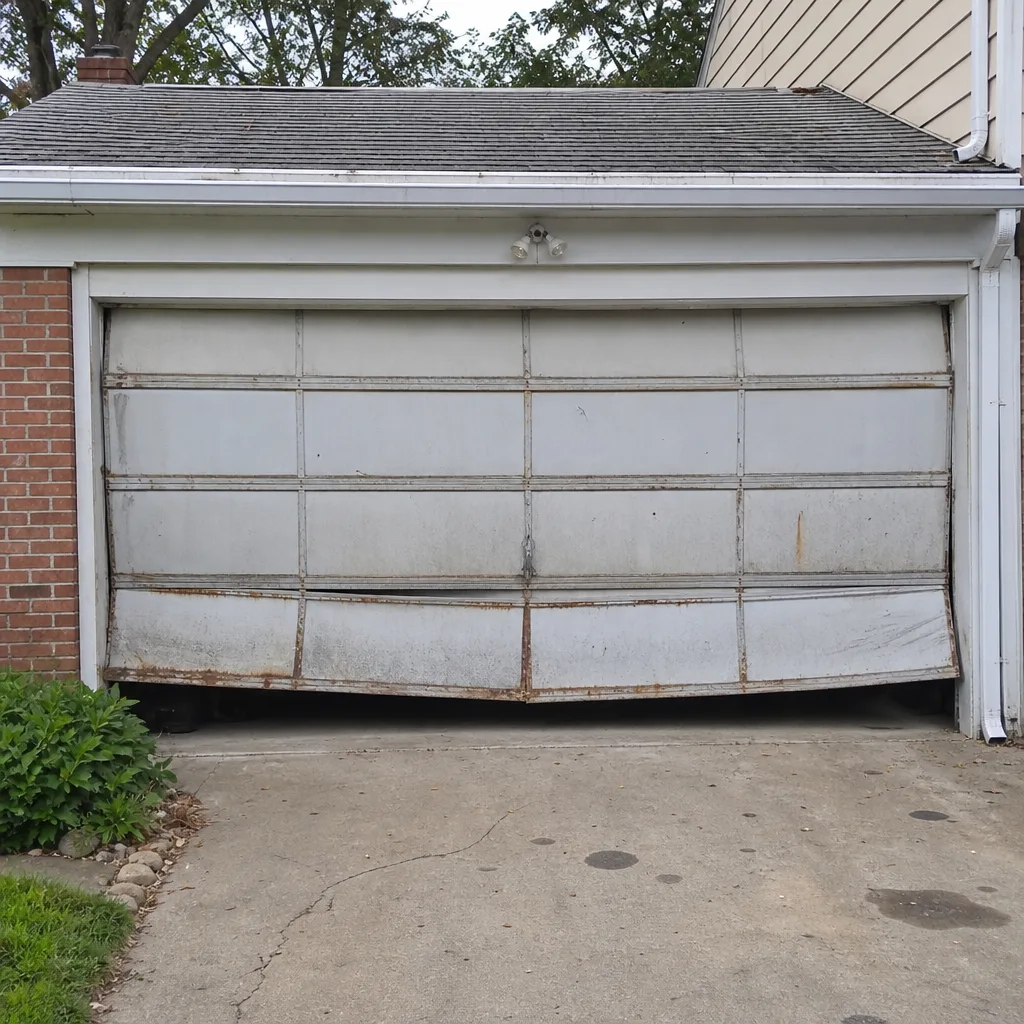 Before
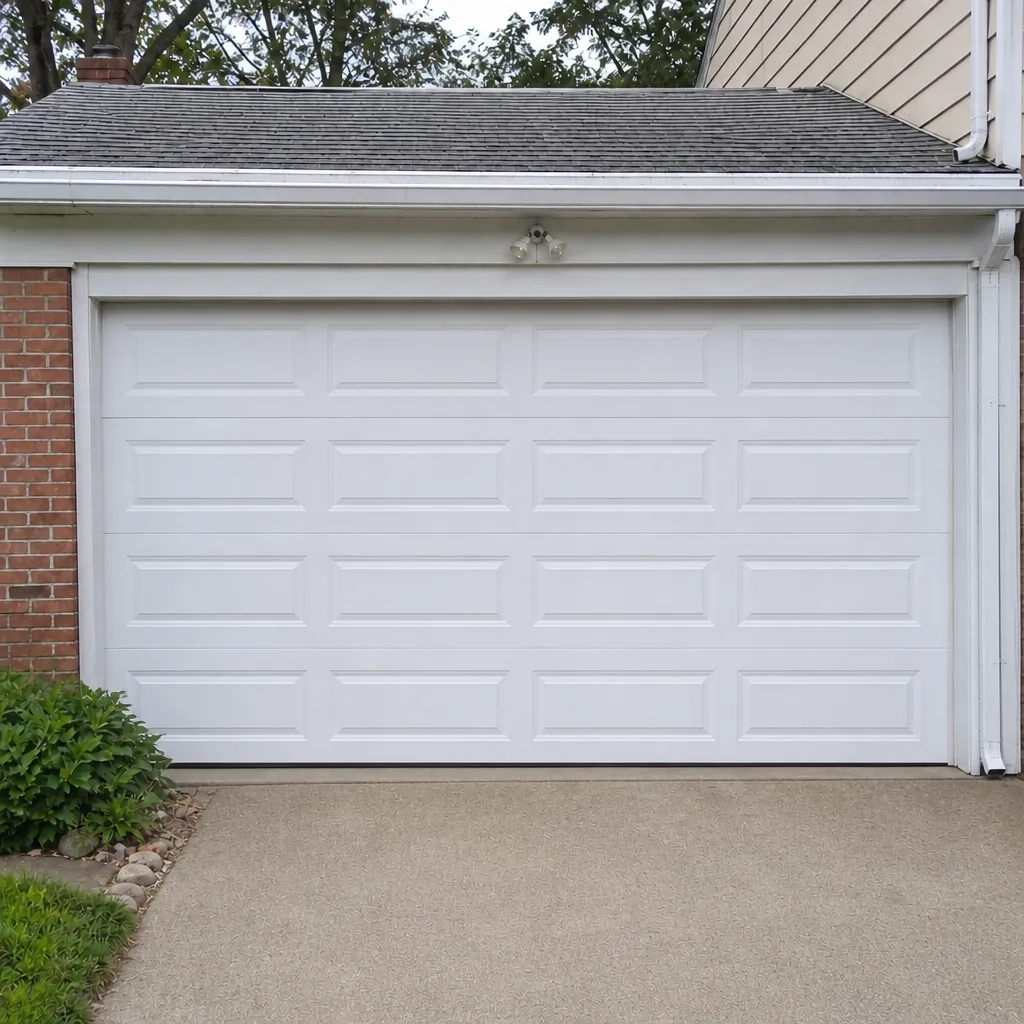 After
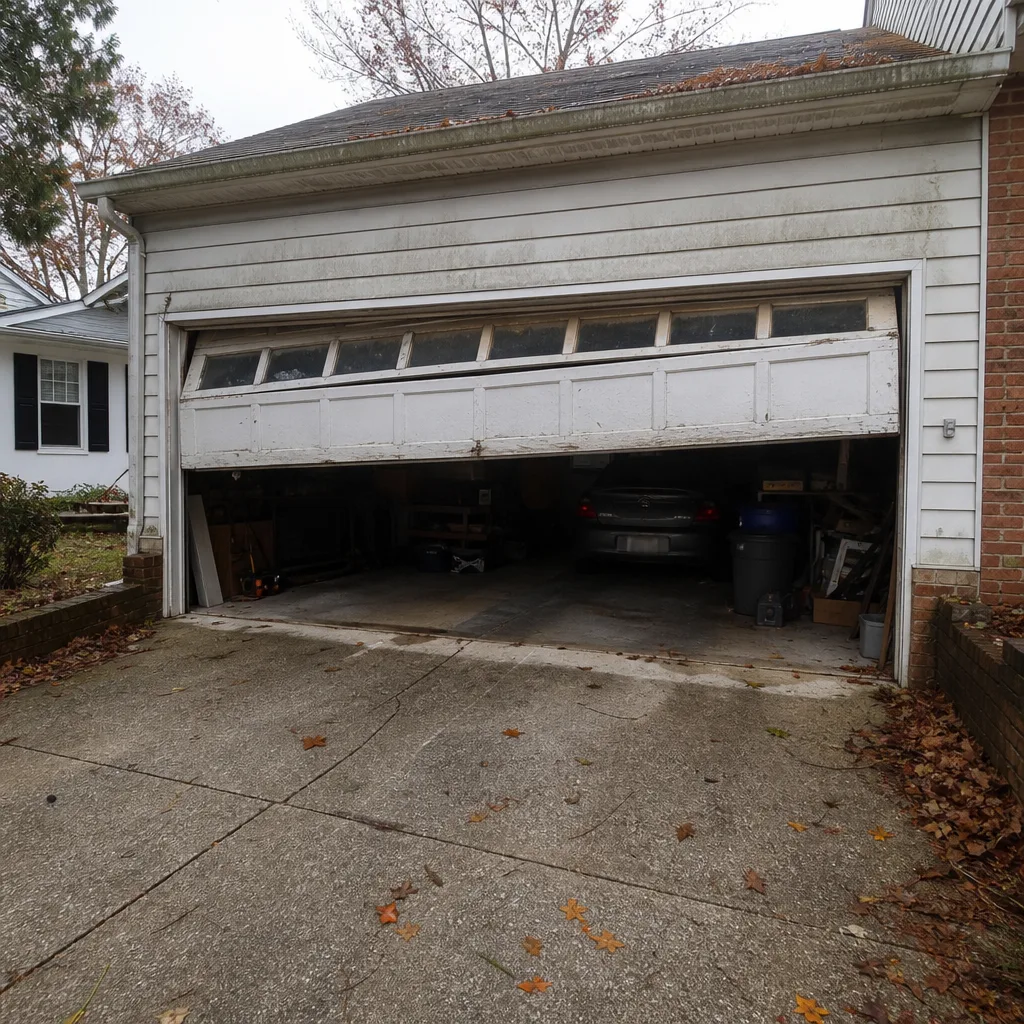 Before
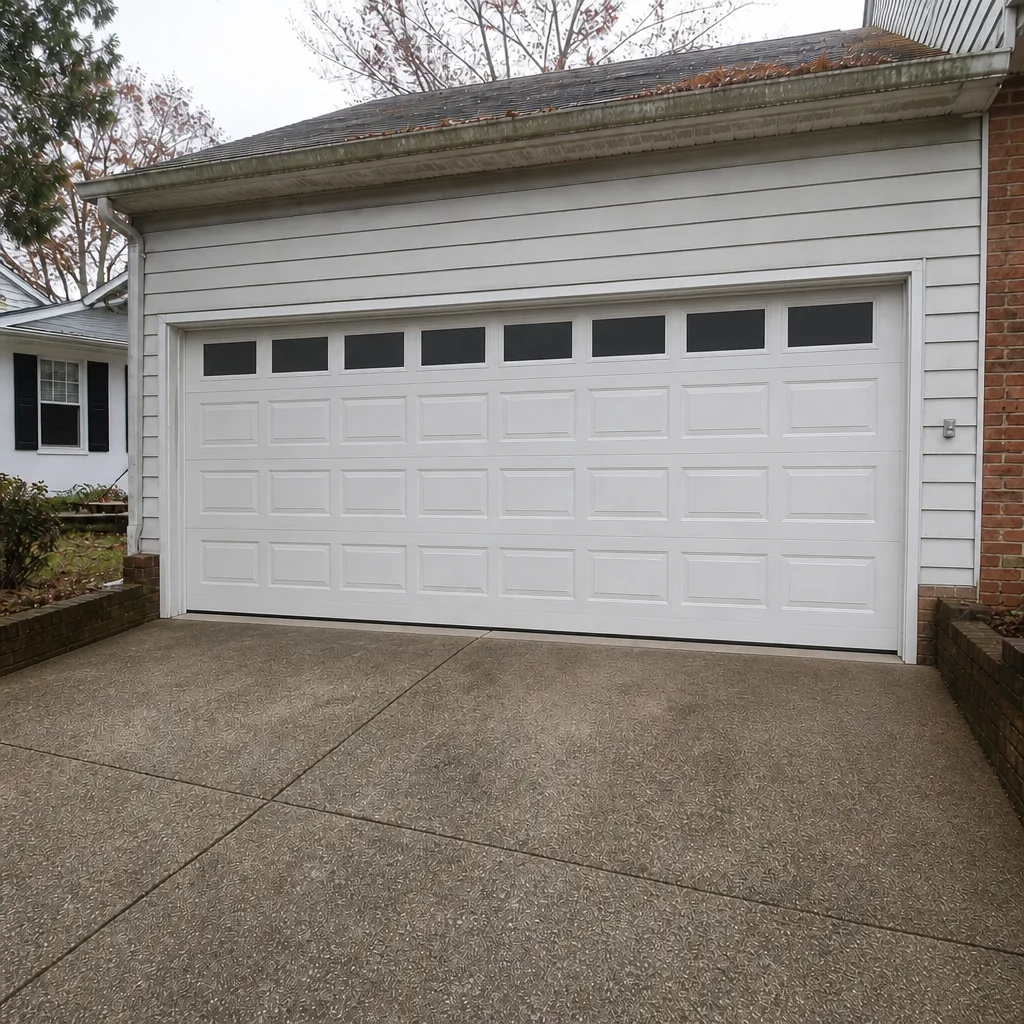 After
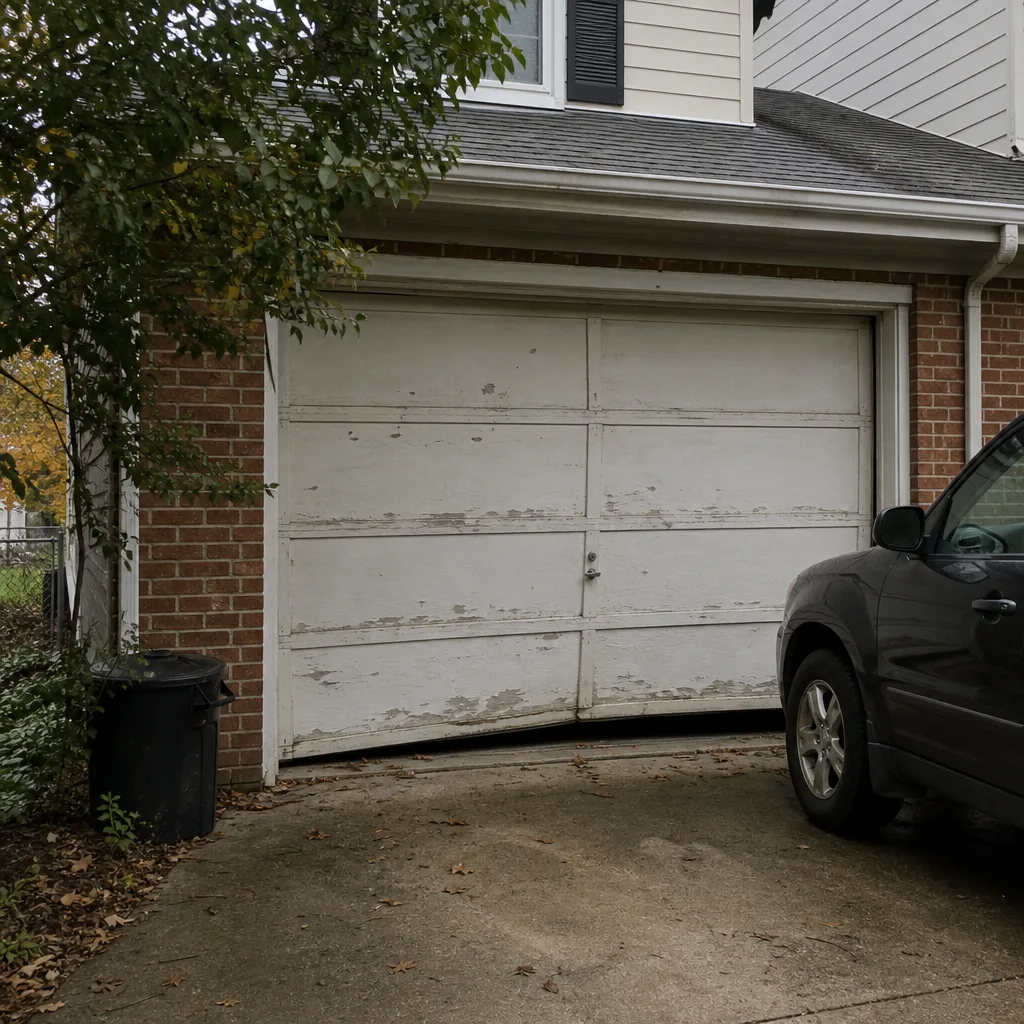 Before
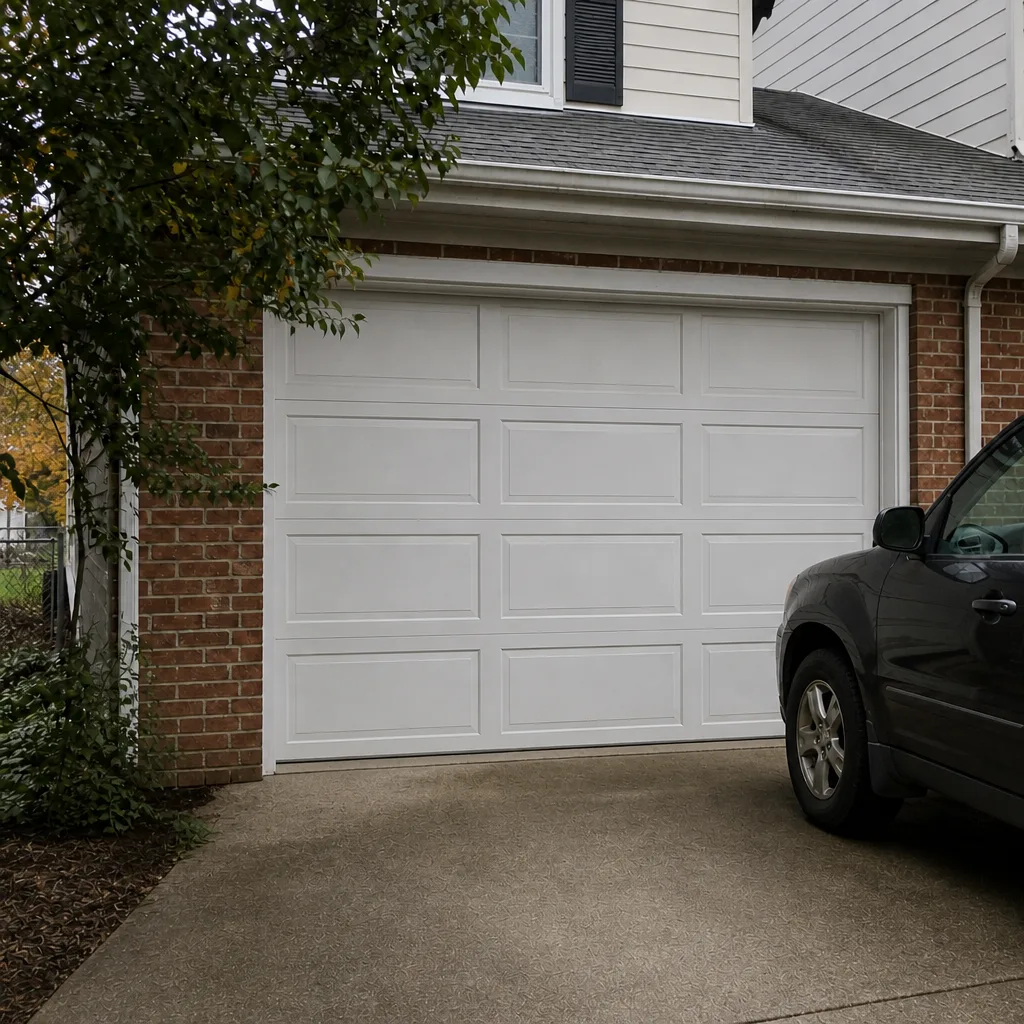 After
When to Call a Professional
Call a professional whenever the spring or cable system is involved, when the door is off the tracks, when a panel or hinge has failed while carrying weight, and whenever the door is unsafe to operate at all. Call a professional if you can’t confidently trace a symptom to a component, because guesswork on a garage door usually costs more than a diagnostic visit. And call a professional for anything involving the opener’s internal board or a motor that has stopped responding to the wall switch. Towson Garage Door Repair Pros offers free estimates in Towson; call (844) 931-3676 and describe what you’re seeing and hearing. Our technicians have up to 13 years of experience, and they arrive prepared to fix the brand and the component you actually have. Prices are quoted and agreed before any work starts. If a new door or opener is the right call, we book a measure and give you a written price before anything is ordered.
Frequently Asked Questions
Nine times out of ten, a humming opener that isn’t moving the door has lost its gear, its capacitor, or its force setting. The motor is trying to run but the gear is stripped or the door is too heavy to lift. Check the wall switch first, then check the safety sensors. If the opener runs from the wall switch but not the remote, the remote is the problem. If the opener hums and the door doesn’t move from either control, the problem is in the opener itself and needs a trained technician to diagnose the brand and model.
A broken torsion spring makes a single sharp bang and leaves the door too heavy to lift by hand. Look at the torsion tube above the door; a visible gap in the coil means it’s broken. Extension springs curl at the end when they fail. Don’t operate the door once you suspect a spring failure; keep it closed and call for garage door spring repair.
No. Torsion and extension springs are under extreme tension, and a spring that releases unexpectedly can cause serious injury. The parts are available at retail, but the tooling and the training for spring replacement are not something most homeowners have. Spring repair is specifically a trained-technician job, and it’s one we handle as a core service rather than a reluctant add-on.
Aim for twice a year: once before winter and once in the spring after the temperature swings settle. Towson’s seasonal shifts thicken the grease in cold weather and dry out lubricant in summer heat, so the door benefits from a fresh application at both ends of the calendar. Use a silicone-based or lithium grease on the hinges, rollers, and torsion tube. Never use standard WD-40 in the tracks.
Often yes, but not always. A door that lifts three or four inches and reverses usually has either a force-setting issue or a safety sensor misalignment. First check the sensor LED lights; both should be steady. If they are, the problem is likely the opener’s travel or force limit and needs a technician. Also check that the door isn’t binding against a track. If the door drags in either direction, that’s a mechanical problem the opener is correctly refusing to overcome.
Yes. When a spring or cable has failed and the door won’t close, or the door is stuck open and creating a security concern, that’s an emergency. Call (844) 931-3676 and describe the situation; our technicians can help you get the garage secured and book a visit. For doors that are simply loud or slow but still safely operating, a scheduled repair is the right call.
We work on the brands that show up most often in Towson garages, including LiftMaster, Chamberlain, Genie, Clopay, Amarr, Wayne Dalton, Craftsman, and Raynor. That covers the smart-home openers, the older legacy systems, and the door panels that come factory-matched to the hardware. If you’re not sure of the brand, we can tell you from a photo or a quick description.
Prices are quoted and agreed before any work starts, so the number you approve is the number you pay. Typical repairs run anywhere from a roller and hinge replacement to a full spring replacement, and the written estimate sets the final price. Call (844) 931-3676 for a free estimate and we’ll walk through the diagnosis, the parts needed, and the range before anything is scheduled.
The Bottom Line
Most garage door problems in Towson fit into one of six categories, and the symptom you’re hearing tells you which one. Grinding means rollers or a dry torsion tube, squealing means lubrication, banging means a spring failure, humming without motion means the opener, a blinking sensor light means the safety system, and a door that’s off its tracks means structural failure. The critical judgment call is which repairs are safe to try yourself (lubrication, sensor alignment, hardware tightening) and which ones aren’t (springs, cables, tracks under load). When the door is dangerous to operate, leave it closed and call trained hands. For everything from a snapped spring to a new door, one call covers it.
If you’re still narrowing down the problem, or if your door has crossed into stop-and-call territory, Towson Garage Door Repair Pros is ready with a free estimate. Call (844) 931-3676 and we’ll walk you through the next step, whether that’s a same-day repair or a scheduled measure for a door replacement. Prices are quoted and agreed before any work starts, so you always know exactly what you’re paying before the technician begins.
Written by the team at Towson Garage Door Repair Pros.