Last updated November 21, 2026
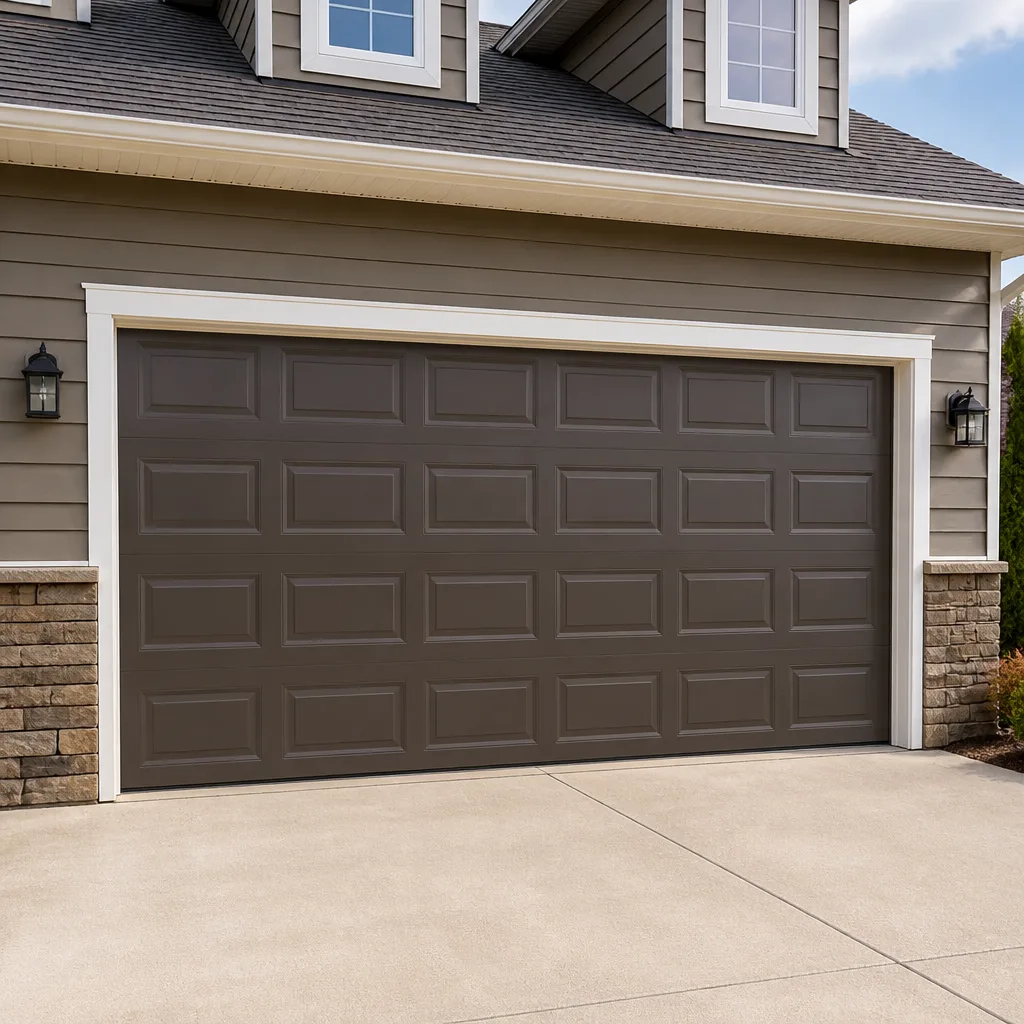 Raised-panel steel
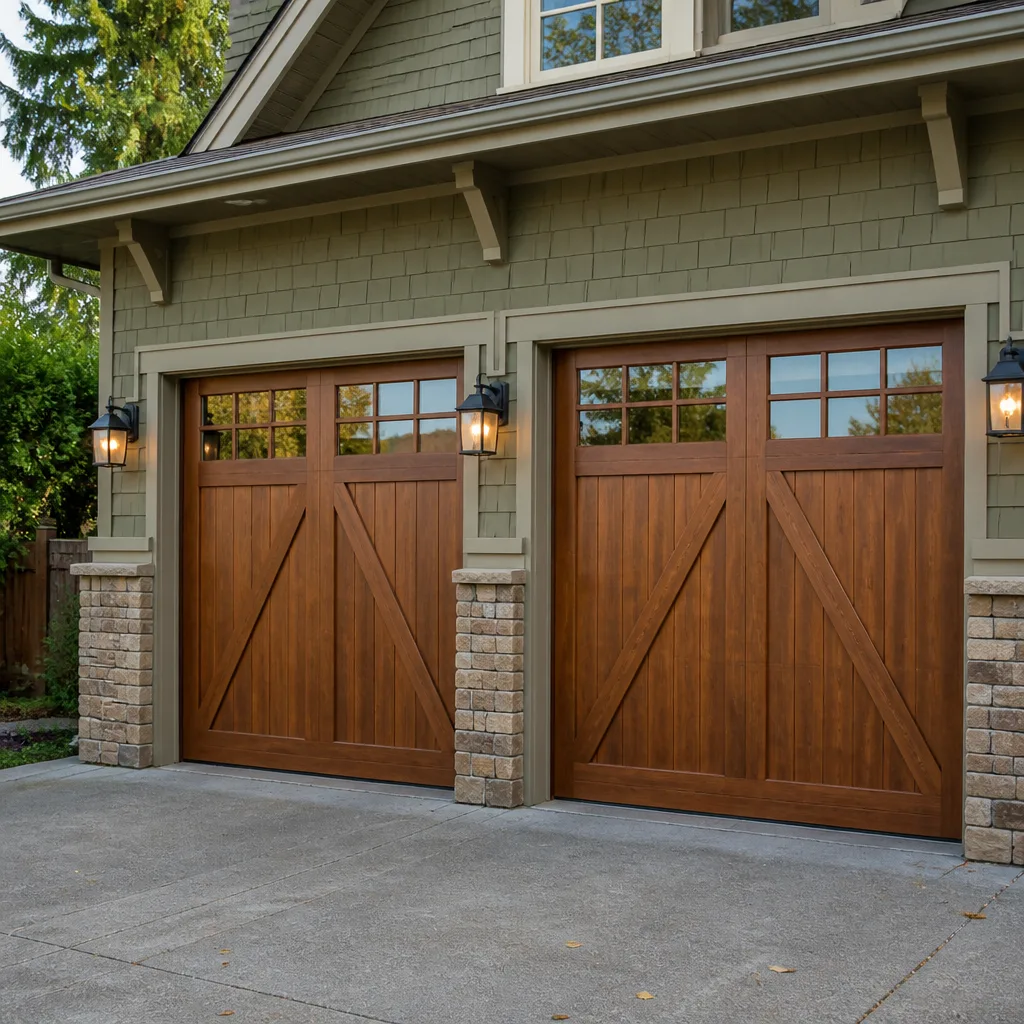 Carriage house
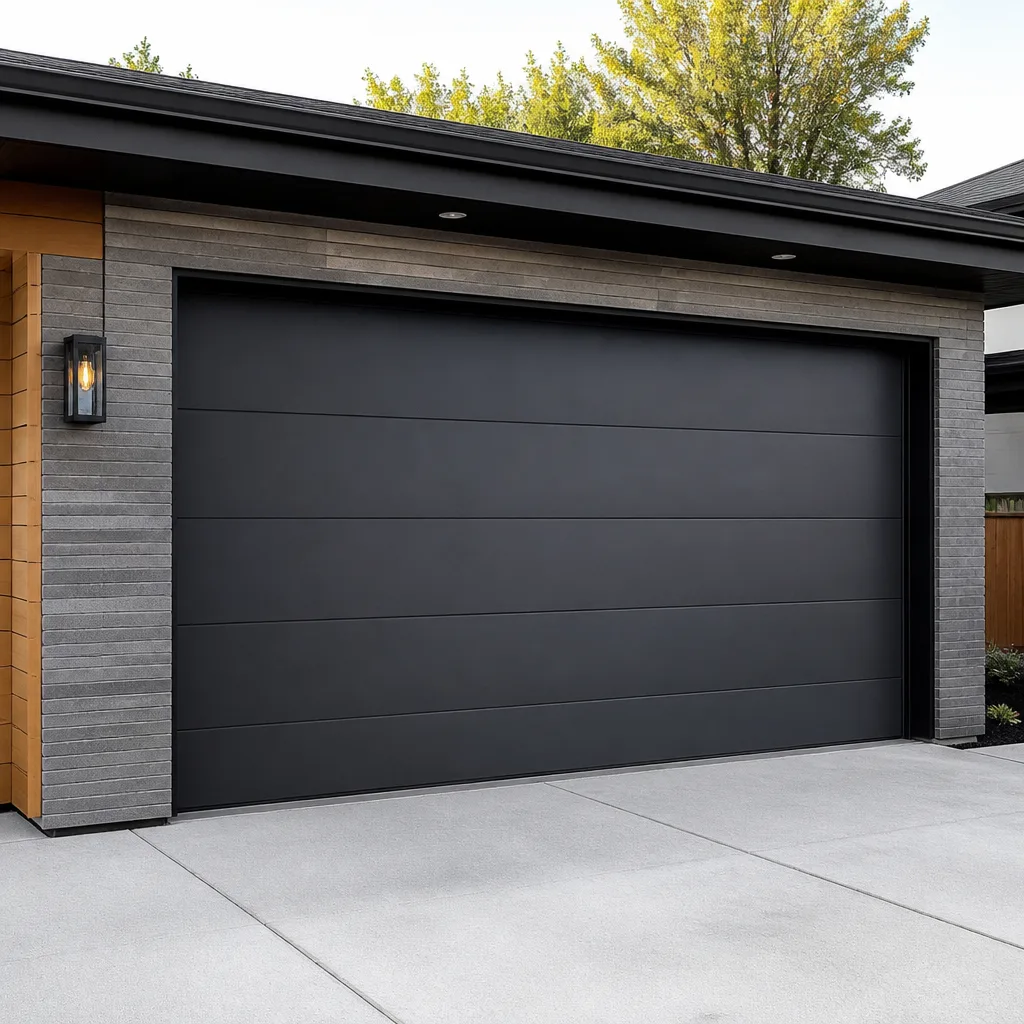 Modern flush
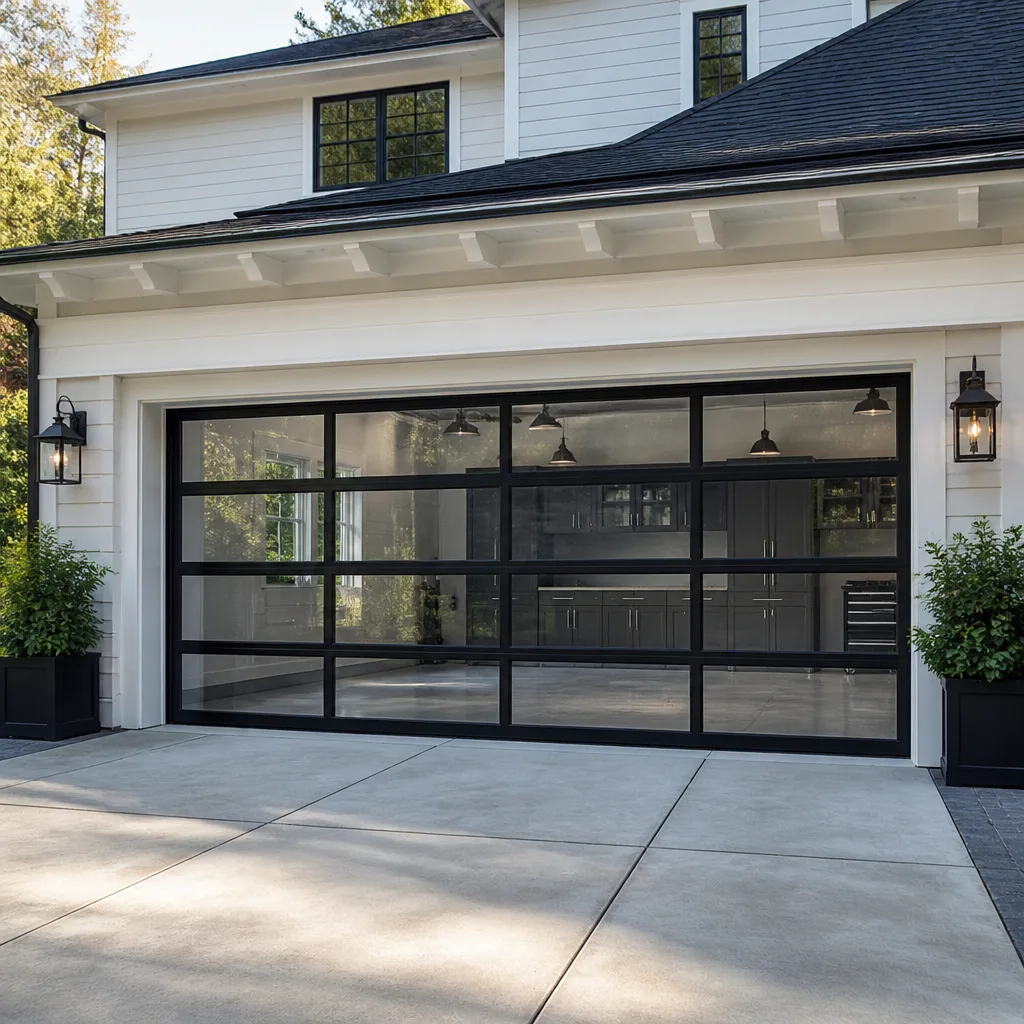 Full-view glass
 LiftMaster openers
 Chamberlain openers
Full 25-point door and opener safety check with every visit - springs, cables, rollers, tracks, and your LiftMaster or Chamberlain opener included
You get a price before we start. It does not change when the pro arrives.
Get your free estimateGarage Door Warning Signs: A Towson Homeowner’s Reference Guide
A garage door that reverses on its own isn’t malfunctioning. It’s doing exactly what it was built to do when it meets resistance. The real question is what it’s meeting, and the answer could be anything from a dusty safety sensor to a torsion spring that’s one cycle away from letting go. Most homeowners in Towson treat a slow, loud, or moody door as a quirk to live with. That’s the gap this guide closes. We’ll map symptoms to causes, separate the cosmetic from the urgent, and give you clear benchmarks for what can wait for a scheduled appointment and what needs same-day attention from a technician who can actually see your system.
Quick Answer
The most common garage door warning signs are unusual noise (grinding, squealing, popping, banging), a door that reverses before closing, visible track or cable damage, and a spring that looks stretched or has a visible gap. Grinding, a cable with broken strands, and any sign of a failing spring call for same-day professional attention because the mechanism is under heavy tension. A squeak or a cosmetic dent can usually wait for a scheduled visit. When in doubt, call a professional before cycling the door again.
Styles & brands we work with
- Raised-panel steel
- Carriage house
- Modern flush
- Full-view glass
- LiftMaster openers
- Chamberlain openers
Table of Contents
- Why Garage Door Warning Signs Matter in Towson
- Mapping Noises to the Component That’s Failing
- Urgent vs. Cosmetic: Which Visual Signs Matter
- The Warning Signs That Precede a Spring Snap
- Opener Warning Signs, from Legacy to Smart Systems
- Why Your Door Reverses or Won’t Close All the Way
- Scheduled Visit vs. Same-Day: Response Time Benchmarks
- How to Document Symptoms Safely Before You Call
Why Garage Door Warning Signs Matter in Towson
A residential garage door is the largest moving object in most homes, and in Towson it cycles more often than in a lot of places. Detached garages and alley-loading doors are common in neighborhoods like West Towson and the historic blocks around Rodgers Forge, and each cycle is a full load on the springs, cables, and opener. Those cycles add up quietly. The system rarely fails without warning; it fails after weeks of small warnings nobody translated.
The climate here works against you in a specific way. Towson’s summers are humid and its winters swing through freeze-thaw cycles. Humidity swells wood door panels and stiffens the grease inside rollers and hinges. Cold snaps make steel components contract and the metal in the track tighten. A door that ran smooth in October can sound like a different machine in February. Those seasonal shifts are also when the small problems they papered over become big ones.
The single most useful habit is to listen to your door. Not casually, but deliberately: stand in the garage and let it run a full open and close. What you hear tells you which part to look at. A grinding roller and a popping spring are two completely different situations with two completely different timelines. Learning to tell them apart is the whole point of this guide, and we’ll walk through the mapping in the next section.
One more thing worth saying up front. This isn’t a manual for fixing the door yourself. Springs, cables, and anything under tension are the most dangerous parts of a garage door, and they injure people who try to adjust them without training every year. The guide is a triage tool: it helps you describe the problem accurately, decide how fast to act, and understand what the technician is going to tell you. That translation is worth real money when you’re deciding whether to schedule a visit at all.
Mapping Noises to the Component That’s Failing
The type of noise your door makes narrows the diagnosis fast. Grinding points to rollers or the opener’s internal gears. Squealing points to dry or worn metal on metal. Popping can mean a torsion spring slipping or a panel binding in the track. Banging is the sharpest signal: it usually means a cable has come loose or a torsion component is failing. Use this as your first filter.
- Grinding: worn steel rollers, metal shavings in a dry track, or the opener’s chain or gear set grinding inside the housing. If the noise comes from the ceiling unit, it’s the opener. If it comes from the door’s edges, it’s the rollers or the track.
- Squealing: metal sliding against metal with no lubrication, usually the hinges, rollers, or the torsion shaft. Often the cheapest fix on the whole list, but it accelerates wear if ignored.
- Popping: a torsion spring that’s slipping a coil, or a section of the door catching on a bent track. Popping is a warning to stop using the door and have it looked at, not a noise to live with.
- Banging: the most urgent sound. A cable out of its drum, a section coming apart, or a torsion component failing. Stop cycling the door and call for same-day service.
- Rattling: loose bolts, a panel joint that’s worked loose, or the opener’s rail vibrating. Usually minor, but rattles wear into bigger problems.
- Run the door a full cycle with the garage empty and the room quiet enough to listen.
- Note whether the noise starts on opening, on closing, or runs through the whole cycle.
- Trace the noise to its source: the door edges, the ceiling opener unit, or the torsion shaft above the door.
- Match the noise to the descriptions above and use that to decide your timeline.
- If the noise is popping, banging, or followed by the door stopping mid-cycle, stop and call before cycling it again.
If your door is already making one of these noises and you’re not sure whether it can wait, a garage door repair visit starts with a free estimate and an honest triage. You don’t need to know the name of the failing part. You just need to describe what you hear and when you hear it, and a trained technician takes it from there.
Urgent vs. Cosmetic: Which Visual Signs Matter
A bent track and a cosmetic dent can look equally dramatic from the driveway, but only one of them is a hazard. The rule: if damage changes how the door moves or the tension in the system, treat it as urgent. If it’s a dent or scuff on a panel that doesn’t change movement, it can wait for a cosmetic repair.
- Track damage: a track bent out of alignment is urgent. The door’s rollers ride on the track, and a misaligned track puts uneven load on the opener and springs. You’ll often see a gap between the roller and the track edge, or hear the door catch on one side.
- Cable damage: urgent. Look for a cable with unraveling strands, a visibly slack cable on one side, or a cable hanging free from the drum. A failing cable can whip loose; stop using the door immediately.
- Spring condition: urgent if there’s a visible gap in a torsion spring or the spring looks stretched and sagging. We’ll cover the specific signs of a spring about to snap in the next section.
- Panel damage: cosmetic if the dent doesn’t break the seal or affect movement. A broken panel with a crack that opens the garage to weather is a different matter; it needs repair to protect the interior, but it’s not a mechanical hazard.
- Panel gaps and daylight: if you can see light through the closed door, the seal or the door’s balance is off. Not always urgent, but worth a professional look before it gets worse.
- Loose hardware: hinge and bracket bolts loosening is minor at first but allows the panel to shift. A technician can tighten and inspect on a scheduled visit.
Winter is when visual damage gets easier to spot here. Freeze-thaw swings shift the soil and the foundation, and a door whose track was slightly out of plumb in fall can begin binding by January. Walk out and look at your track and cables once a season, and you’ll catch the urgent signs before they become failures. In our experience, the doors that fail dramatically were showing one of these signs for a month or more.
The Warning Signs That Precede a Spring Snap
A spring snap is the highest-risk failure event on a residential garage door, and the signs are usually visible for weeks. The door may open unevenly, sag on one side, or feel unusually heavy. The spring itself may show a visible gap, a stretched coil, or a worn end where the hook has shifted. If you see or feel any of these, stop using the door and call for spring-specific attention.
Springs fail under tension. That’s the part that makes them dangerous: the energy stored in a torsion or extension spring is enough to cause serious injury, and it’s released instantly when the spring breaks. A trained technician is the only person who should touch them, and there’s no safe adjustment a homeowner can make. What you can do is recognize the signs and get the door out of service before the snap happens.
What to look for:
- Uneven opening: the door rises crooked, or one side lifts before the other. This often means one of a pair of springs is losing tension.
- A door that feels heavy: if you can lift the door a few inches by hand and it doesn’t stay put, the springs are no longer carrying the door’s weight. Don’t force it. Close it and stop.
- An audible bang followed by a door that won’t open: this is usually a spring that has already broken. Leave it closed and call for same-day service.
- Visible gap in a torsion spring: a coil with a gap is a spring that’s about to break at that point. Stop using the door.
- Stretched or sagging extension springs: common on older doors. Extension springs also benefit from safety containment; ask a technician to check they’re properly restrained.
- Rust and flaking: rust at the spring’s coils weakens the metal. Given the humidity here, springs on doors without good ventilation are at higher risk.
When two springs run a door together, they’re usually a matched pair replaced at the same time. That’s why a spring replacement is often quoted as a pair, not a single spring, and why the estimate reflects both. A dedicated garage door spring repair service is the right call, not a general handyman, and it’s a core service we handle for Towson homeowners.
What a spring repair typically costs in Towson
Spring work in the Towson area usually runs in the range a homeowner expects for a real spring replacement with a proper technician: a single-torsion spring replacement typically lands in the $180 to $340 range, depending on the door’s weight and spring size. A matched pair is usually replaced together and costs about twice the single-spring price. The written estimate you get on-site sets the final price, and it’s agreed before any work starts.
Opener Warning Signs, from Legacy to Smart Systems
An opener that’s failing announces itself with slower travel, erratic response, or a motor that hums without moving the door. Those signs usually mean the capacitor, the gear set, or the travel limits are going, and they get worse in cold weather. Modern smart openers add new failure modes: dropped Wi-Fi, app status that disagrees with the door’s actual position, and firmware quirks.
Legacy openers have their own patterns. A chain-drive unit that starts grinding is often the internal gear set wearing, and a screw-drive that cycles unevenly is often a worn carriage. Belt drives run quieter but can slip when the belt wears. The brand matters here because the failure patterns differ by design. We work on the range of systems Towson homeowners actually have, so a LiftMaster, a Chamberlain, a Genie, or a Craftsman unit all get the same brand-specific attention rather than a generic guess. If you have a Raynor opener, we cover that too.
On the smart side, the most common complaints look like electrical problems but aren’t:
- App says closed, door is open: the position sensor or the connection has drifted. Often a calibration or re-pair, not a new opener.
- Dropped Wi-Fi: the opener’s network module has lost its connection. Check the router first; if the door still won’t respond from the app after that, call for a look.
- Random opening: this should always be investigated. On a modern opener it can be a logic board or a signal issue, and on any opener it’s a safety concern worth prioritizing.
- Battery backup alarms: some openers chirp when the battery backup is failing. The beep is doing its job; replace the battery and re-test the door.
One caution on the audio clue. If you hear a hum from the ceiling unit and the door doesn’t move, stop cycling it. A humming motor with a stuck door can overload the opener or stress a spring that’s already compromised. Call for garage door opener repair and let a technician isolate whether it’s the opener or the door side of the system.
Why Your Door Reverses or Won’t Close All the Way
A door that reverses before closing is usually detecting resistance at the safety sensors or the door’s bottom edge. The sensors are the first thing to check: a dirty lens, a knocked-out alignment, or a spider in the beam can cause it. If the sensors are clean and aligned and the door still reverses, the cause is more likely the door’s balance or a failing spring, and it needs a professional look.
The reversing behavior itself is the safety system doing its job. The door has a built-in force limit, and it reverses when it meets more resistance than it should. So the question isn’t why the door reversed; it’s what resistance it felt. The answers range, in roughly the order you’d check them:
- Dirty or misaligned safety sensors: wipe the lenses, check that the indicator lights on both sensors are solid, and confirm nothing is blocking the beam. This resolves a large share of reversing complaints.
- Something in the door’s path: an object, a swollen seal, or a shifted threshold can trigger the reversal. Check the bottom edge for anything the door is meeting too soon.
- Travel limit settings: if the door reverses a few inches before the floor, the close limit may be set too high. A technician adjusts this quickly.
- Binding or track problem: if the door catches on one side as it closes, the force limit trips. This often goes with a grinding or popping noise.
- A spring that’s lost tension: a door can’t close properly if its springs aren’t balanced. This is the most serious cause on the list and the one to rule out before you keep cycling the door.
Here’s the part most guides skip. A door that only reverses sometimes is telling you the resistance is intermittent, which often means a seasonal adjustment: humid air swelling a wood panel in July, or a metal track tightening in January. Towson’s swings between wet summers and cold snaps make intermittent reversing common. If it happens once and the sensors were dirty, clean them. If it’s happening repeatedly, get a diagnosis before the resistance does damage.
Scheduled Visit vs. Same-Day: Response Time Benchmarks
Same-day service is for anything that’s a safety or security problem right now. A door stuck open, a spring that’s already snapped, a cable hanging loose, or a door that won’t close at all all qualify. Symptoms that are inconvenient but stable, like a squeak, a slow opener, or a cosmetic dent, can wait for a scheduled appointment.
The simplest way to triage is to ask three questions in this order:
- Is the door a security risk right now? If it’s stuck open or won’t secure the house, that’s same-day. The garage is the most common entry point in a home, and an open door is an open invitation.
- Is there movement or tension that looks wrong? A popping spring, a slack cable, a bent track the door is riding on, or a door that’s sagging to one side are all same-day. Stop using the door and call.
- Is the problem stable and just annoying? A squeak, a rattle, a cosmetic dent, or a slow opener that still works can be scheduled. Book it in the near term so it doesn’t become a same-day problem.
Emergency garage door repair exists as a real service line for the first two questions, not as a marketing add-on. When the door won’t move, or won’t stay closed, we get a technician moving on the diagnosis rather than talking about scheduling. Same-day service is the goal for the urgent category, and for the scheduled category the goal is a free estimate and a written price before any work starts. Either way, the price is agreed in writing before the work begins, so an invoice surprise isn’t part of the deal.
If you’re not sure which category you’re in, that’s a reason to call and describe the symptoms rather than to wait. A quick phone conversation sorts it out. The questions above are the same ones we ask.
How to Document Symptoms Safely Before You Call
Recording a short video of the door’s behavior speeds diagnosis and protects you from unnecessary upsells. Film the door from a safe standing distance, capture the noise and the movement, and note when it happens. Ten seconds of clear footage tells a technician more than a paragraph of description.
The safety rules for recording come first. Never put your hands, a camera, or a phone anywhere near the door’s moving parts, the springs, or the cables. Never stand under the door as it moves. Never hold the camera in the door’s path or reach into the track. Film from the side or from several feet back, with the door moving slowly or not at all, and use the phone’s zoom rather than stepping closer.
What to capture, in order:
- The full cycle: film one complete open and one complete close from a safe distance. Note where in the cycle the problem shows up.
- The noise: get close enough for the phone’s microphone to pick up the sound, but keep the camera outside the door’s path. Grinding vs. squealing vs. popping all sound distinct, and the difference changes the diagnosis.
- The springs and cables from a distance: a photo of the torsion spring above the door or the extension springs along the sides lets a technician pre-identify the likely failure. Don’t touch them to get a better angle.
- The sensors: a photo of the sensor pair at the base of the door shows alignment and condition at a glance.
- The model plate or label: the opener’s brand and model number, and the door’s brand if it’s visible, tell the technician what parts and manuals to expect. Have it ready when you call.
- Your notes: when the symptom started, whether it’s intermittent or constant, and whether it changes with the weather. Winter symptoms are worth mentioning in Towson.
Having the brand and the video ready means the first call is productive. If the opener is a LiftMaster or a Chamberlain, the technician knows the likely failure points before arrival. If it’s a door from one of the major manufacturers, the same applies to the springs and hardware. No guesswork on your system is the goal, and your notes are the starting point.
Common Mistakes to Avoid
- Living with a popping or banging noise. These are the sounds of a mechanism failing under load, not normal operation. Waiting for the door to stop working means waiting for a spring to snap or a cable to fail, which is the expensive version of a repair you could have scheduled.
- Greasing the springs themselves. Grease belongs on rollers, hinges, and tracks, not on a torsion spring. Lubricating a failing spring can dampen the warning signs and mask the problem until it fails.
- Adjusting the springs yourself. Torsion and extension springs store enough energy to injure you badly. There’s no safe homeowner adjustment, and the risk isn’t worth a saved service call.
- Assuming a reversing door is the opener’s fault. The reversing behavior is usually the safety system detecting resistance. Replacing the opener doesn’t fix a door that’s binding or a spring that’s lost tension.
- Forcing a stuck door with the manual release when the spring is broken. A door with a snapped spring is very heavy. Pulling the release and lifting it can let the door drop. Leave it closed and call.
- Waiting out a slow opener. A door that’s gotten noticeably slower is telling you the motor is working harder. That points to a worn part or a balance problem, and scheduling a visit before it fails is the cheaper move.
- Ignoring winter changes. A door that binds in January that didn’t in October isn’t “just the cold.” It’s a track, spring, or balance issue that the cold exposed. Have it checked before the next free-thaw swing makes it worse.
See the difference
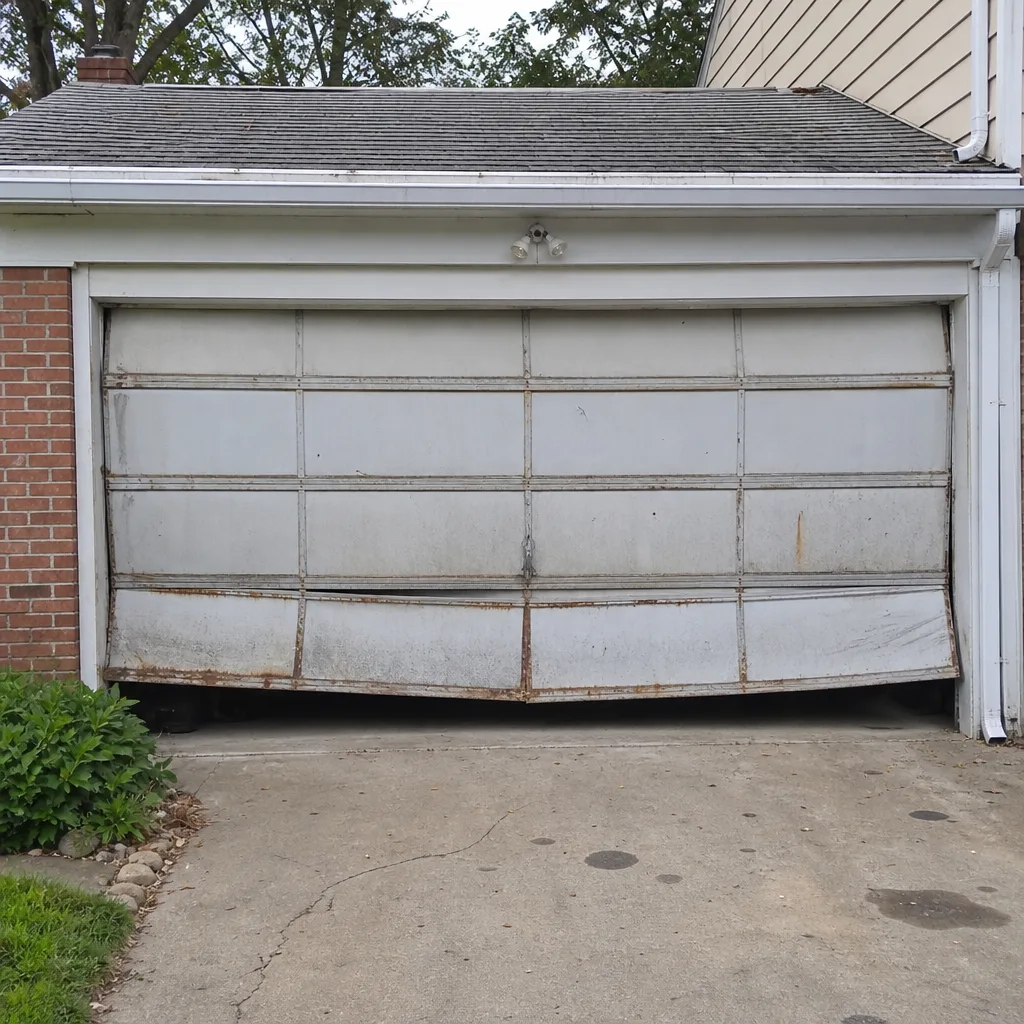 Before
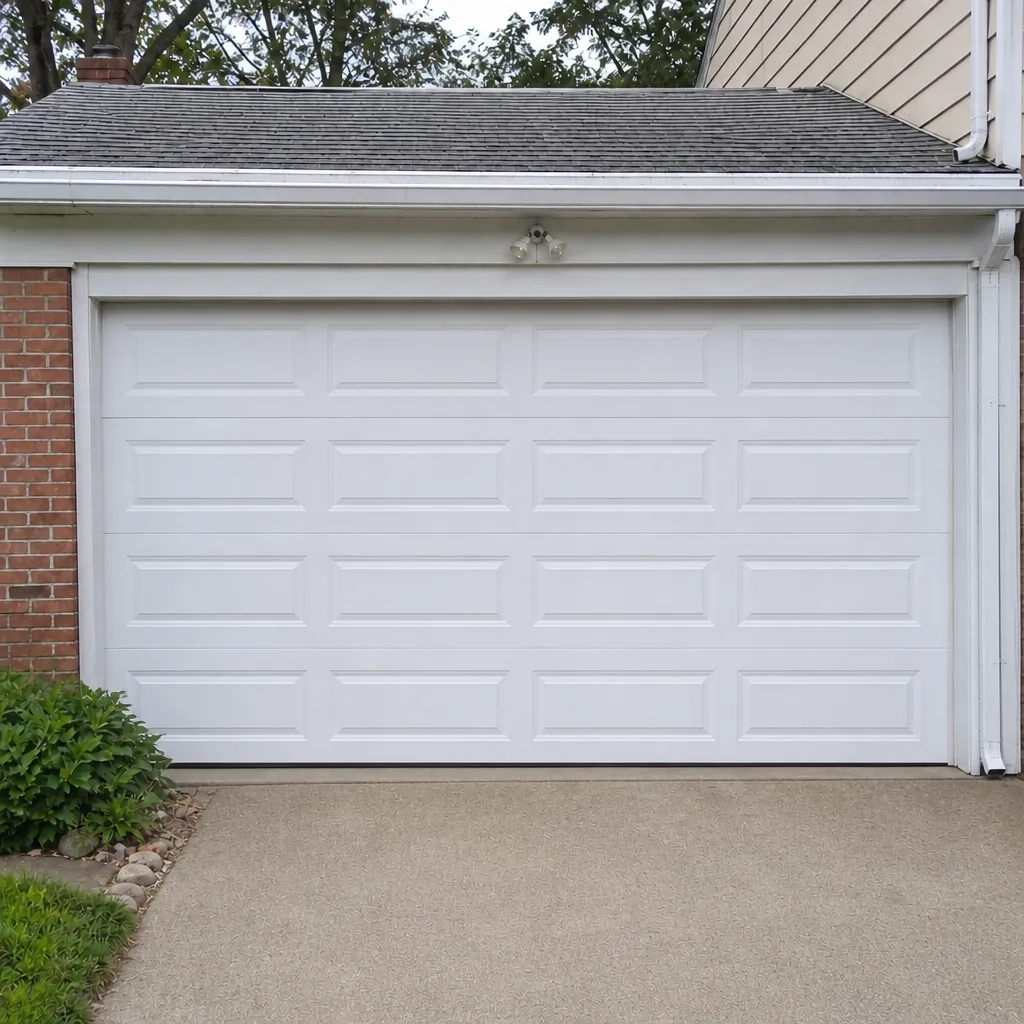 After
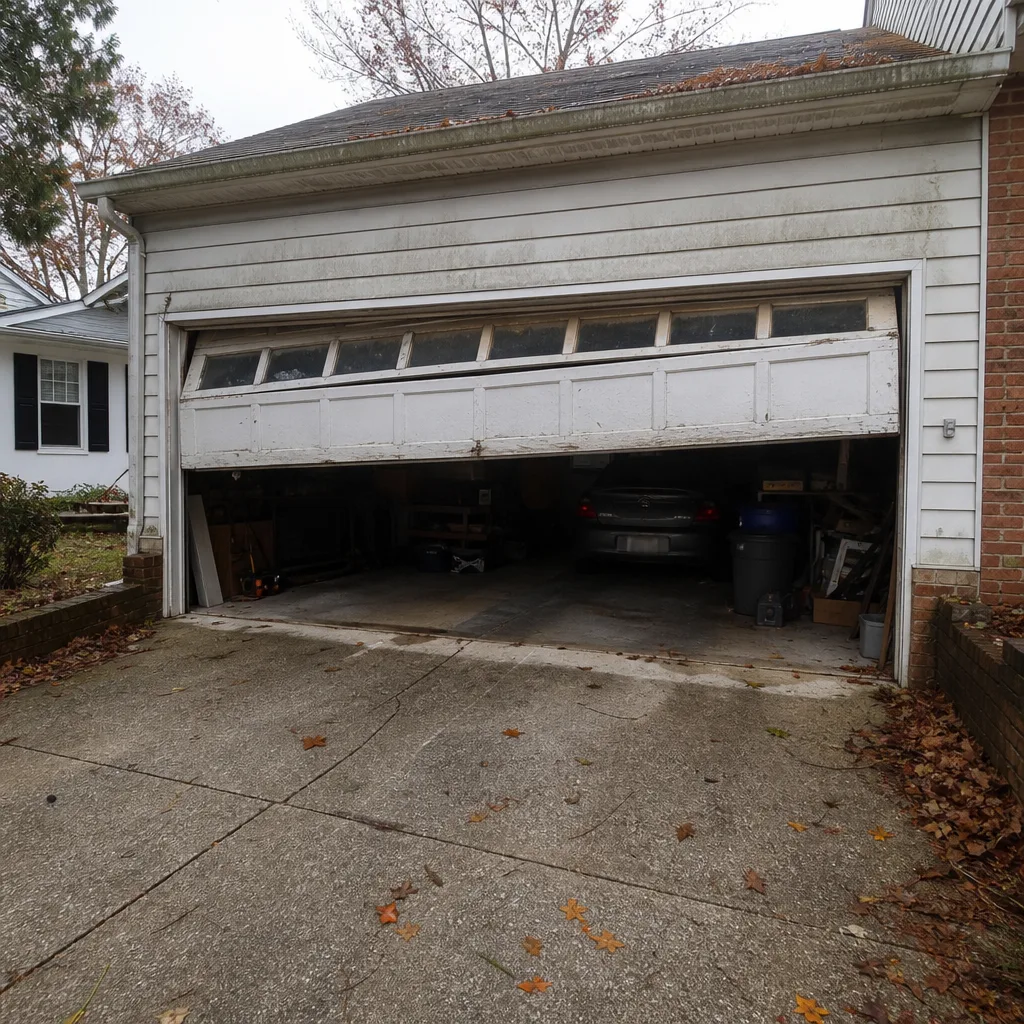 Before
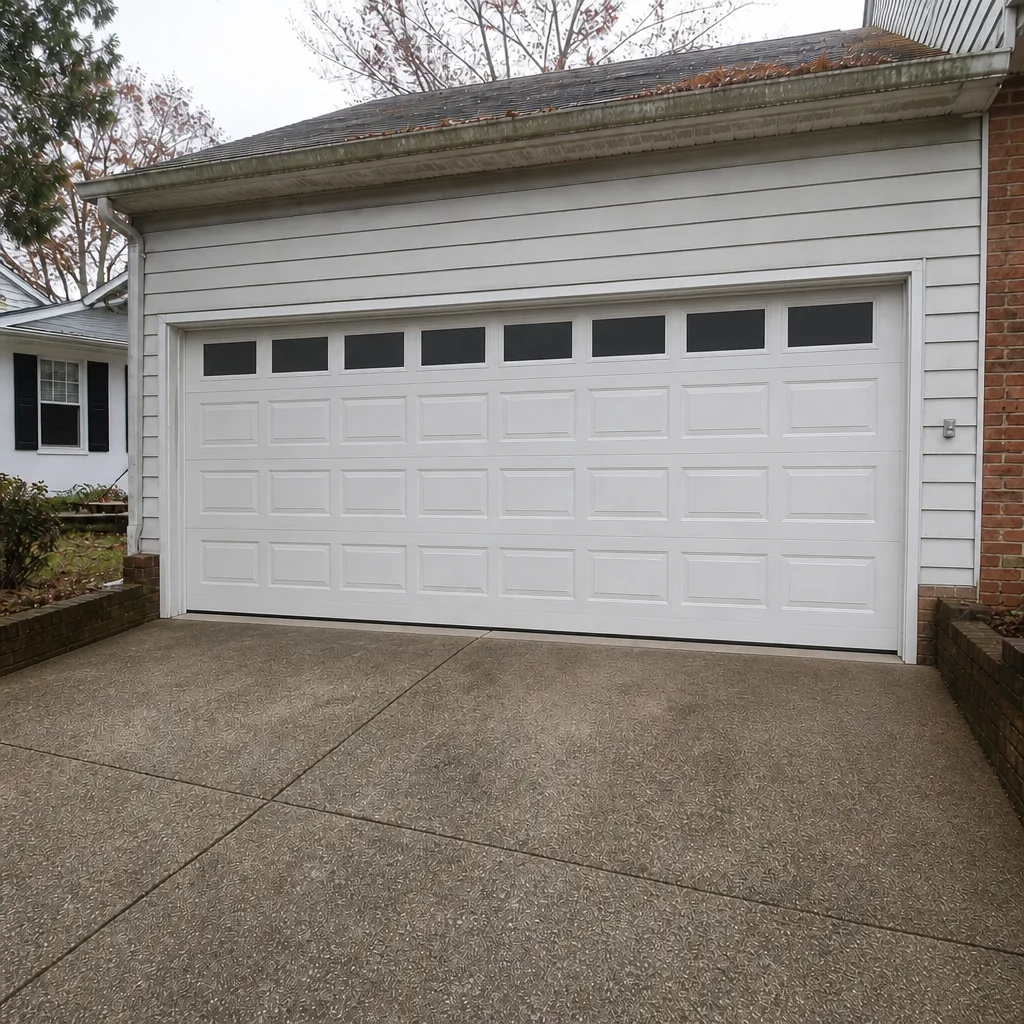 After
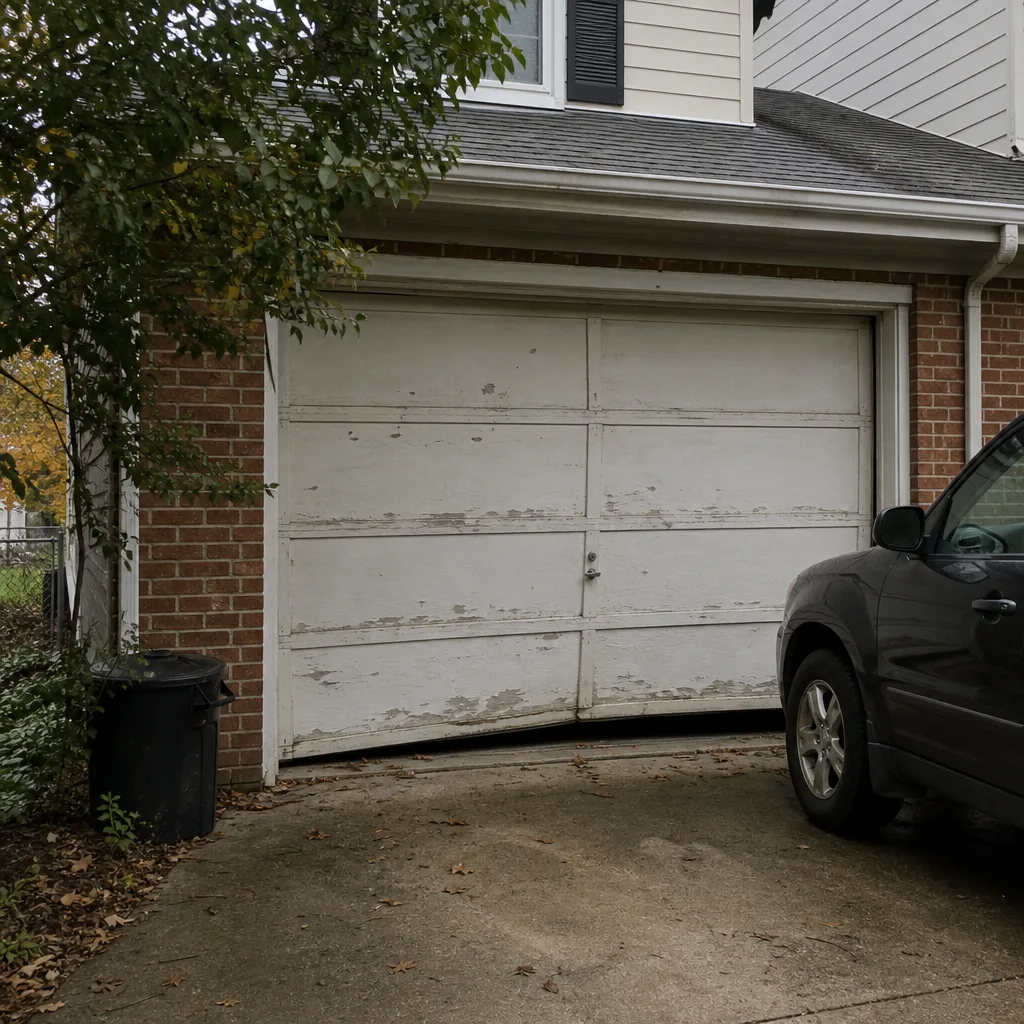 Before
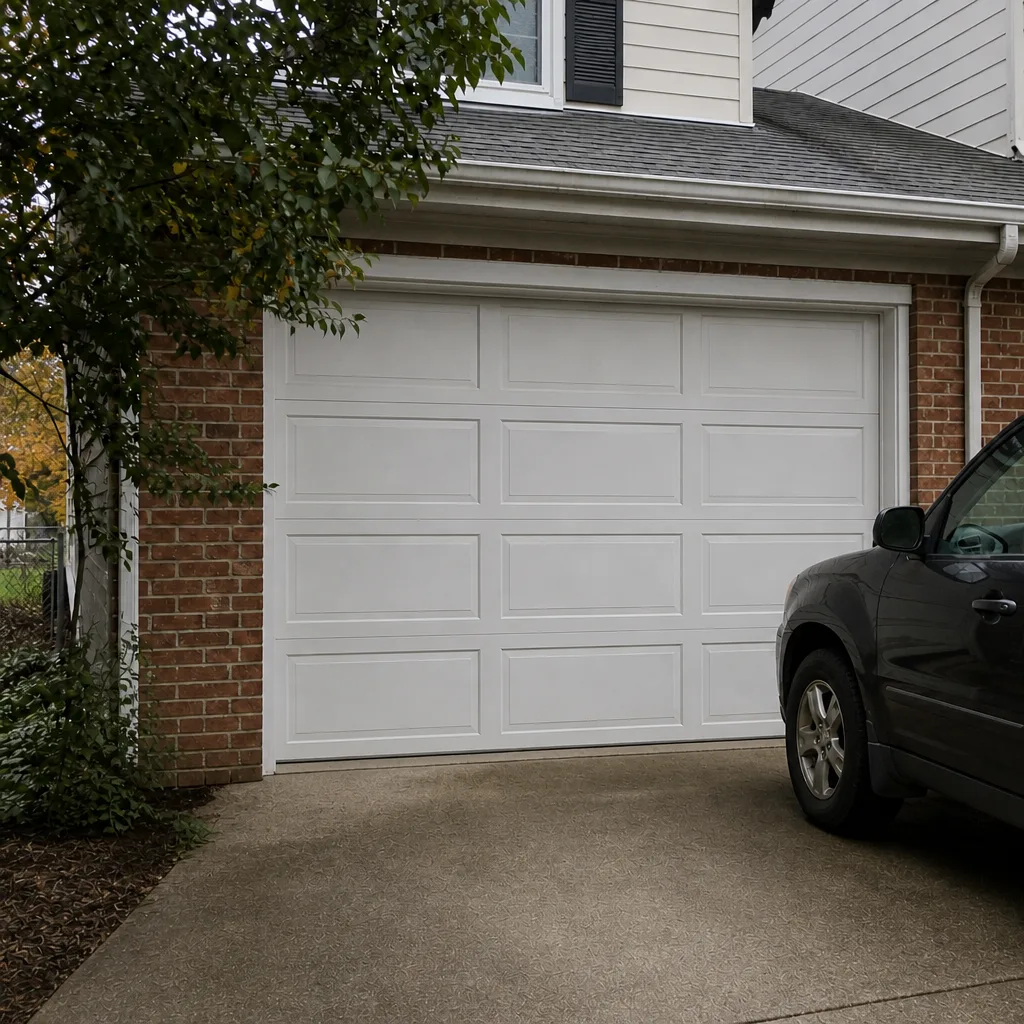 After
When to Call a Professional
Call a professional any time the door’s movement or tension looks wrong: a spring with a visible gap, a cable with broken strands, a track the door is catching on, a door that sags to one side, or a door that reverses repeatedly even after you’ve cleaned the sensors. Those symptoms involve parts under real tension, and a trained technician with proper tools is the only safe way to fix them. The same goes for a door that won’t secure the house, which is a same-day call. If you’re in any doubt about whether a symptom is urgent, call and describe it. Towson Garage Door Repair Pros offers free estimates in Towson, and our technicians have up to 13 years of experience with the brands you actually have. Call (844) 931-3676.
Frequently Asked Questions
A visible gap in the coil, a door that opens crooked, or a door that suddenly feels heavy to lift by hand. Springs usually show signs before they snap, which is why the door getting harder to open is worth acting on right away. Stop using the door and call for a spring assessment.
A single torsion spring replacement in the Towson area typically runs $180 to $340, and a matched pair is usually replaced together at about twice that. The estimate is written and agreed before any work starts. Call (844) 931-3676 for an exact quote; estimates are free.
Yes. A door stuck open is a security problem and qualifies for same-day service. Describe the situation when you call and we’ll get a technician moving on the diagnosis. With our emergency garage door service, when the door won’t move, we do.
No. The written estimate you receive is the price, and it’s agreed before any work starts. If a technician finds something different from what the symptoms suggested, they explain it and give you a new estimate before touching anything.
The local professional we connect you with is licensed and insured as the state of Maryland requires. Our technicians have up to 13 years of experience, and we work on the major brands including LiftMaster, Chamberlain, Genie, Craftsman, Clopay, Amarr, Wayne Dalton, and Raynor.
Usually not. A squeal is metal on metal and often just needs lubrication on the hinges and rollers. It’s worth a scheduled visit, though, because a squeak that’s ignored wears the parts faster. If it’s a popping or grinding sound instead, treat it as urgent and call.
The Bottom Line
A garage door’s warnings are specific and learnable. Noise type points to the failing component. Visual signs split cleanly into urgent and cosmetic based on whether they change how the door moves. Reversing behavior is almost always the safety system responding to resistance, not the opener failing. The spring signs deserve the most respect, because a spring snap is the one failure with real injury risk, and it announces itself before it happens. If you’re in Towson and your door is telling you something, the fastest way to know what it means is a free estimate. Call (844) 931-3676, and call a technician who can translate the symptom, not just replace the part. Springs, openers, panels, full doors, one call covers it. For a broader look at everything we handle, start with Towson Garage Door Repair Pros.
Written by the team at Towson Garage Door Repair Pros.